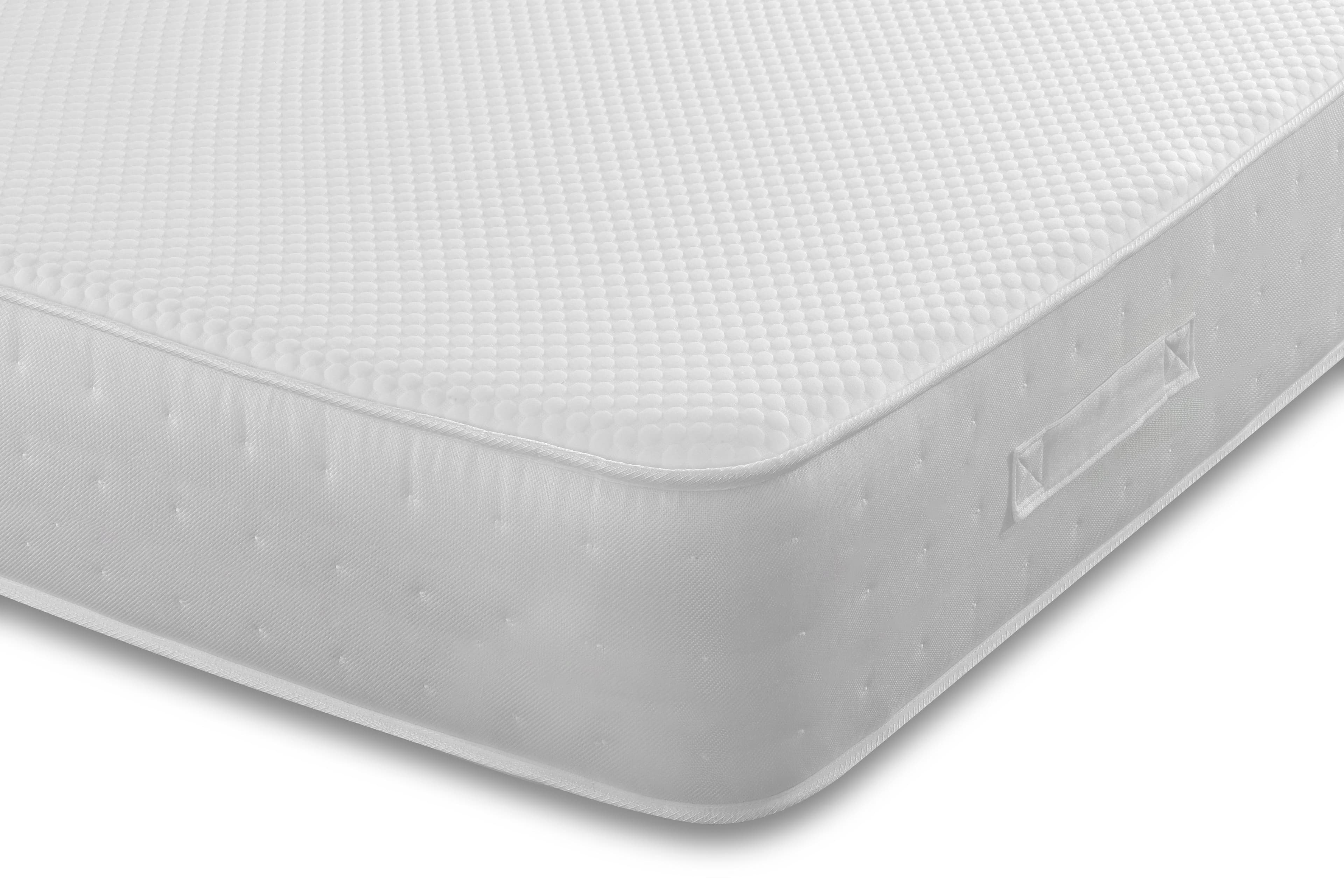
What memory foam does well#
Memory foam (viscoelastic foam) softens with body heat and moulds to your shape, spreading your weight and cradling pressure points at the shoulders and hips. That body-contouring is why side sleepers and pressure-pain sufferers often love it, and why all-foam mattresses are the most affordable route to genuine comfort, frequently under £200 in the UK.
The genuine drawbacks (and what's overblown)#
- Heat retention (real): dense foam restricts airflow and traps body heat. Material choice measurably changes the temperature at the body–mattress interface,1 so warm sleepers should choose open-cell or gel-infused foam, or read our cooling mattress guide.
- Slow response (real): the "stuck in the foam" feeling makes moving and combination sleeping harder. Latex or hybrid respond faster.
- Off-gassing (overblown): the new-foam smell is the release of volatile organic compounds. An indoor-air study of new memory-foam mattresses measured concentrations well below health benchmarks, fading over the first weeks.2 Air it for a day or two and it passes.
- Edge support (real): foam edges collapse more than springs, reducing usable surface.
Who memory foam suits#
Best for: side sleepers, lighter-to-average builds, anyone with pressure pain, couples wanting motion isolation, and budget buyers. Less ideal for: hot sleepers, heavier sleepers needing more support, and those who shift position a lot, who tend to prefer a hybrid. For a deeper look, see our memory foam pros and cons explainer.
How to choose a good one#
- Density: higher-density foam lasts longer but sleeps warmer, balance with an open-cell or gel layer.
- A breathable cover and a supportive base improve airflow.
- Medium feel suits most; firmer foam for heavier or back/stomach sleepers.
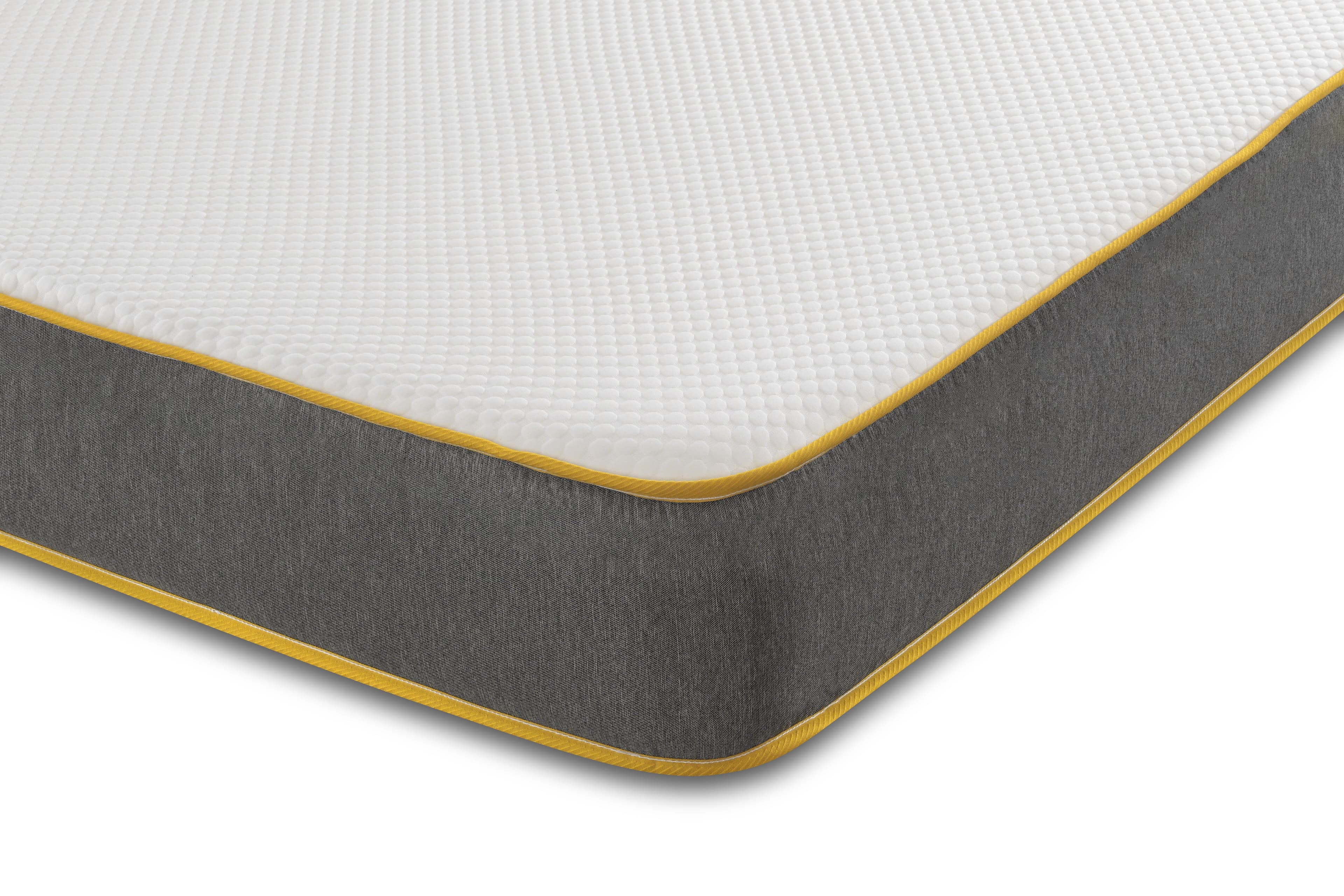
Good UK value: The Foam People build made-to-order all-foam and memory-foam mattresses from around £109, while Emma's foam range adds breathable open-cell layers.
The best memory foam mattresses we have scored#
Memory foam is the most price-stretched category in the UK: our catalogue runs from £109 to £679 in all-foam mattresses, and the differences are real. These are the foam models we have scored, ranked by overall score. The live list is on our best memory foam mattress page.
| Mattress | Best for | Firmness | Depth | Our score | Price (double) |
|---|---|---|---|---|---|
| Emma NextGen Premium Plus | Best premium foam / couples | Medium | 27cm | 8.9 | £679 |
| Emma Original | Best memory foam overall | Medium | 25cm | 8.8 | £469 |
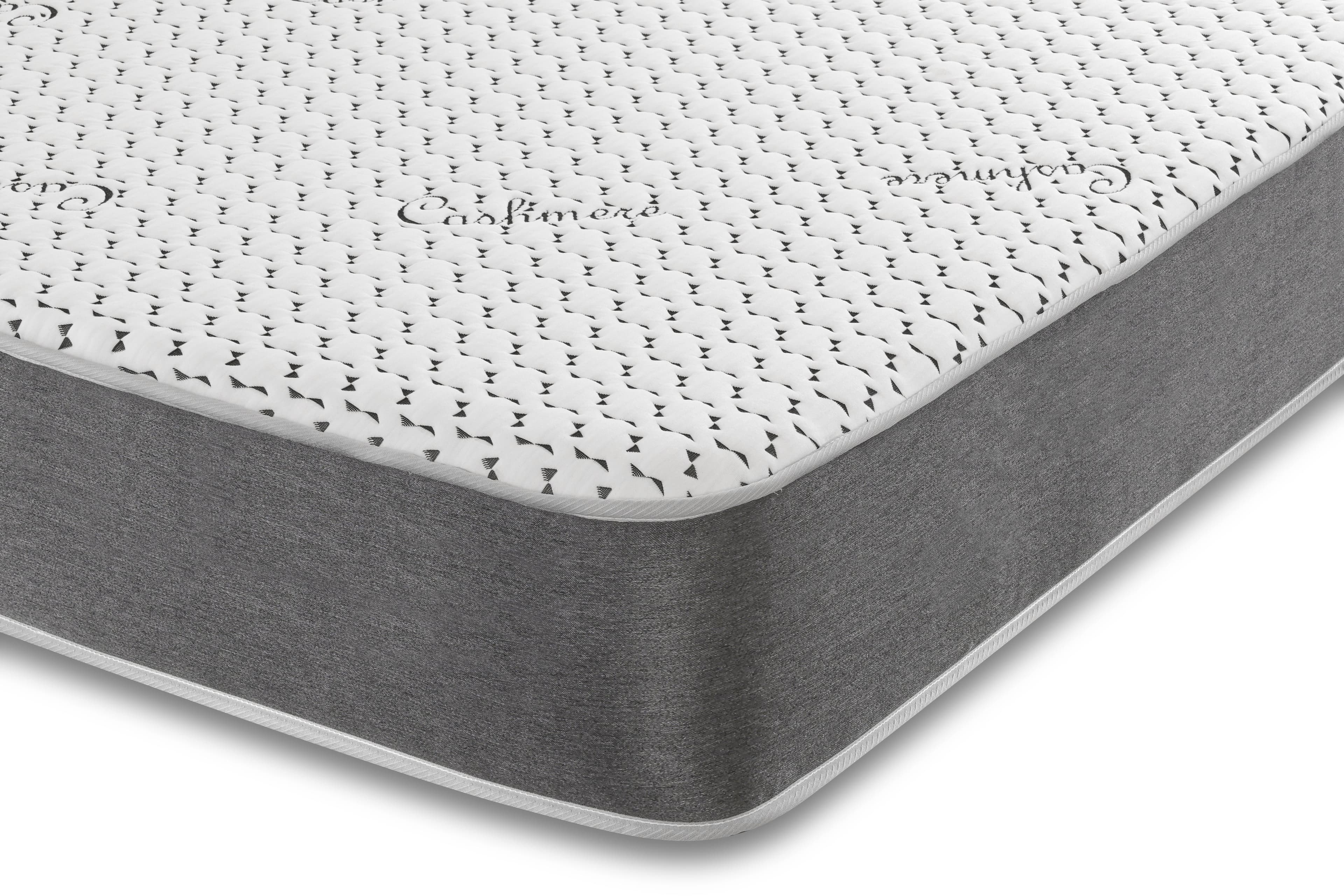
| Superior Cashmere | Best budget comfort | Medium | 23cm | 8.5 | £198 |
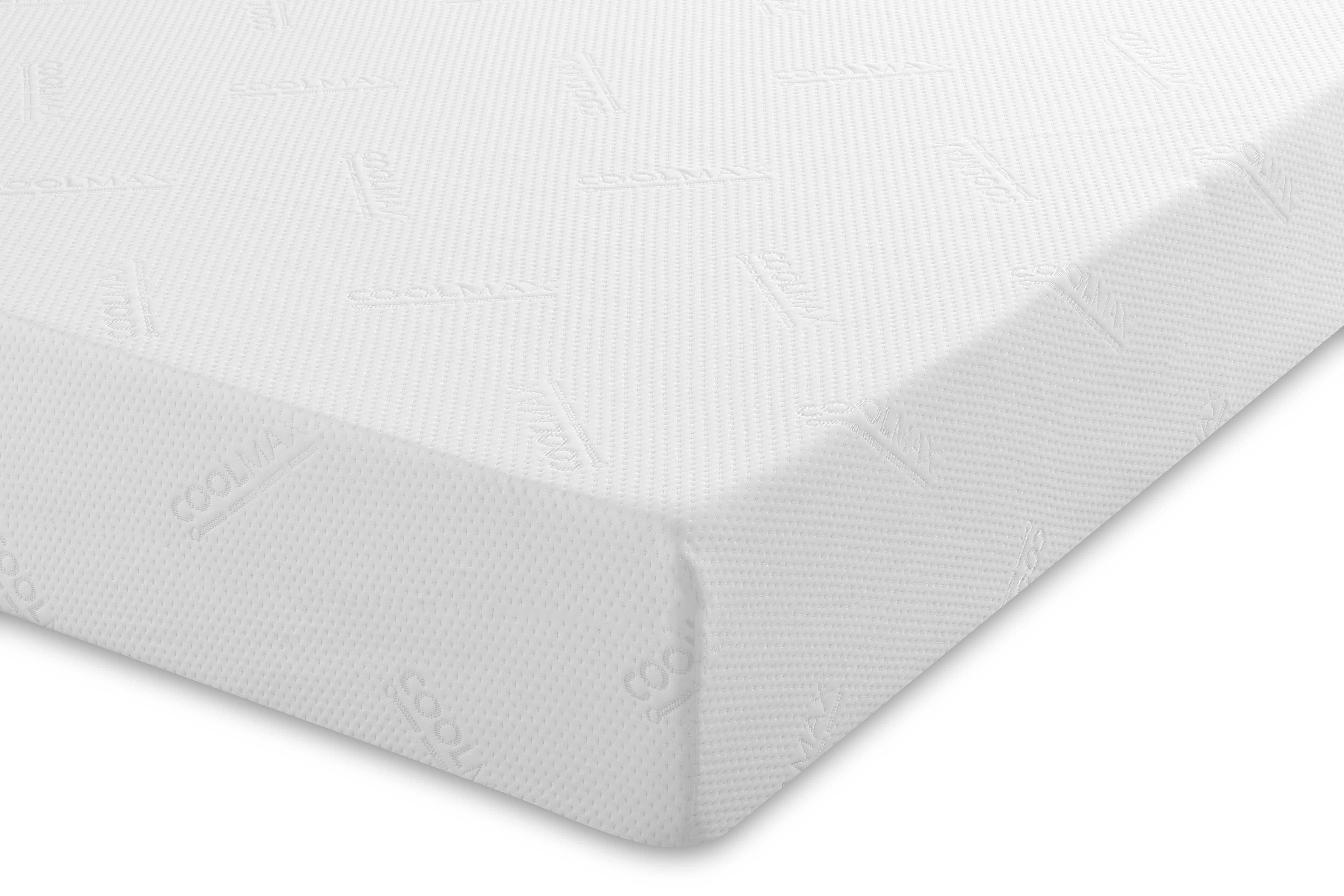
| Comfort CoolMax Intelligent | Budget for hot sleepers | Medium | 20cm | 8.5 | £192 |
| Comfort Ortho Firm | Best firm foam | Firm | 20cm | 8.4 | £157 |
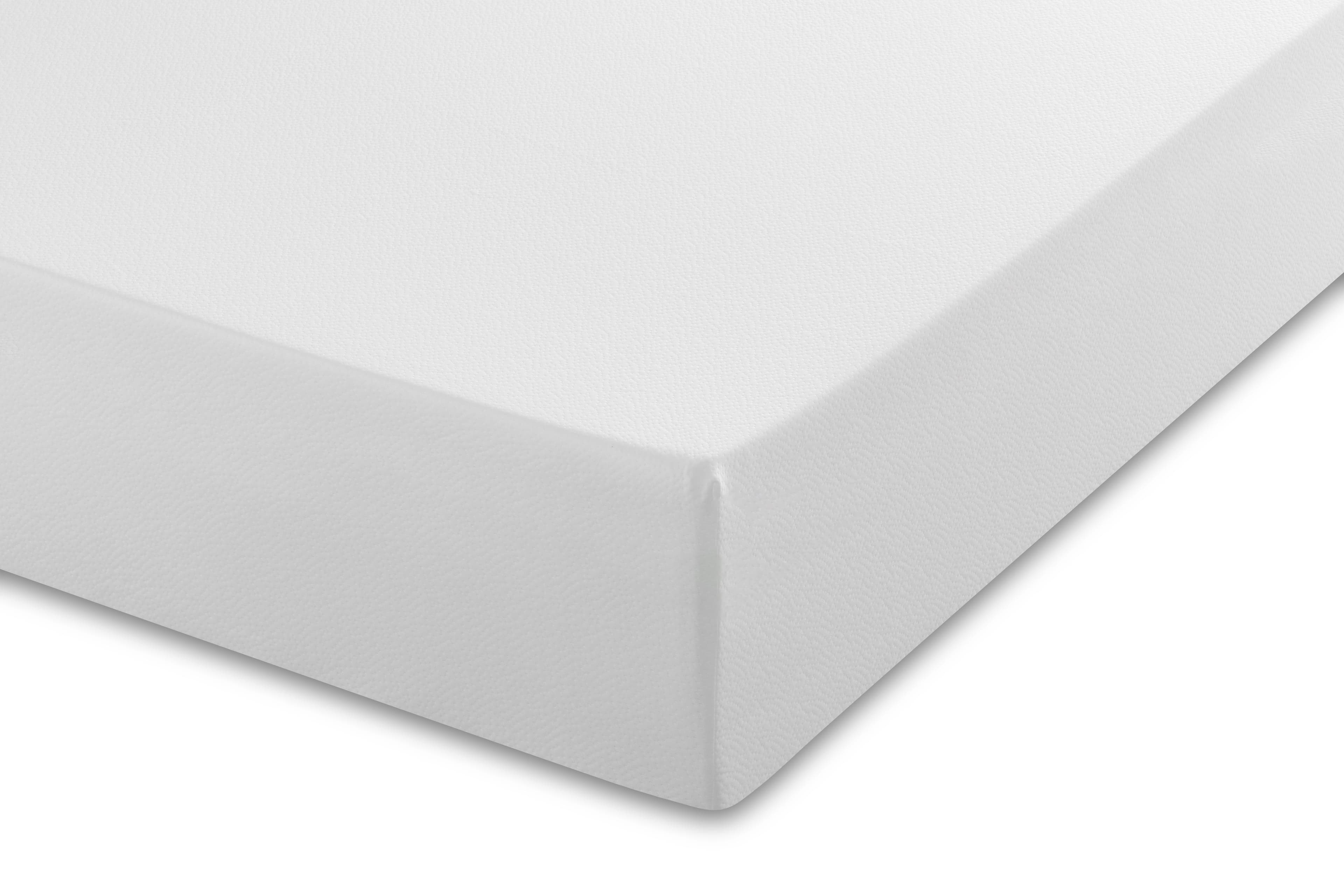
| Westwood Memory Foam | Cheapest | Medium | 18cm | 8.4 | £109 |
| Emma Original Lite | Cheapest with a 200-night trial | Medium | 20cm | 8.3 | £246 |
Prices are for a double at the time of writing (September 2026), using the sale price where the brand runs a permanent one. Live prices and full scores are on each review page. We may earn a commission if you buy through our links, at no extra cost to you; it never affects a score.
Best memory foam overall: Emma Original#
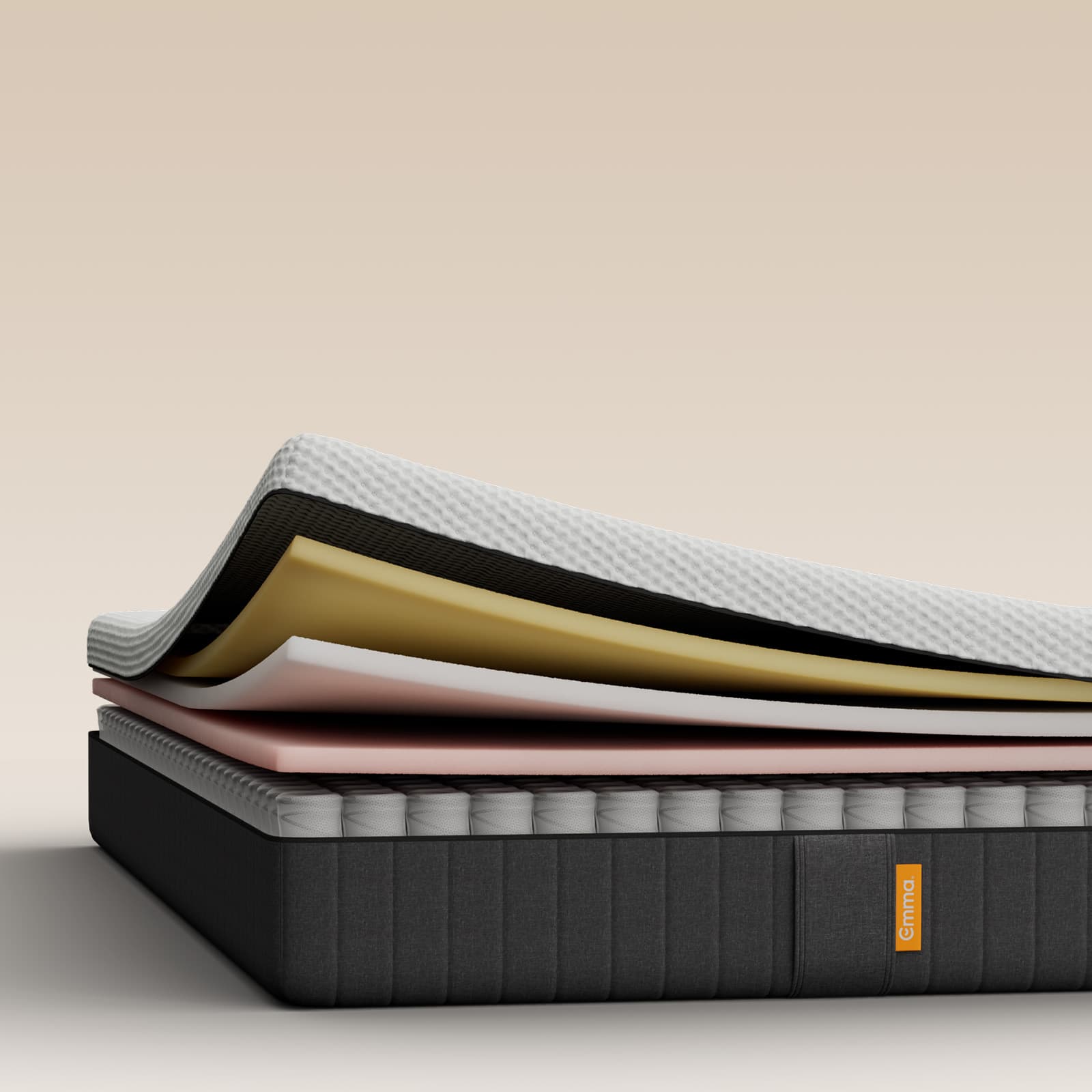
The Emma Original is the mattress that fixes most of the drawbacks listed above. An open-cell Airgocell layer sits over the memory foam, so it breathes and recovers faster than classic dense foam, and the HRX base foam keeps it from feeling bottomless. Comfort 8.9, value 9.2, 200-night trial, 10-year warranty. It is our default recommendation for anyone who wants foam without having thought hard about which foam.
Best premium foam: Emma NextGen Premium Plus#
The NextGen Premium Plus adds graphite-infused foam (for heat) and a deeper 27cm build to the Original's formula, and it shows in the scores: 9.0 support and 9.1 comfort, the best-balanced all-foam mattress we list. It is our couples' pick because motion isolation is where foam beats springs, and the extra depth stops a heavier partner bottoming out.
Best budget picks: The Foam People#
Made-to-order all-foam mattresses from The Foam People account for our cheapest scores. The Superior Cashmere (£198, 23cm, cashmere-blend cover) is the pick for comfort; the Comfort CoolMax Intelligent (£192) for hot sleepers; the Westwood at £109 is the cheapest mattress we have ever scored above 8. The trade-off is real: a 5-year rather than 10-year warranty, and no home trial, so buy these when you already know you like memory foam.
Depth and density: what the numbers actually tell you#
Two specifications predict how a memory foam mattress will feel and last, and neither is the firmness label.
- Overall depth. Below about 20cm there is not enough base foam under the memory foam for an adult to avoid feeling the base on a bad night. 20 to 23cm is fine for lighter sleepers and children; 25cm and above is the sensible floor for heavier adults and couples. Every foam mattress in our table above is 18 to 27cm; the depth column is the first thing to check against your weight.
- Foam density (kg/m³) is the number brands least like to publish, and the one that most predicts sagging.3 If a brand will not tell you the density of its comfort layer, treat that as information. Higher density lasts longer and sleeps warmer, which is why the good modern foams pair a dense base with an open-cell or graphite top.
The right base for memory foam#
More memory foam complaints come from the base than the mattress. Foam needs continuous, even support: a solid platform, a divan, or slats no more than about 7cm apart. Wide-gapped slats let the foam sag between them, which changes the feel and can void the warranty. An old sprung divan with a dip in it will transfer that dip straight through a foam mattress within weeks. If you are replacing a mattress because it sagged, check the base before you blame the mattress.
References#
- Li X, Zhou B, Wu Z, et al. Exploring the effect of mattress cushion materials on human–mattress interface temperatures, pre-sleep thermal state and sleep quality. Indoor and Built Environment. 2021;30(5):650–667. doi:10.1177/1420326X20903375
- Beckett EM, Miller E, Russman E, Pierce JS, Unice K. Evaluation of volatile organic compound (VOC) emissions from memory foam mattresses and potential implications for consumer health risk. Chemosphere. 2022;303:134945. doi:10.1016/j.chemosphere.2022.134945
- Vlaović Z, Klarić N, Domljan D. Investigating the Impact of Long-Term Use on Mattress Firmness and Sleep Quality: Preliminary Results. Applied Sciences. 2024;14(21):10016. doi:10.3390/app142110016
- Caggiari G, Talesa GR, Toro G, Jannelli E, Monteleone G, Puddu L. What type of mattress should be chosen to avoid back pain and improve sleep quality? Review of the literature. Journal of Orthopaedics and Traumatology. 2021;22:51. doi:10.1186/s10195-021-00616-5