What makes memory foam unique#
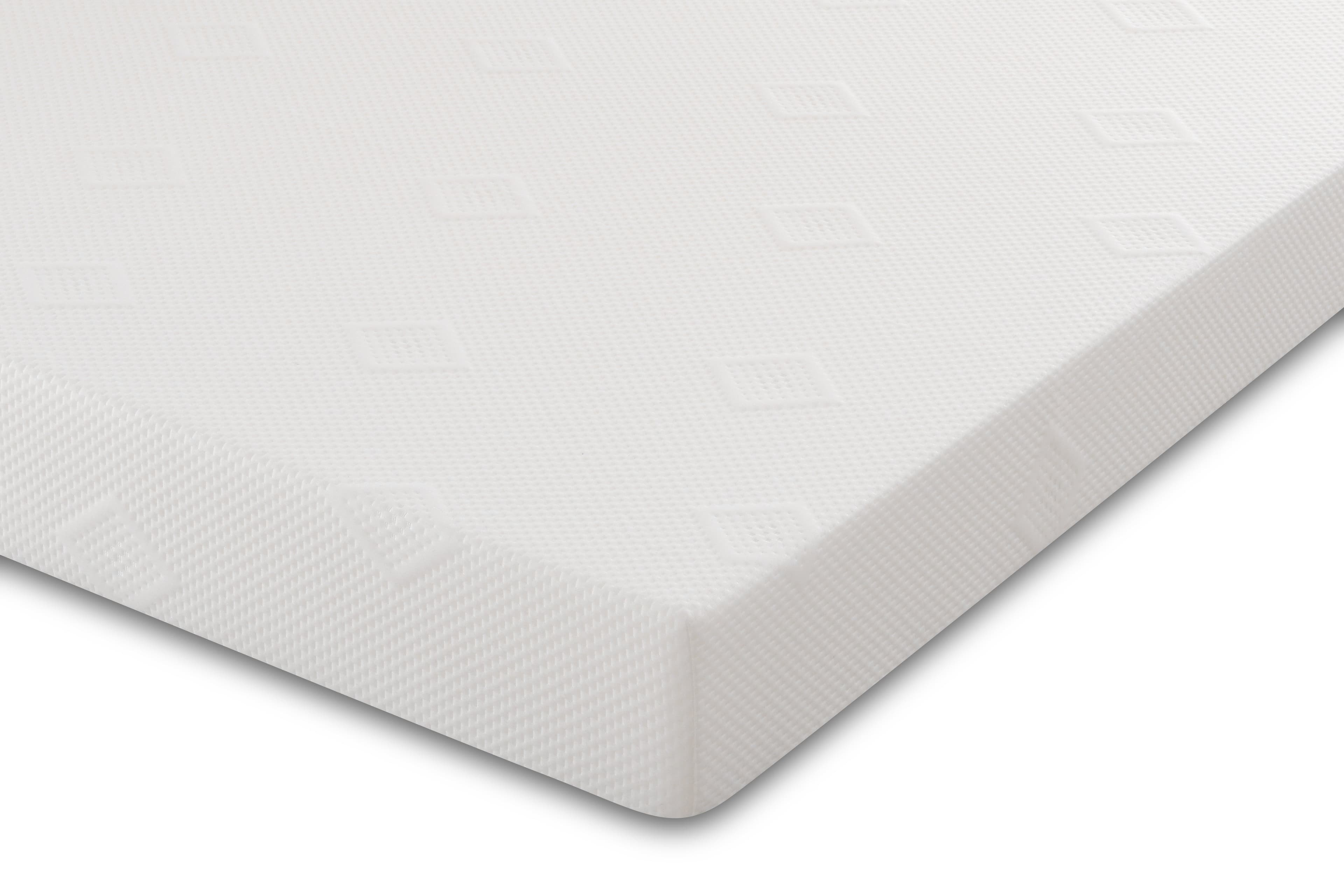
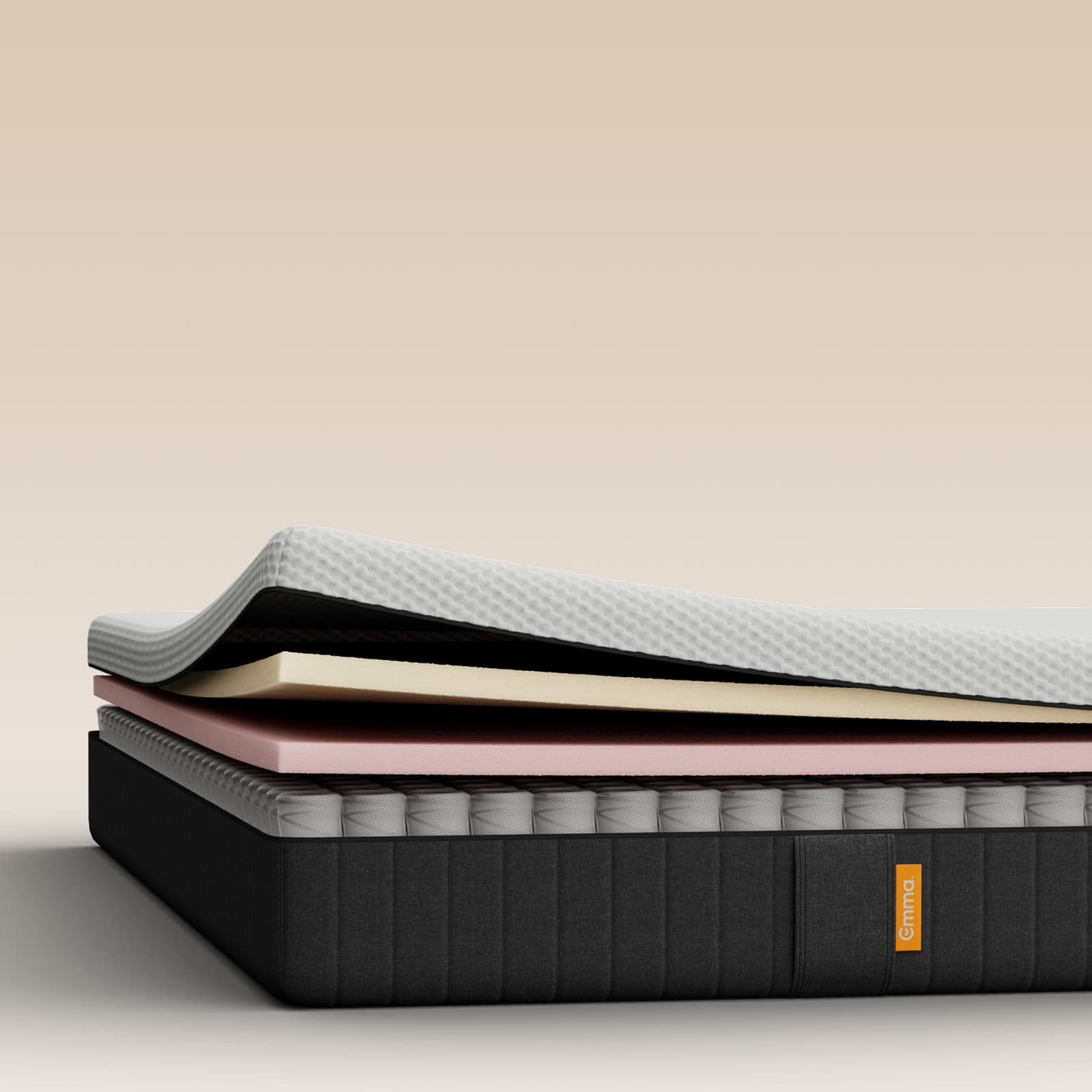
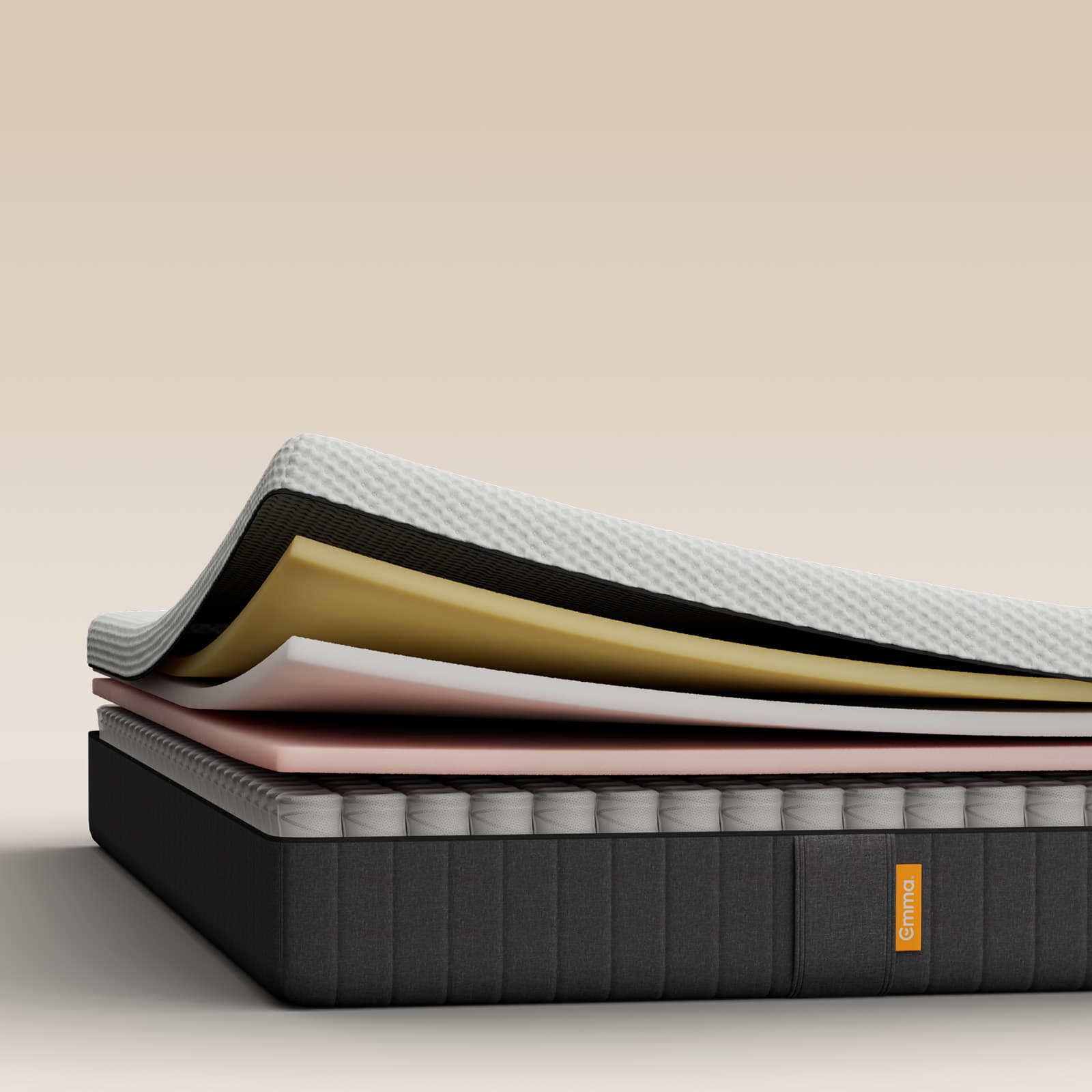
Memory foam (viscoelastic foam) responds to body heat and pressure, moulding to your exact body shape. When you move, it slowly returns to its original form. This viscoelastic behaviour is quite different from both latex (which bounces back quickly) and pocket springs (which push back against you).
Memory foam was invented by NASA in the 1960s for aircraft seat cushions. Tempur was the first company to adapt it for consumer mattresses in the 1990s. Today it appears in hundreds of UK mattress products in pure foam or hybrid form.
The genuine advantages of memory foam#
- Excellent pressure relief: Memory foam distributes your weight evenly, reducing pressure at the hips, shoulders and knees. This makes it particularly good for people with joint pain or those who wake with pressure-related discomfort.
- Outstanding motion isolation: Memory foam absorbs movement rather than transferring it. If you share a bed, you're far less likely to be disturbed when your partner moves. This is memory foam's most significant practical advantage for couples.
- Good body contouring: The close contouring keeps your spine aligned, which benefits back sleepers and side sleepers particularly.
- Quiet: Memory foam is completely silent, no spring noise.
- Durability: High-density memory foam (4+ lbs/ft³ or 65+ kg/m³) is very durable, with a lifespan of 8–10 years.
The real limitations of memory foam#
- Heat retention: This is memory foam's primary drawback. Traditional memory foam traps heat because it has a closed-cell structure with little airflow. Hot sleepers often find all-foam mattresses uncomfortable, particularly in summer. Gel foam and open-cell foam address this partially, but hybrids with pocket spring bases are significantly cooler.
- Off-gassing: New memory foam mattresses often emit a chemical smell (VOCs) when first unpacked. This is harmless but unpleasant, and typically dissipates within 24–72 hours. Rolling in fresh air speeds the process.
- Slow response: The slow return of memory foam can make it feel "sticky" when changing positions, which some sleepers find frustrating, particularly combination sleepers who move frequently.
- Weight: All-foam mattresses are heavier than sprung mattresses and awkward to move or rotate.
- Feels different in cold weather: Memory foam firms up in cold temperatures. If your bedroom is very cold in winter, the mattress may feel noticeably firmer than expected in summer.
Who should buy a memory foam mattress?#
Memory foam is ideal for:
- Side sleepers who need pressure relief at the shoulder and hip
- Couples where one partner is a restless sleeper (motion isolation)
- Joint pain or arthritis sufferers
- Lighter sleepers (under 14 stone/90kg) who won't sink too deeply
- People in cold climates (the added warmth is a feature, not a bug)
Memory foam is less ideal for: hot sleepers, heavier individuals, those who prefer a bouncy or responsive feel, and combination sleepers who change position frequently.