What a wool mattress is#
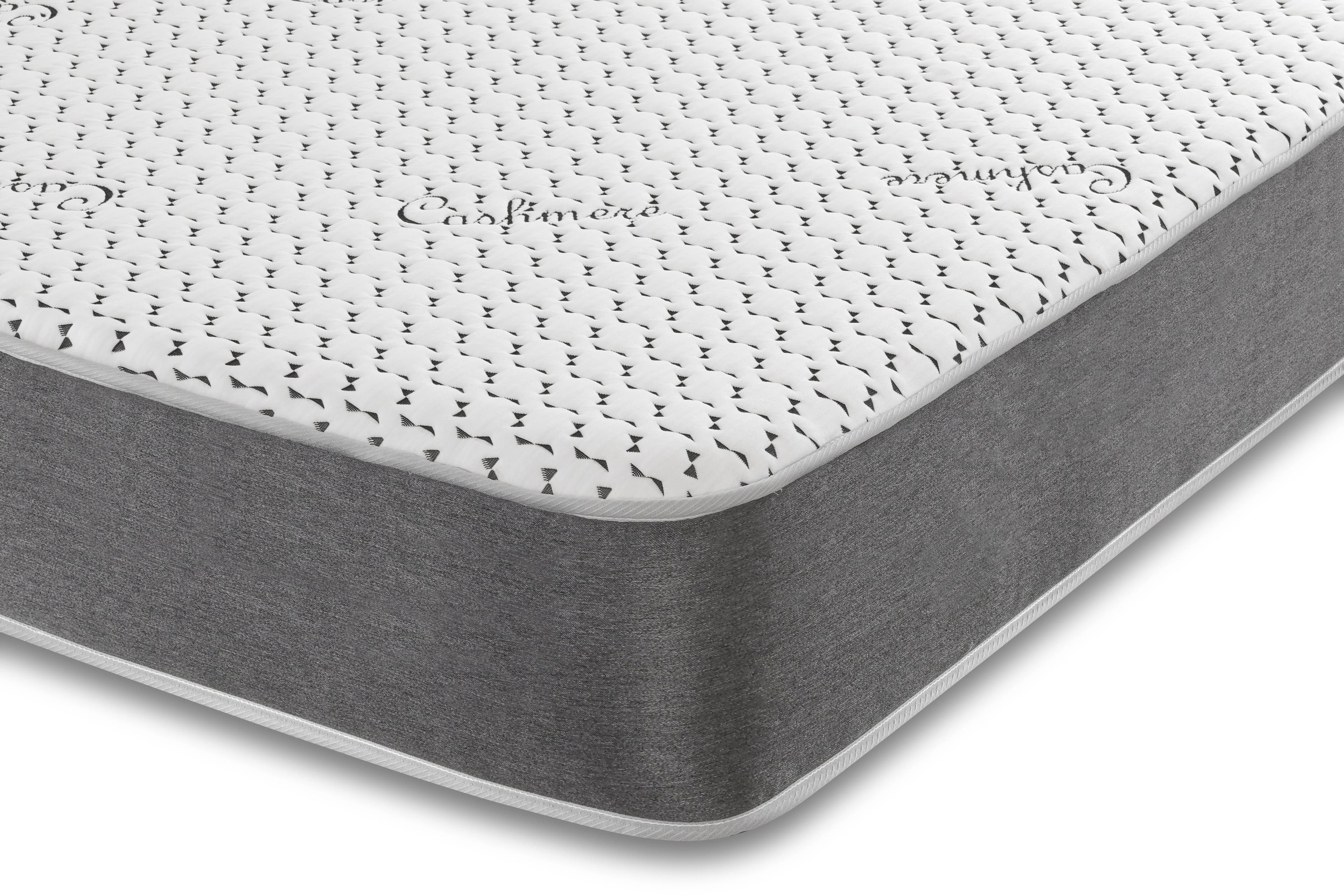
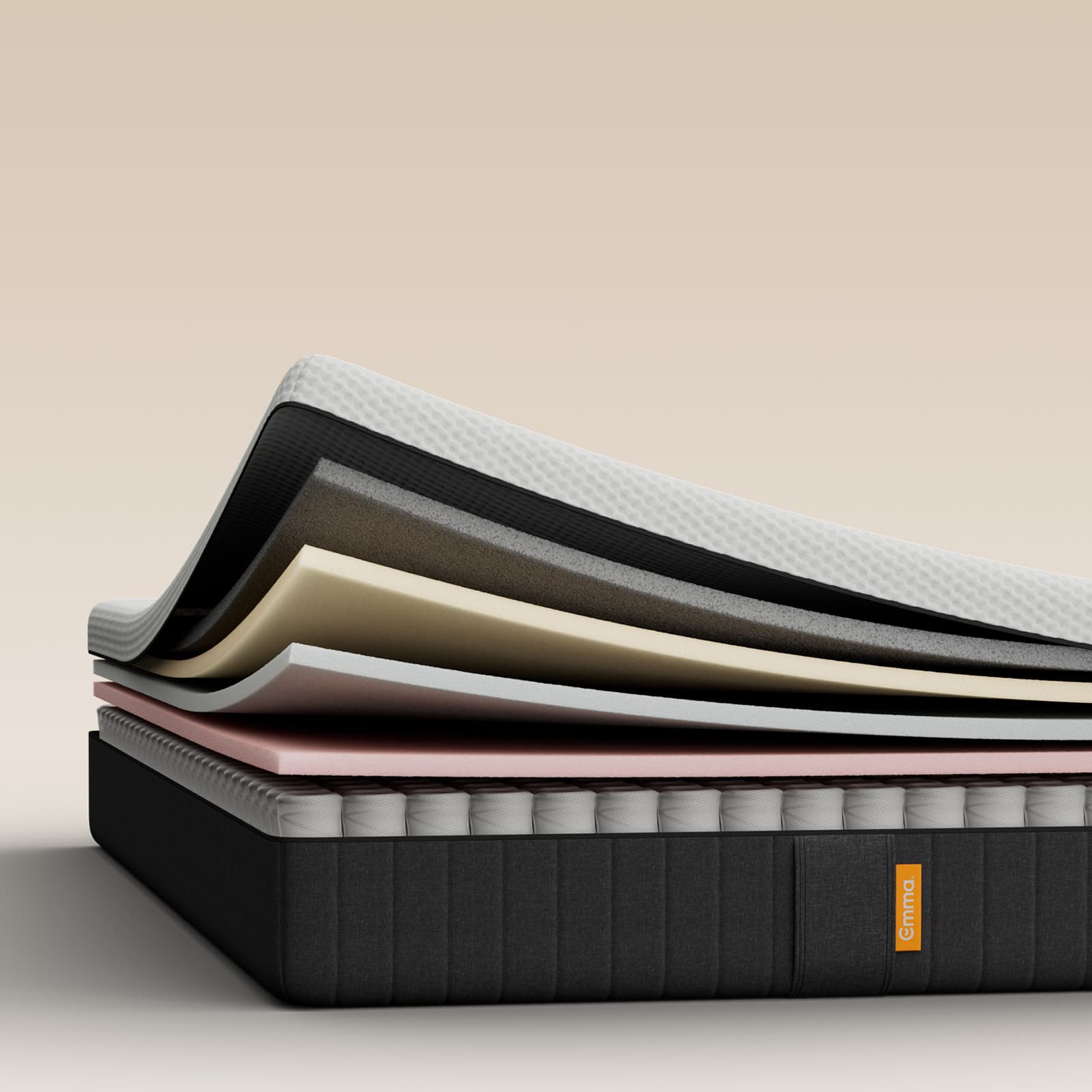
A wool mattress is almost always a pocket-spring mattress with wool in the comfort layers. The springs do the supporting. The wool, usually layered with cotton and sometimes silk or other fibres, sits between you and the springs and does the job foam does in a modern hybrid: cushioning, and managing heat and moisture.
So "wool mattress" describes the filling, not the whole bed. That matters when you compare them, because two wool mattresses can share a label and differ completely in how much wool they contain and in the springs underneath.
What wool does well#
- It manages moisture. Wool fibre takes up a large amount of water vapour, around a third of its own weight, without feeling damp, then releases it again. You lose moisture all night, and a filling that moves it away from you is the main reason wool beds feel dry and fresh.
- It evens out temperature. The crimp in the fibre traps air, so wool insulates when the room is cold, while the moisture movement stops it feeling clammy when you are warm. It will not feel cold to the touch like a cooling gel, but it is far less prone to the heat build-up of memory foam.
- It resists burning. Wool is hard to ignite and tends to smoulder and go out. Makers of natural mattresses use that property to meet UK fire safety rules without the chemical treatments foam needs. If avoiding those treatments is your reason for buying, ask the maker to confirm it for the specific model.
- It is renewable and biodegradable. British makers increasingly use traceable British fleece. Our eco-friendly mattress guide covers what the sustainability claims are worth.
What wool does not do#
- It does not support you. Support comes from the springs. A wool mattress with a low spring count is still a low-spring-count mattress. See pocket springs vs open coil.
- It does not contour like foam. Natural fillings feel flatter and more buoyant. If you like sinking into memory foam, a wool-filled mattress will feel firm and "on top".
- It settles. Wool and cotton compress where you lie, most noticeably in the first few months. Shallow dips where you sleep are normal in a naturally filled mattress and are not a fault. Regular turning evens them out.
- It is not light or cheap. Natural fillings weigh more and cost more than foam. The least expensive wool and pocket-spring double in our catalogue is £649, and the deepest hand-made models from specialist makers run to several thousand pounds.
How to read a label that says wool#
There is no rule about how much wool a mattress needs before the word goes on the label. Three questions sort the real thing from the marketing:
- Where is the wool? A wool-blend cover is a thin layer of fabric. Wool in the fillings is what changes how the mattress sleeps. Some mattresses have both, some only the first.
- What is it blended with? "Wool blend" can mean mostly polyester. Look for the fibres to be named: wool, cotton, silk, cashmere or cashgora, mohair. Polyester in the list is not a disaster, but you should know it is there.
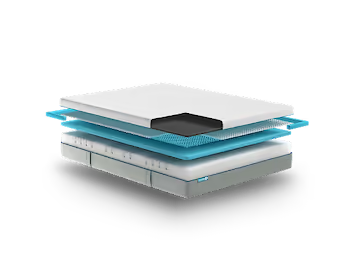
- What is underneath? Check the spring type and count as you would for any sprung mattress, and whether the mattress has foam in it. Plenty of "wool" mattresses are foam hybrids with a wool layer on top, which is a perfectly good product but a different one.
Looking after a wool mattress#
Natural fillings reward a little attention. Rotate the mattress head to foot every week or two for the first three months and every couple of months after that. If it is double-sided, turn it over as well. Our rotating and flipping guide gives a schedule.
Use a breathable protector, cotton or wool, not a plastic-backed one, or you undo the moisture movement you paid for. Leave the bed turned back for a while each morning. And measure your sheets: these mattresses are deep, often 28cm to 34cm.
Who should buy one#
- Likely to suit: hot or clammy sleepers who dislike foam; people who prefer a traditional sprung feel; buyers who want natural materials next to them; anyone who found memory foam hard to move on.
- Less likely to suit: side sleepers who need deep cushioning at the shoulder, unless they choose a softer tension; anyone who cannot lift and turn a heavy mattress; tight budgets.
True wool allergy is rare, and the wool in a mattress is sealed inside the cover and under your sheet and protector. If you react to wool against your skin, ask your GP or pharmacist before spending a four-figure sum.
Wool-filled mattresses we have tested#
These are the models in our catalogue with wool in the fillings or cover. The Millbrook Serenity mattresses are the traditional kind, hand-made in Hampshire with pocket springs under wool and cotton. The others use wool as one layer in a hybrid.
| Model | Type | Depth | Feel | Support | Comfort | Price (double) | Where it fits |
|---|---|---|---|---|---|---|---|
| Millbrook Serenity 1020 | Pocket spring | 28cm | Medium | 8.3 | 8.2 | £649 | The entry point: 1,020 pocket springs under Hampshire wool and cotton |
| Millbrook Serenity 2500 | Pocket spring | 29cm | Medium | 8.6 | 8.5 | £825 | Adds a micro-spring layer and silk |
| Millbrook Serenity 4500 | Pocket spring | 30cm | Medium | 8.9 | 8.8 | £899 | The best value in the range: wool, cotton, silk and cashgora |
| Millbrook Serenity Luxury 6500 | Pocket spring | 34cm | Medium | 9.2 | 9.2 | £1,450 | The top of the range, 34cm deep |
| LuxeErgo 3400 Hybrid | Hybrid | 31cm | Firm | 9.0 | 9.0 | £599 (was £749) | A firm hybrid with a wool and cotton cover |
| LuxeOrganic Hybrid Latex | Latex hybrid | 30cm | Medium | 8.6 | 8.8 | £674 (was £899) | Natural latex with an organic cotton and wool cover |
| Simba Hybrid Pro | Hybrid | 28cm | Medium-firm | 9.2 | 9.1 | £909 (was £1,299) | A boxed hybrid with a British wool comfort layer |
Prices are for a double, as listed on this site on 13 November 2026; several are sale prices. Full scores are on each review page. We may earn a commission if you buy through our links, at no extra cost to you; it never affects a score.
For a traditional wool mattress, Millbrook Serenity 4500 at £899 is the one we would choose: it has the richest filling short of the luxury models. On a tighter budget, Millbrook Serenity 1020 is the least expensive way into a properly made wool and pocket-spring mattress. Our Millbrook review covers the whole range, and the natural and organic mattresses page ranks every natural-filled model we have scored.
Frequently asked questions#
Are wool mattresses good?#
For temperature and freshness, very. Whether one is good for you depends on the springs beneath the wool and on whether you like a traditional, less contouring feel.
Do wool mattresses make you hot?#
No. Wool insulates, but it also moves moisture away, and it is the damp that makes a bed feel hot. Most people find wool-filled mattresses cooler than memory foam.
Why does my wool mattress have dips?#
Natural fillings settle where you lie. Shallow impressions are normal, especially early on. Rotate and turn the mattress regularly to even them out. A deep dip that does not recover is worth raising with the retailer.
Are wool mattresses free of fire-retardant chemicals?#
Many are, because wool is naturally slow to burn, but not all. Ask the maker about the specific model.
How long does a wool mattress last?#
A well-made pocket-spring mattress with natural fillings, turned regularly, can last ten years or more. See how long a mattress lasts.
Is wool or latex better in a natural mattress?#
They do different jobs. Latex is a springy, contouring comfort layer; wool is a flatter, drier one. Some mattresses use both. Our latex mattress guide explains the latex side.
Related reading#
- Best natural and organic mattresses – the ranked list
- Millbrook mattress review – hand-made wool and pocket-spring mattresses
- Natural latex mattress guide – the other natural comfort layer
- Best pocket spring mattresses – every sprung mattress we have scored