Why mattress sustainability matters#
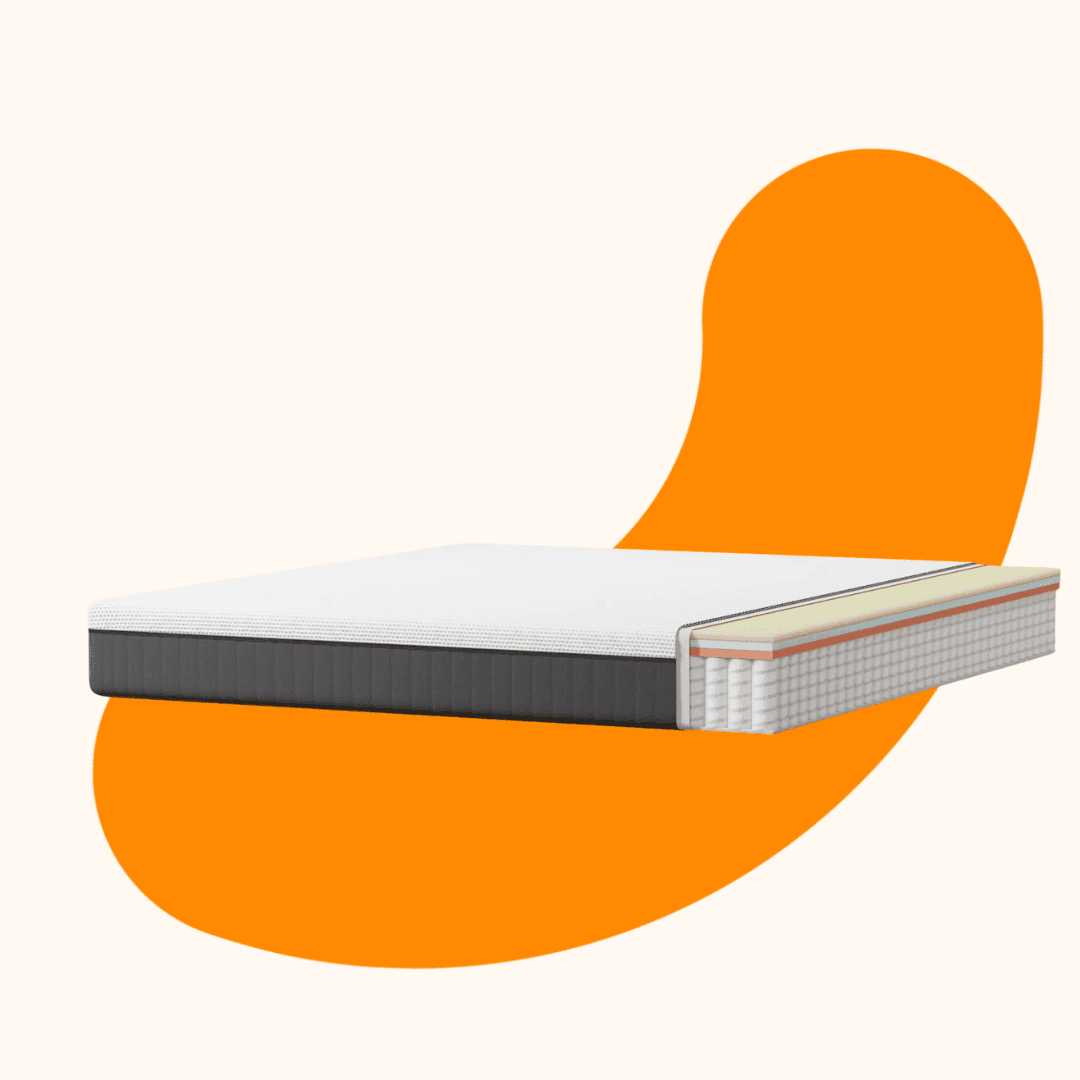
A typical mattress contains petroleum-derived polyurethane foam, synthetic fabrics, adhesives and steel springs. At end of life, most mattresses end up in landfill, where they take decades to break down. The UK disposes of approximately 7 million mattresses per year. Choosing a more sustainable option, even imperfect sustainability, is a meaningful environmental decision given how long mattresses are in use.
Key certifications to look for#
Certifications provide independently verified assurance that a mattress meets certain environmental or health standards:
- GOLS (Global Organic Latex Standard): Certifies that latex used is genuinely organic and produced sustainably. The gold standard for natural latex.
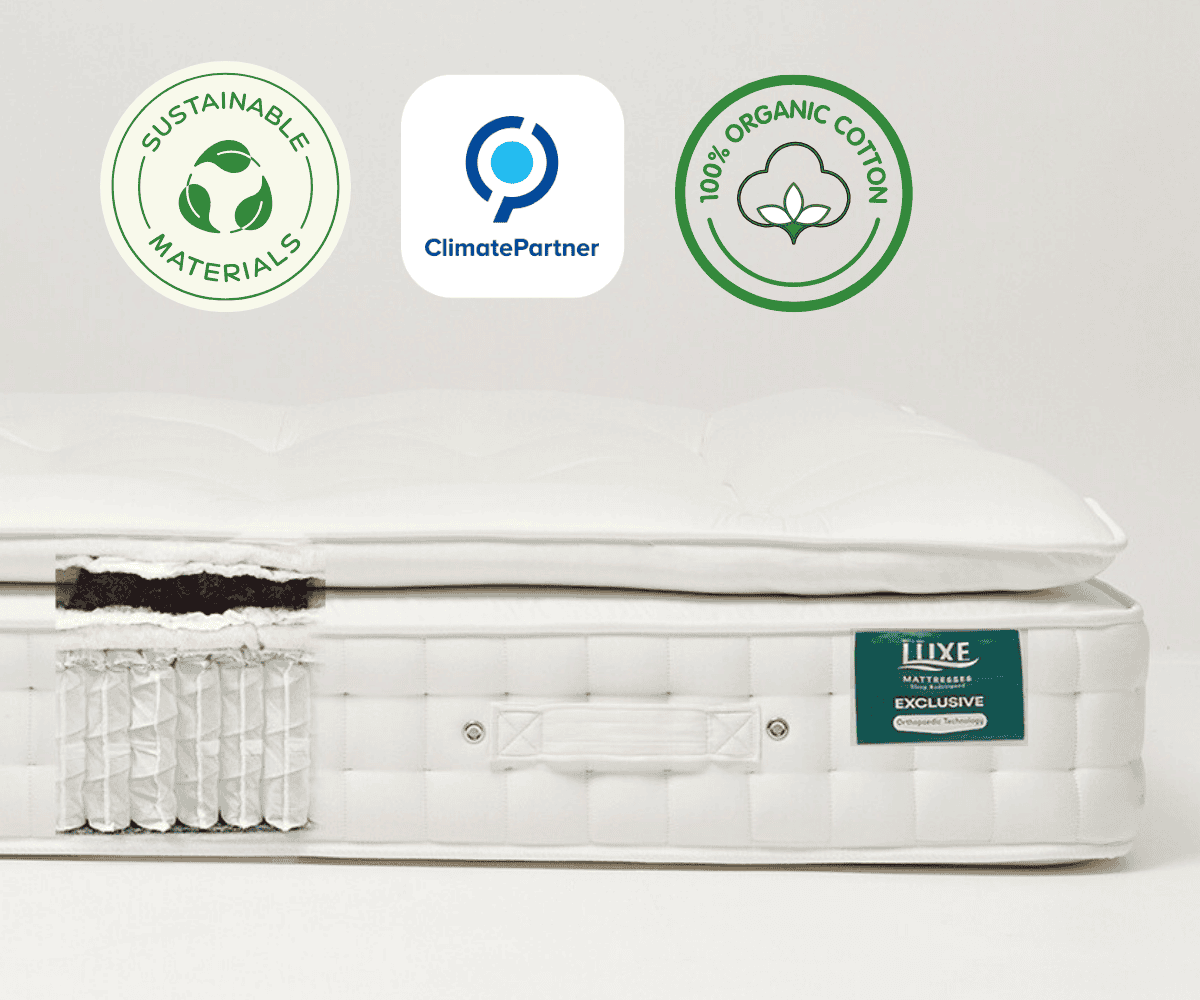
- GOTS (Global Organic Textile Standard): Covers organic cotton and wool used in mattress covers and fillings.
- Oeko-Tex Standard 100: Certifies that all materials have been tested for harmful substances. Applicable to both synthetic and natural materials.
- CertiPUR-US / ISPA Approved: US certification (increasingly seen on UK products) that foam meets standards for emissions, content and durability.
- FSC (Forest Stewardship Council): Relevant if the mattress has a wooden frame or box spring base.
Eco-friendly materials in mattresses#
- Natural latex: The most sustainable foam alternative. Biodegradable, renewable and extremely durable. GOLS-certified natural latex is the best option.
- Organic cotton: Used in covers and quilting layers. GOTS-certified organic cotton avoids pesticide-heavy conventional cotton production.
- Wool: A natural, renewable fibre with excellent temperature regulation properties. UK wool in particular has a low transport footprint.
- Bamboo-derived fibres: Marketed as eco-friendly, but the viscose/lyocell production process involves chemicals. More sustainable than polyester but not as clean as the marketing suggests.
- Recycled steel springs: Steel is highly recyclable, and some manufacturers now use recycled steel in their spring systems.
Best eco-friendly mattress brands in the UK#
- The Natural Bed Company: British manufacturer specialising in natural latex, wool and organic cotton mattresses.
- Woolroom: Uses wool throughout, covers, fillings and duvets. GOTS-certified.
- John Ryan by Design: Offers hand-crafted, UK-made mattresses with natural fillings and minimal synthetic materials.
- Naturalmat: Devon-based manufacturer of organic, natural mattresses. Popular for children's mattresses in particular.
- Simba: Offers a recycled Spring™ layer and has committed to a responsible supply chain, though it is primarily a foam/hybrid brand rather than a natural materials specialist.
What about recycling your mattress?#
At end of life, natural materials (latex, wool, cotton) biodegrade; synthetic materials do not. Some UK brands now operate take-back schemes. The National Bed Federation's Bed@Work programme helps facilitate responsible mattress disposal. Increasingly, mattress recycling facilities across the UK can reclaim steel, foam and fibre separately.