Who the LuxeOrganic Hybrid Latex suits
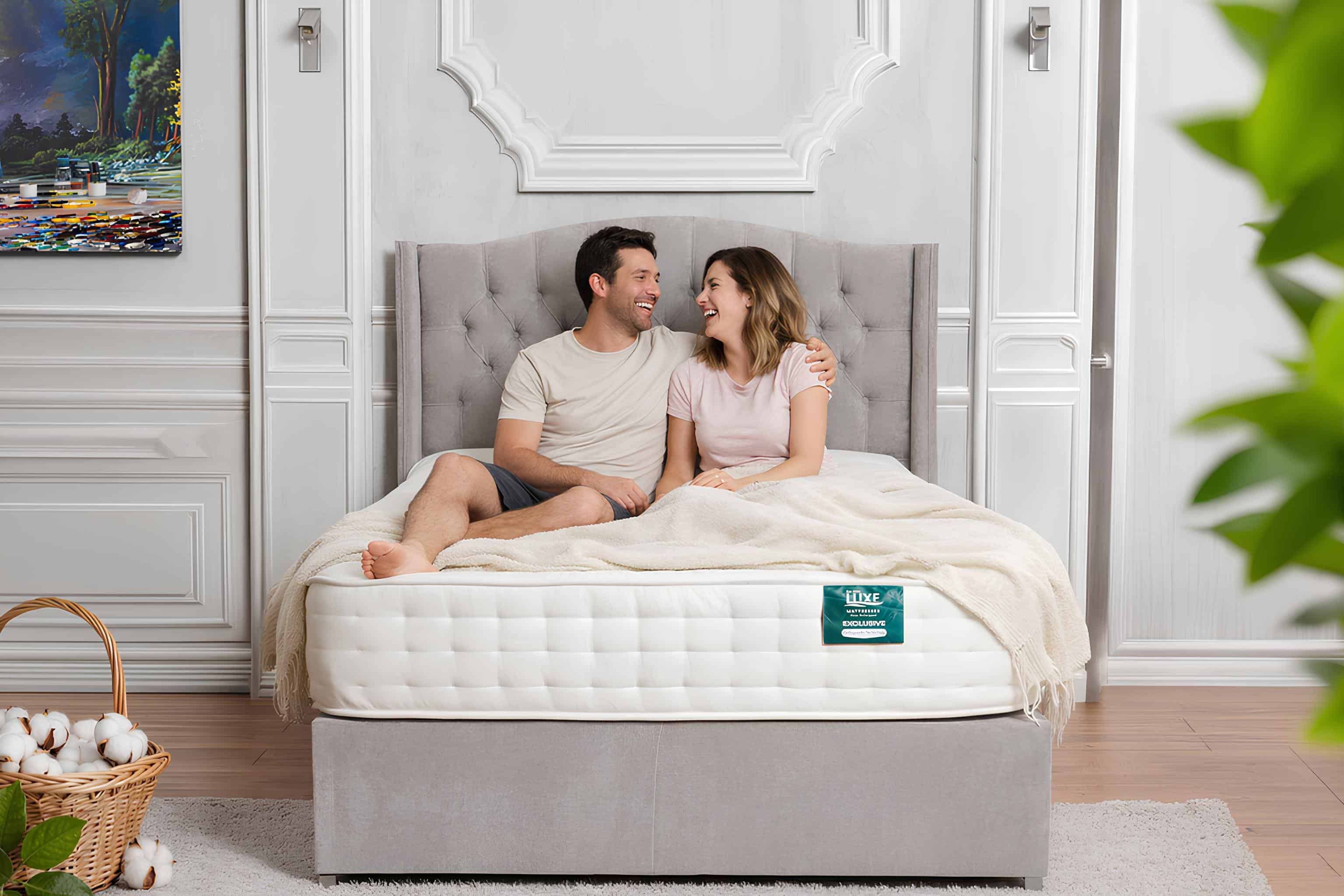
This is the mattress for people who want natural materials and are prepared to pay for them, and for allergy sufferers, for whom latex offers a specific practical benefit rather than just a philosophical one. Natural latex is inherently resistant to dust mites and mould, which is not a marketing claim but a property of the material.
It also suits anyone who dislikes memory foam's sinking sensation. Latex is buoyant: it pushes back and returns to shape immediately, which feels completely different from foam and which many people strongly prefer once they have tried it. Read our latex vs memory foam guide before committing, because this is the most acquired-taste feel on the site.
Construction and materials
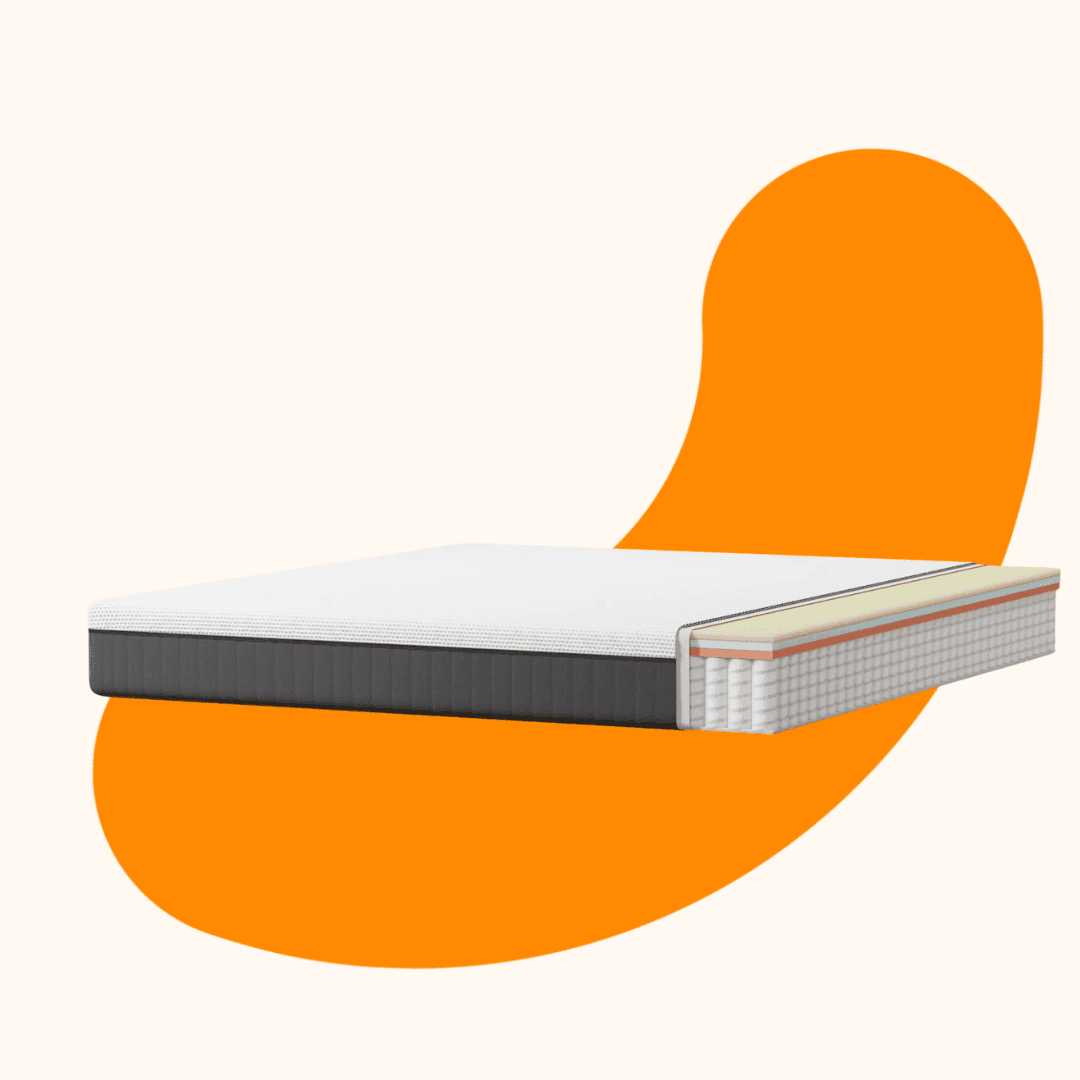
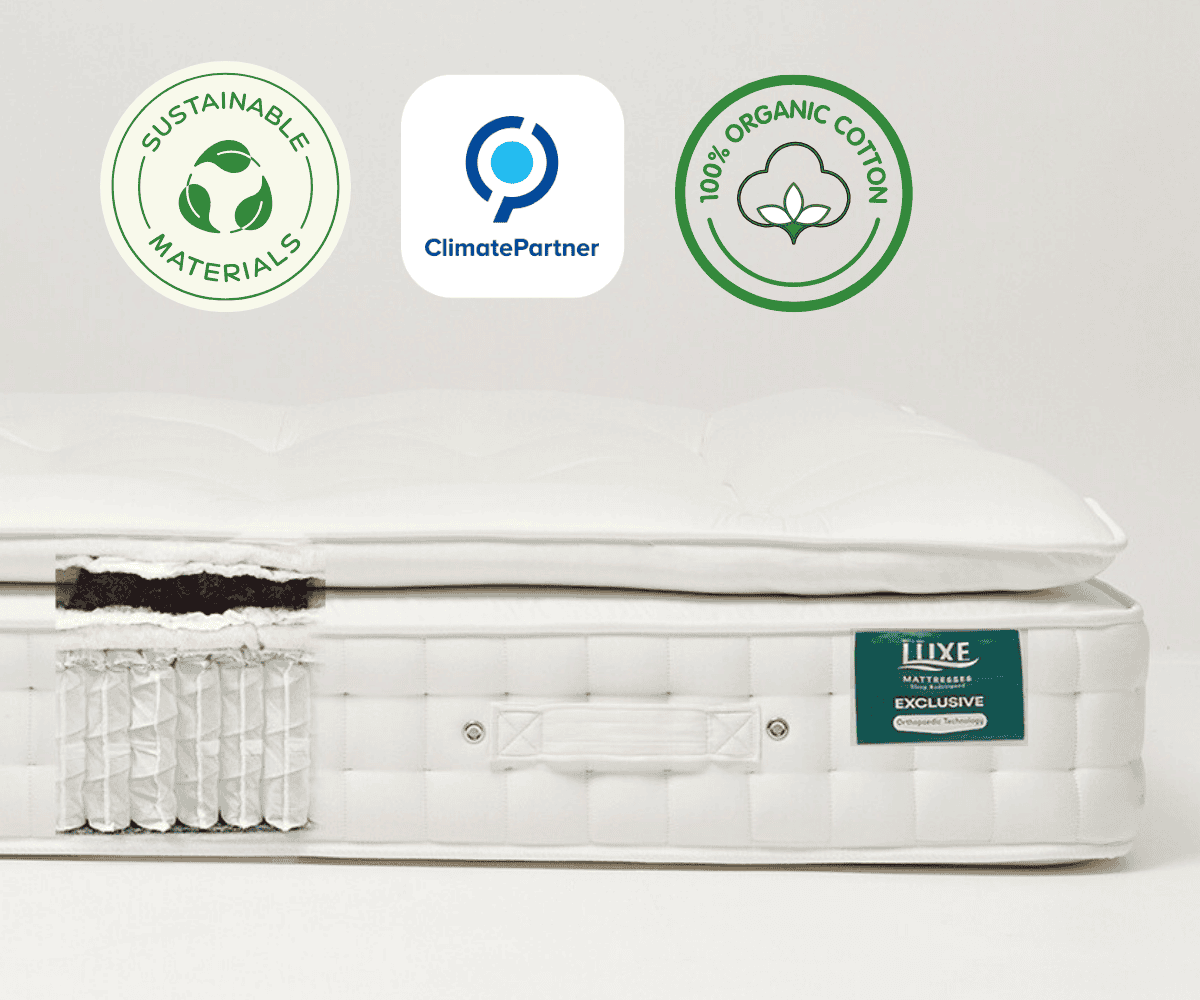
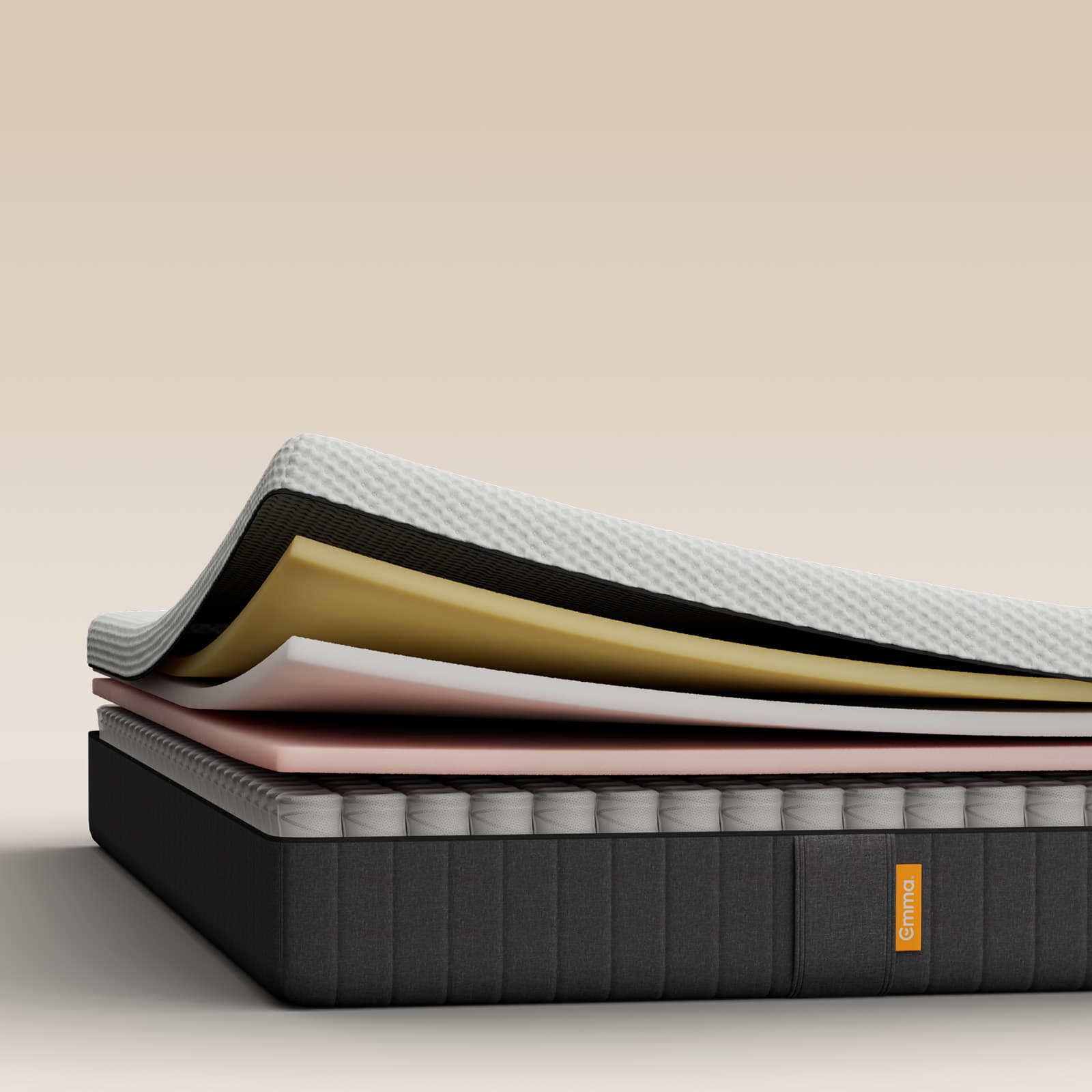
Thirty centimetres: natural Talalay latex over pocket springs, wrapped in an organic cotton and wool cover. Talalay is a specific latex manufacturing process – the mould is vacuum-sealed and flash-frozen before curing, which produces a more open, consistent cell structure than the cheaper Dunlop method. It is softer, more breathable and more uniform, and it costs more.
Pairing it with pocket springs rather than a latex core keeps the weight and the price down while retaining the responsive surface feel. The organic cotton and wool cover completes a build with very little synthetic content, which is unusual at this price.
Comfort and support
We score it 8.6 for support and 8.8 for comfort. The medium feel is well judged and works across sleeping positions: latex contours enough to relieve pressure at the shoulder and hip without the deep sink of memory foam, while the pocket springs hold the pelvis level.
What distinguishes it in use is responsiveness. Changing position is effortless because the latex returns to shape instantly rather than holding an impression, which makes it one of the best choices we list for combination sleepers – see our combination sleepers guide.
Temperature
Naturally excellent, with no cooling technology required. Talalay latex has an open cell structure that breathes far better than memory foam, wool regulates moisture, and the pocket-spring layer ventilates the mattress body. Three natural mechanisms working together put this among the coolest mattresses we list.
Edge support and motion isolation
Edge support is good, courtesy of the pocket-spring perimeter. Motion isolation is the weakness and it is inherent to the material: latex is springy, so movement propagates across the surface more than it would through memory foam. If you share with a restless partner, this is the main reason to consider something else.
Durability, trial and warranty
Natural latex is one of the most durable mattress materials available – it resists taking a permanent set far better than polyurethane foams, which is a large part of why latex mattresses command a premium. Combined with a pocket-spring core, expect 10 or more years of nightly use. The 100-night trial and 10-year warranty apply. One practical note: latex is heavy, so rotating it quarterly is a two-person job.
Our verdict
A genuinely natural mattress at a reasonable price for what it is, and at its regular sale price of around £471 it is well worth considering. The 8.0 value score reflects the unavoidable premium on Talalay latex and organic covers rather than any shortcoming in the mattress. Buy it if you want natural materials, if you have allergies, or if you have tried latex and prefer it. If you have never slept on latex, use the 100-night trial properly – the buoyant feel takes a week or two to get used to.