What is a combination sleeper?#
A combination sleeper is someone who regularly changes position during the night, moving between side, back, and sometimes stomach sleeping. Research suggests that around 30–40% of people fall into this category. Combination sleepers pose a unique challenge when choosing a mattress: the optimal firmness and contouring for side sleeping is different from that needed for back sleeping, and both differ from stomach sleeping.
The key challenge: responsiveness#
For a combination sleeper, responsiveness is the most important mattress characteristic. Responsiveness refers to how quickly the mattress adjusts as you change position. Deep-sinking memory foam is the worst option for combination sleepers, the slow response means you're essentially fighting the mattress each time you shift position, which disrupts sleep further. Responsive materials like latex, hybrid foam/spring combinations and faster-response foam work much better.
Firmness for combination sleepers#
Because no single firmness is optimal for all three sleep positions, combination sleepers are best served by a medium firmness that works reasonably well across positions:
- Medium: Soft enough to relieve shoulder pressure when side sleeping; supportive enough to maintain lumbar alignment when back sleeping. The best compromise.
- Medium-firm: Works well for combination sleepers who spend more time on their back or stomach than their side.
- Avoid extremes: Very soft mattresses cause spinal sag when back sleeping; very firm mattresses create pressure points when side sleeping.
Best mattress types for combination sleepers#
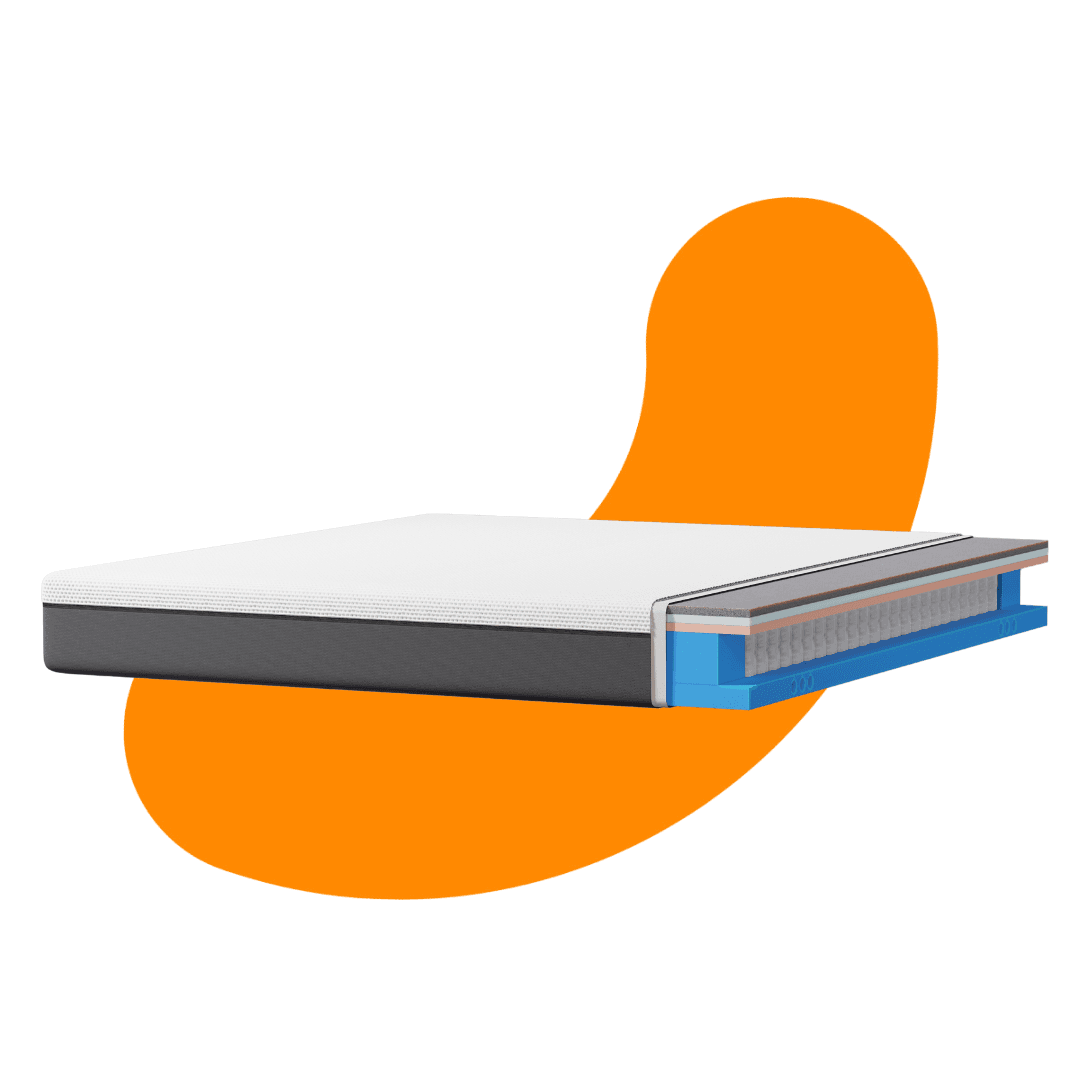
- Hybrid: The top recommendation for combination sleepers. The pocket spring base provides consistent support in all positions; the foam comfort layer provides pressure relief in side-sleeping position; the overall responsiveness makes position changes easy.
- Latex: Highly responsive and naturally adapts to different positions. A medium-firm latex mattress works well for all three positions.
- Avoid deep memory foam: The slow response makes repositioning effortful and can partially wake you each time you move. If you prefer foam, choose a faster-response open-cell foam rather than traditional viscoelastic memory foam.
Other features to prioritise#
- Low motion transfer: Combination sleepers move a lot. If you share a bed, a mattress that minimises motion transfer will reduce disturbance to your partner.
- Breathability: Moving frequently generates heat. A mattress with good airflow helps maintain a comfortable temperature despite the activity.
- Good edge support: If you sleep close to the edge, or if your repositioning takes you toward the edge, solid edge support prevents the uncomfortable feeling of rolling off.
Take our 60-second quiz and tell us you're a combination sleeper, we'll factor that into your personalised recommendation.