Why mattress choice changes with age#
Older adults tend to have lighter, more fragmented sleep, more joint and back pain, and thinner skin that is more prone to pressure. The right mattress addresses all three: it relieves pressure on bony areas, supports the spine, and makes it easier to move and get in and out of bed safely.
What firmness is best?#
This is one of the clearest areas of the evidence. A controlled trial in older adults found that a medium-firm mattress significantly reduced cervical, dorsal and lumbar pain and shortened the time taken to fall asleep, compared with a high-firmness mattress.1 A broader systematic review reached the same conclusion across age groups: medium-firm best supports comfort, sleep quality and spinal alignment.2 A very firm "orthopaedic" mattress is rarely the right answer for older bodies.
Ease of movement matters#
For anyone with reduced strength or mobility, being able to turn over and rise easily is as important as comfort. Very soft, deeply contouring mattresses can feel like they "trap" you. A medium-firm, slightly more responsive surface (a hybrid or latex, rather than dense memory foam) makes repositioning and getting up much easier. Firmness also supports sleep stability, with medium firmness linked to shorter sleep latency and more stable sleep architecture than a soft surface.3
Pressure relief and skin protection#
Thinner skin and bonier frames raise the risk of pressure discomfort at the hips, shoulders and heels. A pressure-relieving comfort layer over a supportive core spreads weight more evenly. For anyone largely bed-bound, pressure care becomes a clinical matter, speak to a GP or occupational therapist about specialist pressure-relieving mattresses.
Best mattress types for older adults#
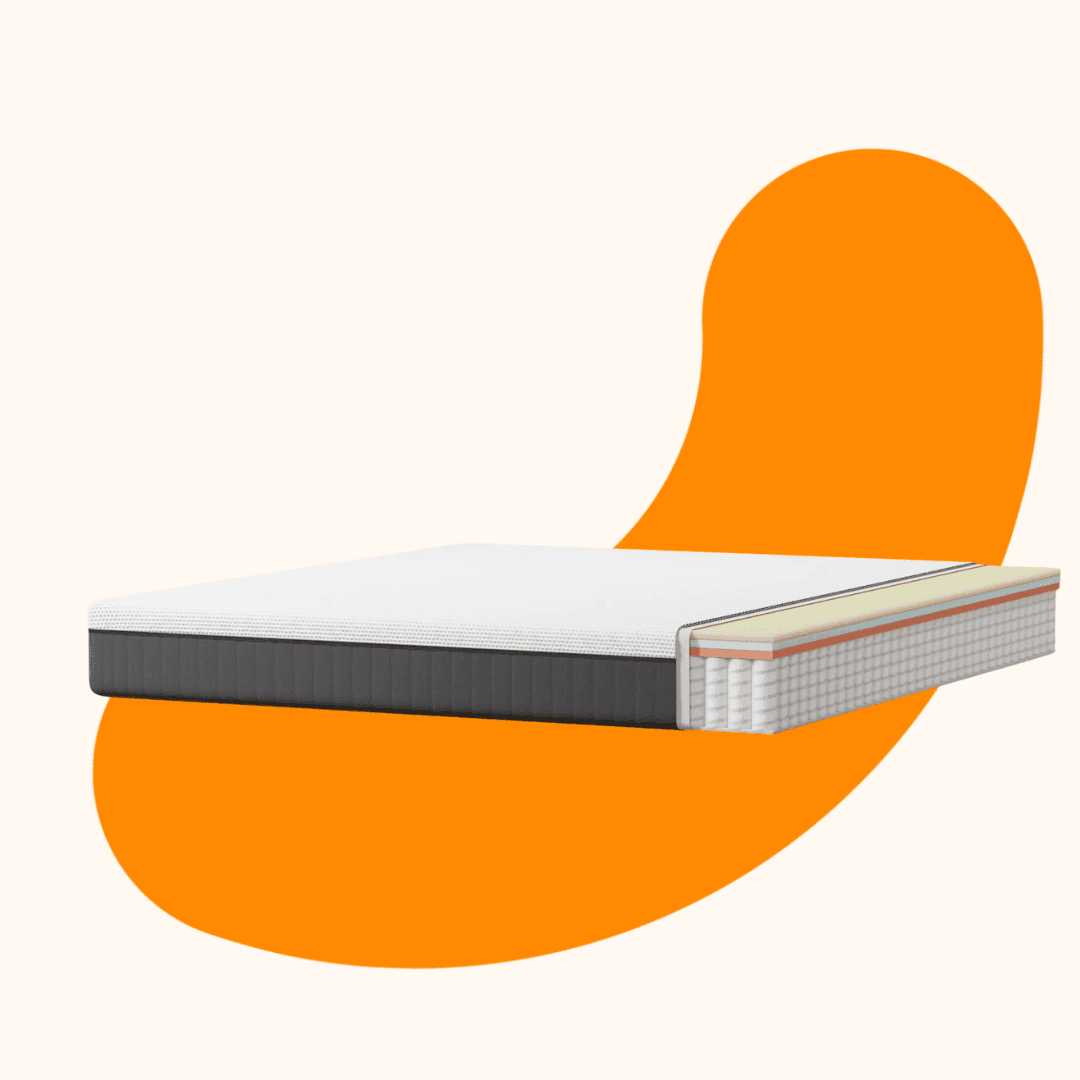
- Hybrid: the best all-rounder, supportive springs, a cushioning top, and an easy-to-move surface.
- Latex: responsive and supportive, easy to reposition on, naturally durable.
- Medium-firm memory foam: good pressure relief, but avoid very soft, deep-hug versions that make moving harder.
Practical features to look for#
- Appropriate height: the mattress plus base should let feet rest flat on the floor when sitting on the edge, easier and safer to stand up from.
- Edge support: a firm perimeter gives a stable place to sit and push up from.
- Adjustable bed compatibility: useful for reflux, circulation or reading, see our adjustable beds guide.
- A long home trial to judge comfort over weeks.
Browse medium-firm mattresses, read our back pain guide, or take our quiz for a personalised match.
References#
- Ancuelle V, Zamudio R, Mendiola A, et al. Effects of an adapted mattress in musculoskeletal pain and sleep quality in institutionalized elders. Sleep Science. 2015;8(3):115–120. doi:10.1016/j.slsci.2015.08.004
- Caggiari G, Talesa GR, Toro G, Jannelli E, Monteleone G, Puddu L. What type of mattress should be chosen to avoid back pain and improve sleep quality? Review of the literature. Journal of Orthopaedics and Traumatology. 2021;22:51. doi:10.1186/s10195-021-00616-5
- Hu Z, Wang Y, Li L, et al. Effects of Mattress Firmness on Sleep Quality and Sleep Architecture. Nature and Science of Sleep. 2025;17:865–878. doi:10.2147/NSS.S503222