What spondylosis means for your sleep#
Spondylosis is age-related wear of the spine, the discs, joints and ligaments, that can cause stiffness, aching and reduced flexibility, often worse first thing in the morning. A mattress can't reverse degeneration, but the right one supports the spine through the night so you wake less stiff and sore. This guide is general comfort advice, not medical treatment; for a diagnosed condition, follow your GP or physiotherapist's recommendations.
What firmness is best?#
The instinct to buy a very hard "orthopaedic" mattress is usually wrong. The evidence favours the middle ground: a systematic review of 39 studies found medium-firm mattresses best support comfort, sleep quality and spinal alignment,1 and a controlled trial in older adults found a medium-firm mattress reduced cervical, dorsal and lumbar pain and shortened the time taken to fall asleep compared with a high-firmness mattress.2 Because spondylosis is most common with age, that older-adult evidence is especially relevant.
Support plus cushioning#
The aim is a supportive core that keeps the spine neutral, paired with a comfort layer generous enough to cushion stiff, sensitive joints. Too firm and it presses on worn areas; too soft and the spine sags, stiffening it further. Medium to medium-firm with a quality comfort layer hits the balance for most people with spondylosis.
Ease of movement matters#
Stiffness makes turning over and getting up harder, so a surface that's easy to move on helps. A responsive hybrid or latex is generally better than a deep, slow memory foam that you sink into. Firmness also supports sleep stability, with medium firmness linked to shorter sleep latency and more stable sleep architecture than a soft surface.3
Best mattress types#
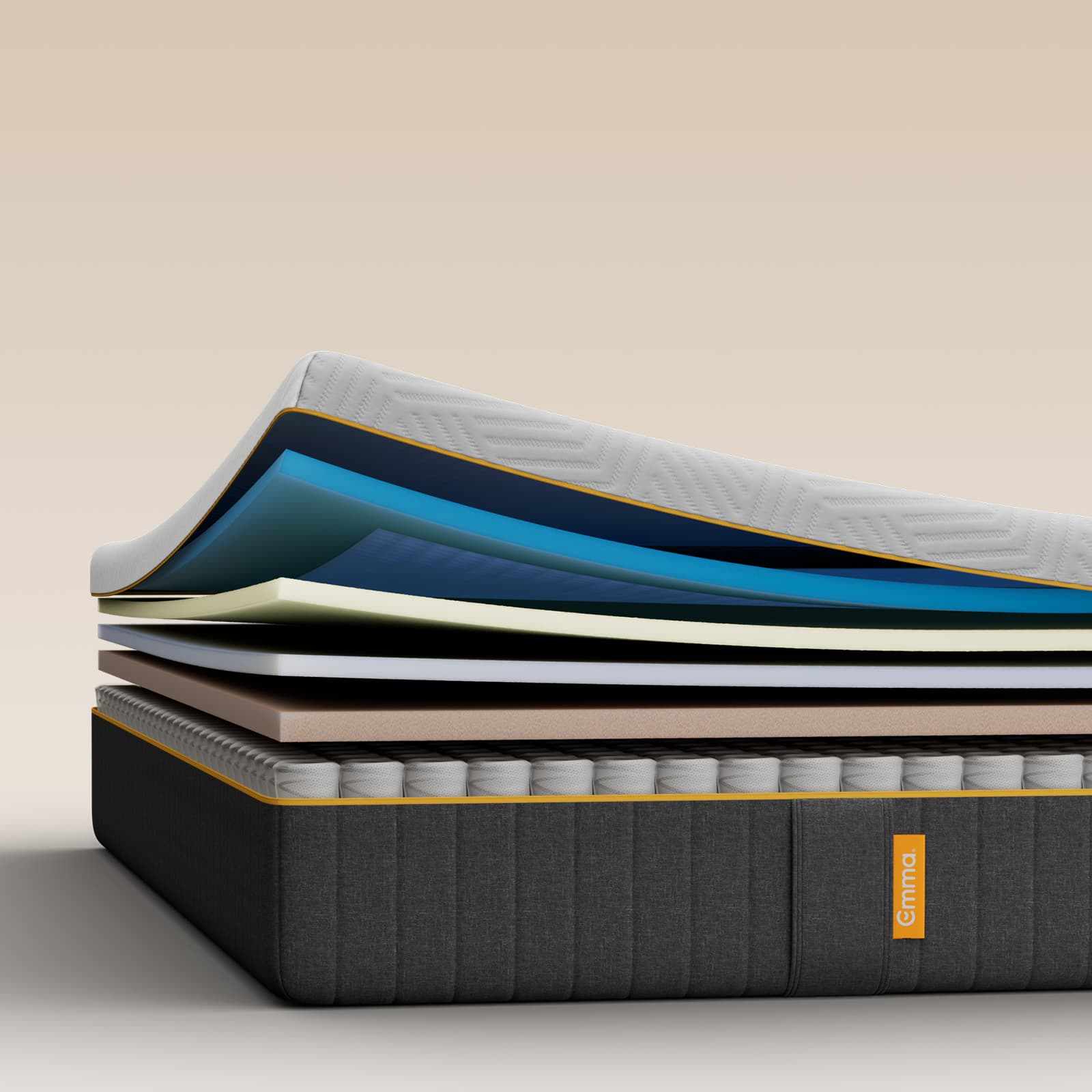
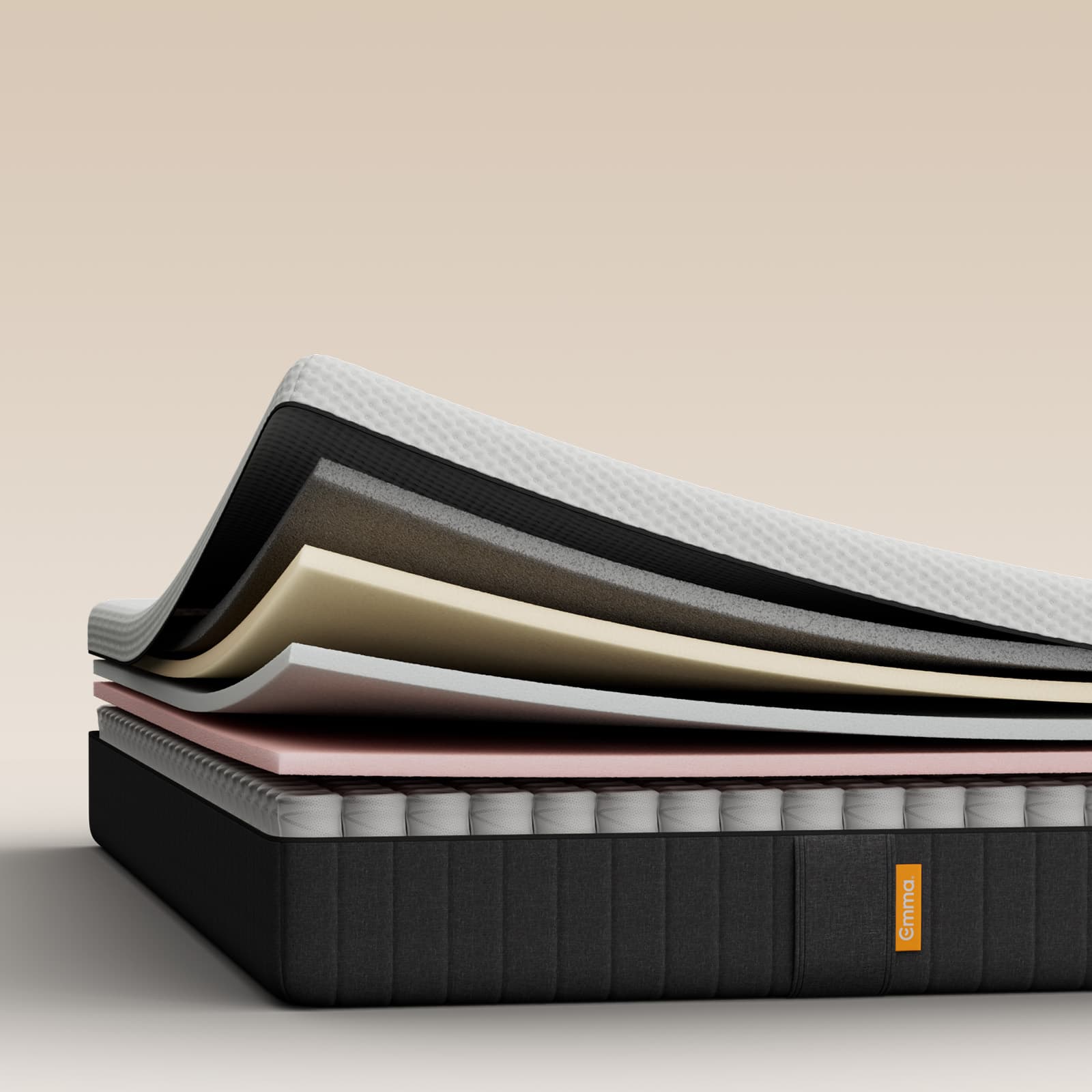
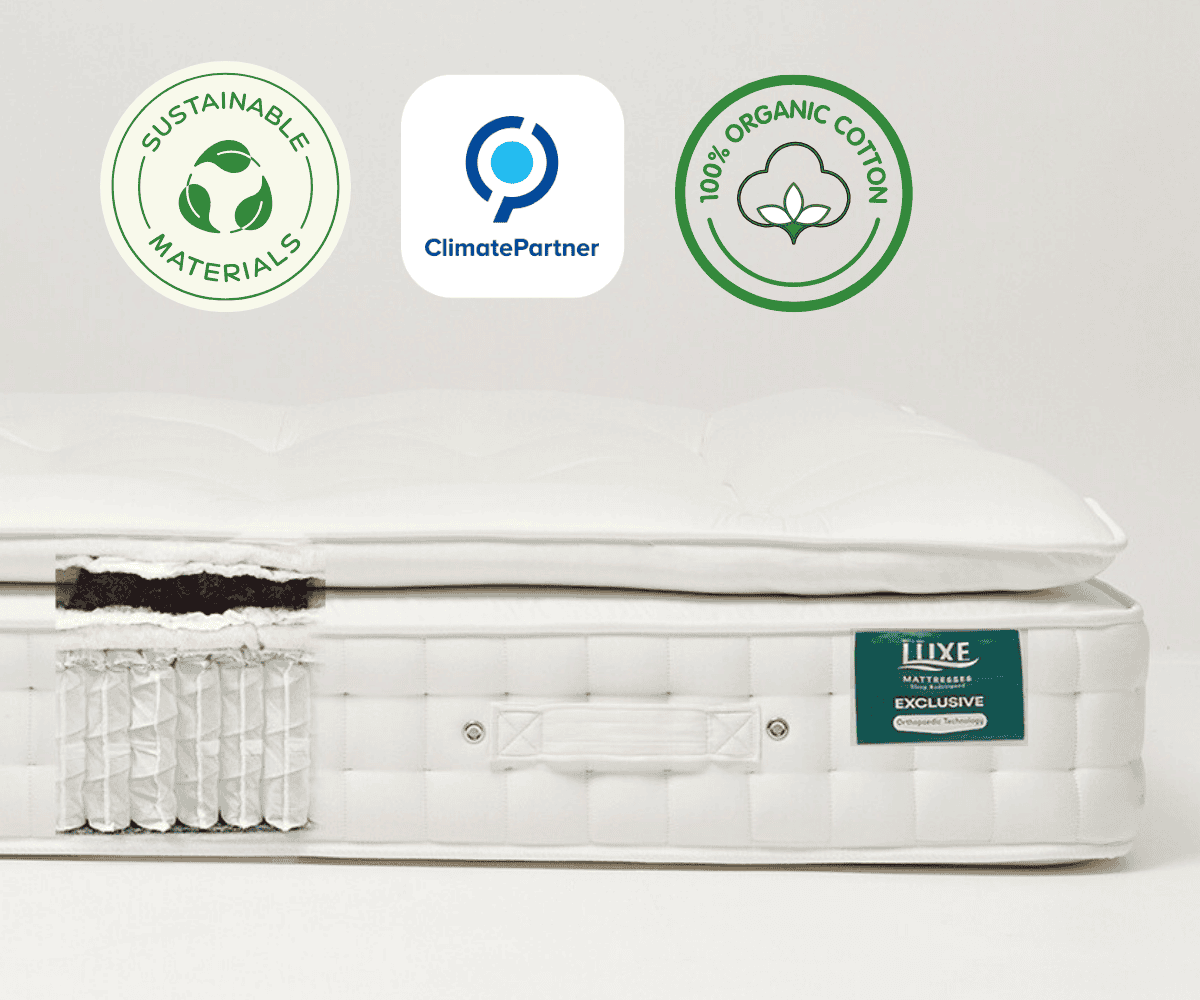
- Hybrid: the best all-rounder, supportive springs, a cushioning top, and an easy-to-move surface.
- Latex: supportive and responsive, with gentle cushioning and easy repositioning.
- Medium-firm memory foam: good pressure relief for stiff joints, avoid very soft versions that make moving harder.
Practical tips#
- Choose medium to medium-firm with a supportive core and a comfortable top layer.
- Consider an adjustable base, raising the head or knees can ease pressure, see our adjustable beds guide.
- Get your pillow right to keep the neck aligned, see our pillow guide.
- Use a long home trial, stiffness needs weeks to judge a mattress, not minutes.
Browse medium-firm mattresses, read our back pain guide and guide for older adults, or take our quiz for a personalised match.
References#
- Caggiari G, Talesa GR, Toro G, Jannelli E, Monteleone G, Puddu L. What type of mattress should be chosen to avoid back pain and improve sleep quality? Review of the literature. Journal of Orthopaedics and Traumatology. 2021;22:51. doi:10.1186/s10195-021-00616-5
- Ancuelle V, Zamudio R, Mendiola A, et al. Effects of an adapted mattress in musculoskeletal pain and sleep quality in institutionalized elders. Sleep Science. 2015;8(3):115–120. doi:10.1016/j.slsci.2015.08.004
- Hu Z, Wang Y, Li L, et al. Effects of Mattress Firmness on Sleep Quality and Sleep Architecture. Nature and Science of Sleep. 2025;17:865–878. doi:10.2147/NSS.S503222