Who the Pocket Reflex 1000 suits
The Pocket Reflex is the traditionalist's choice at £399: a proper pocket-sprung mattress with a reflex foam comfort layer, rather than a foam mattress with springs added. If you grew up on sprung beds and find memory foam claustrophobic – that slow, sinking, gripped sensation a lot of people dislike – this is the mattress that will feel like home.
It suits back sleepers, combination sleepers and anyone who wants responsiveness over cushioning. If you want a plusher surface for the same money, the Luxe Velour Hybrid is the direct alternative and scores higher on comfort. Our pocket spring vs memory foam guide sets out the choice in full.
Construction and materials
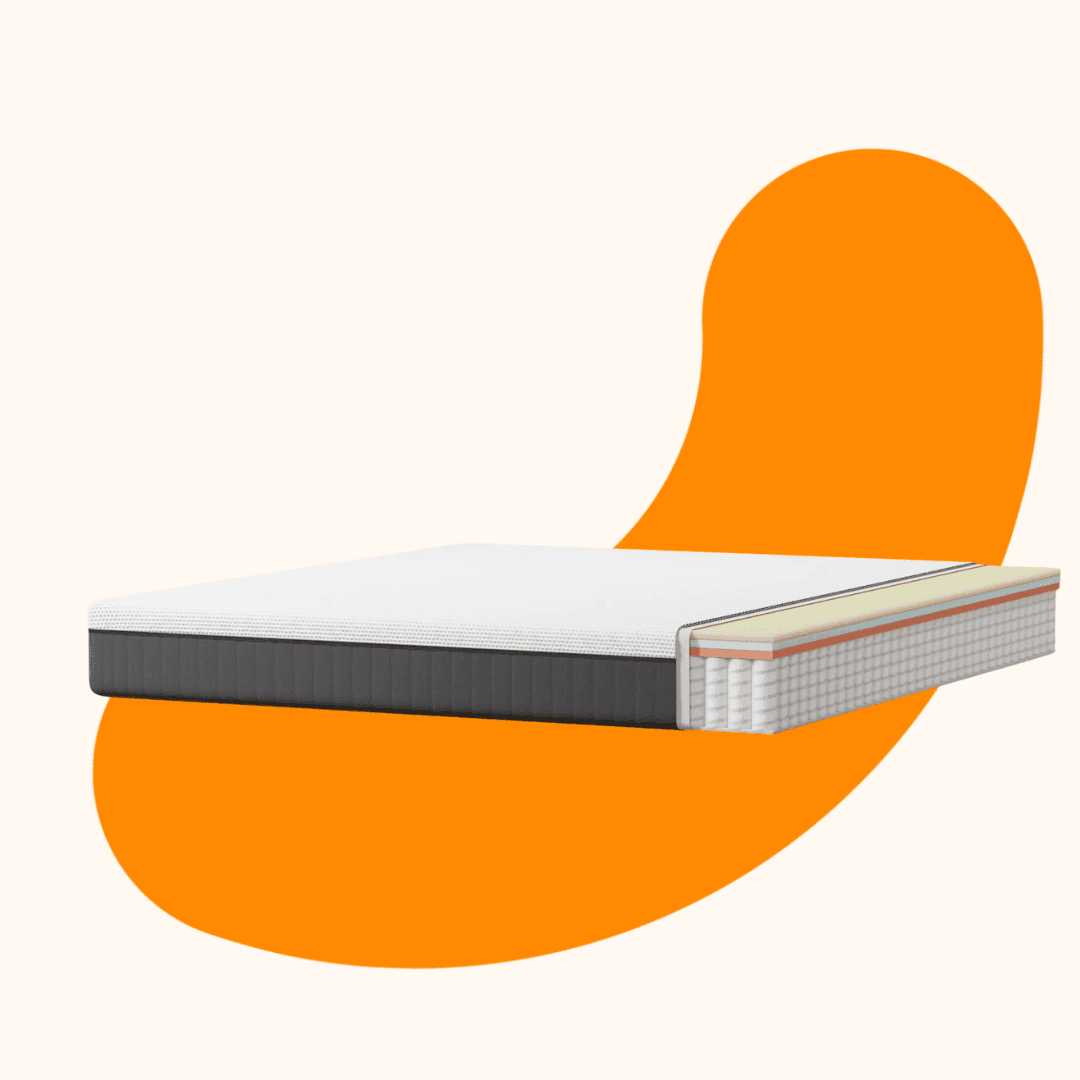
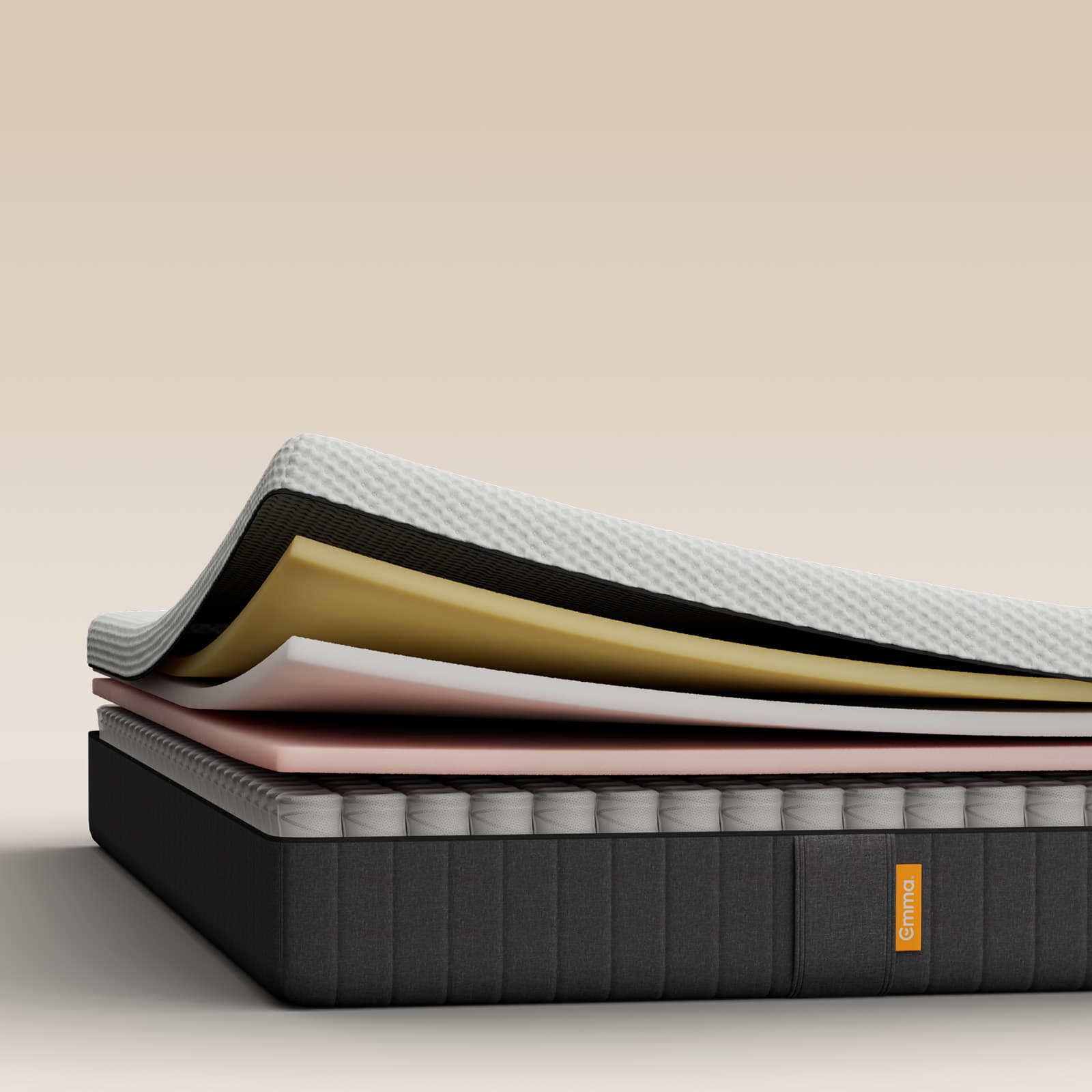
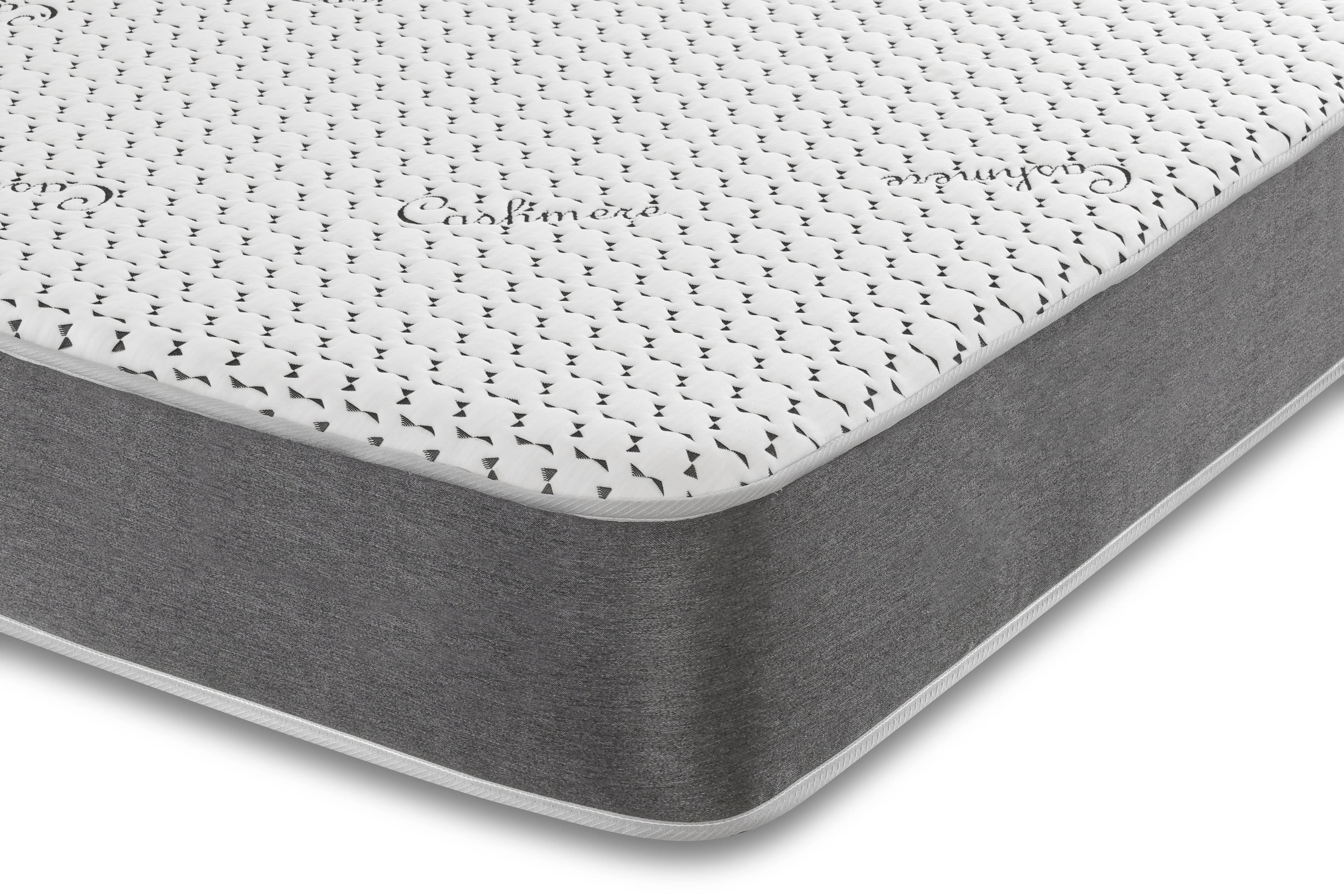
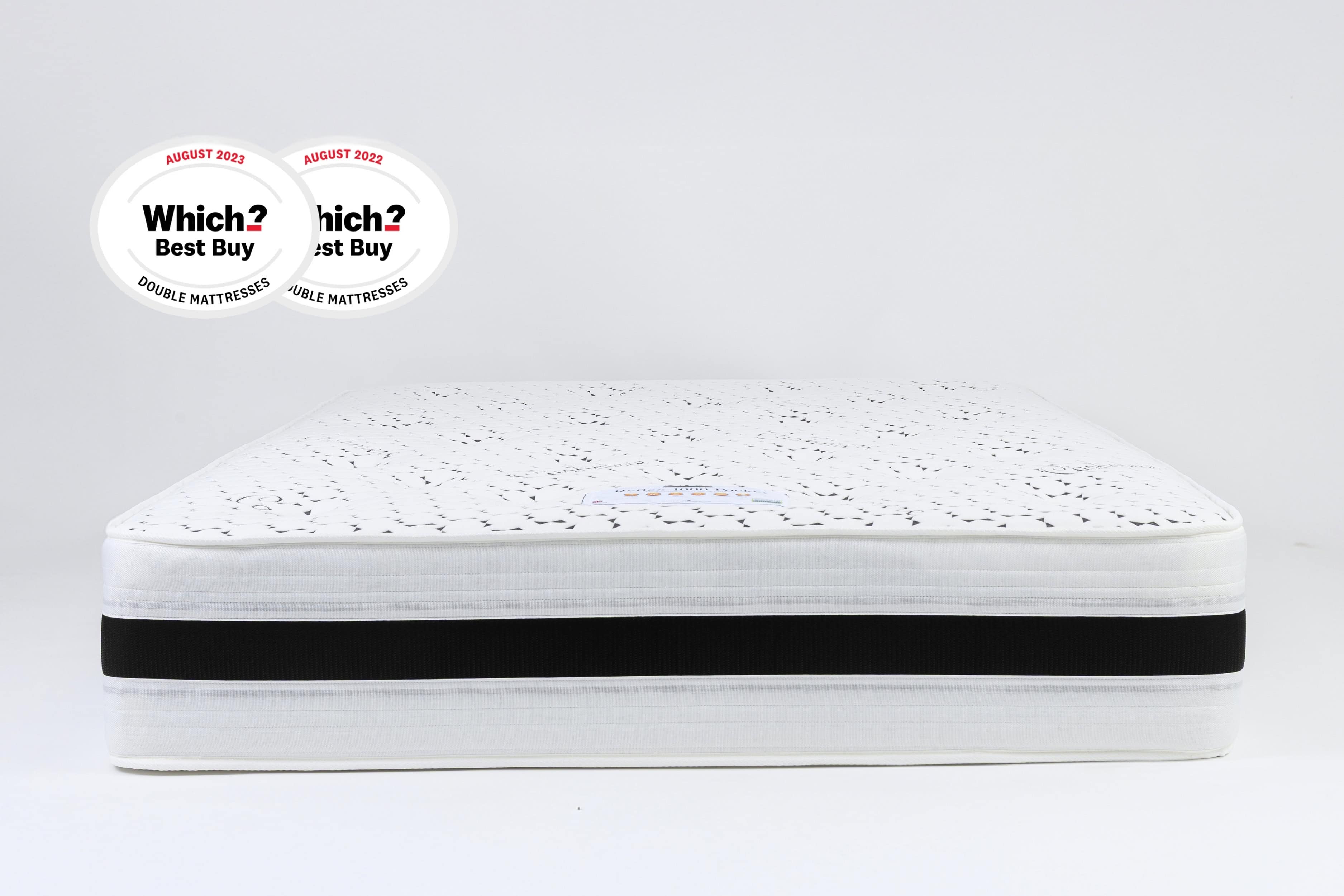
Twenty-eight centimetres: 1000 pocket springs beneath a reflex foam comfort layer, under a quilted cover. Each spring is housed in its own fabric pocket so it compresses independently of its neighbours, which is what allows a sprung mattress to contour to your body at all.
The spring count is worth putting in context. A thousand springs in a double is a solid, mainstream specification; the jump to 2000 in the Imperial 2000 buys finer contouring rather than more support. Above about 2000, spring count becomes a marketing number more than an engineering one.
Comfort and support
We score it 8.2 for support and 8.0 for comfort. The 8.0 is the lowest comfort figure of any £399 mattress we list, and it reflects a real characteristic rather than a defect: reflex foam pushes back where memory foam would give, so there is less cushioning at the shoulder and hip.
Back sleepers do well – the springs hold the pelvis level and the reflex layer keeps the surface even. Combination sleepers do best of all, because a sprung mattress lets you change position without having to climb out of a foam impression first. Side sleepers will find it firmer than ideal unless they are on the heavier side.
Temperature
Good. The 1000-spring layer creates an open cavity for air to move through, and reflex foam is less insulating than memory foam because you rest on it rather than in it. There is no cooling technology, but the structure does the work – this sleeps cooler than any all-foam mattress at the price.
Edge support and motion isolation
Edge support is good, as it is on most pocket-sprung builds: the perimeter springs hold their shape when you sit on the side. Motion isolation is the weak spot, and it is the one place this mattress is clearly beaten at its price. Reflex foam over springs transmits movement noticeably more than the memory foam and natural filling combination in the Velour Hybrid, so this is not the mattress for a bed shared with a restless partner.
Durability, trial and warranty
Pocket springs and reflex foam are both durable choices – this should be among the longer-lived mattresses at its price. Expect 9–10 years of nightly use. The 100-night trial and 10-year warranty apply. Rotate head-to-toe quarterly; sprung mattresses need less frequent rotation than those with natural fillings.
Our verdict
An honest, well-built traditional mattress that does exactly what its specification says. If you actively prefer the feel of springs to foam, buy it – nothing else at £399 gives you 1000 pocket springs and 28cm of depth with a 100-night trial behind it. If you have no strong feeling either way, the Luxe Velour Hybrid costs the same, scores higher on comfort and isolates motion better, which makes it the easier recommendation for most people.