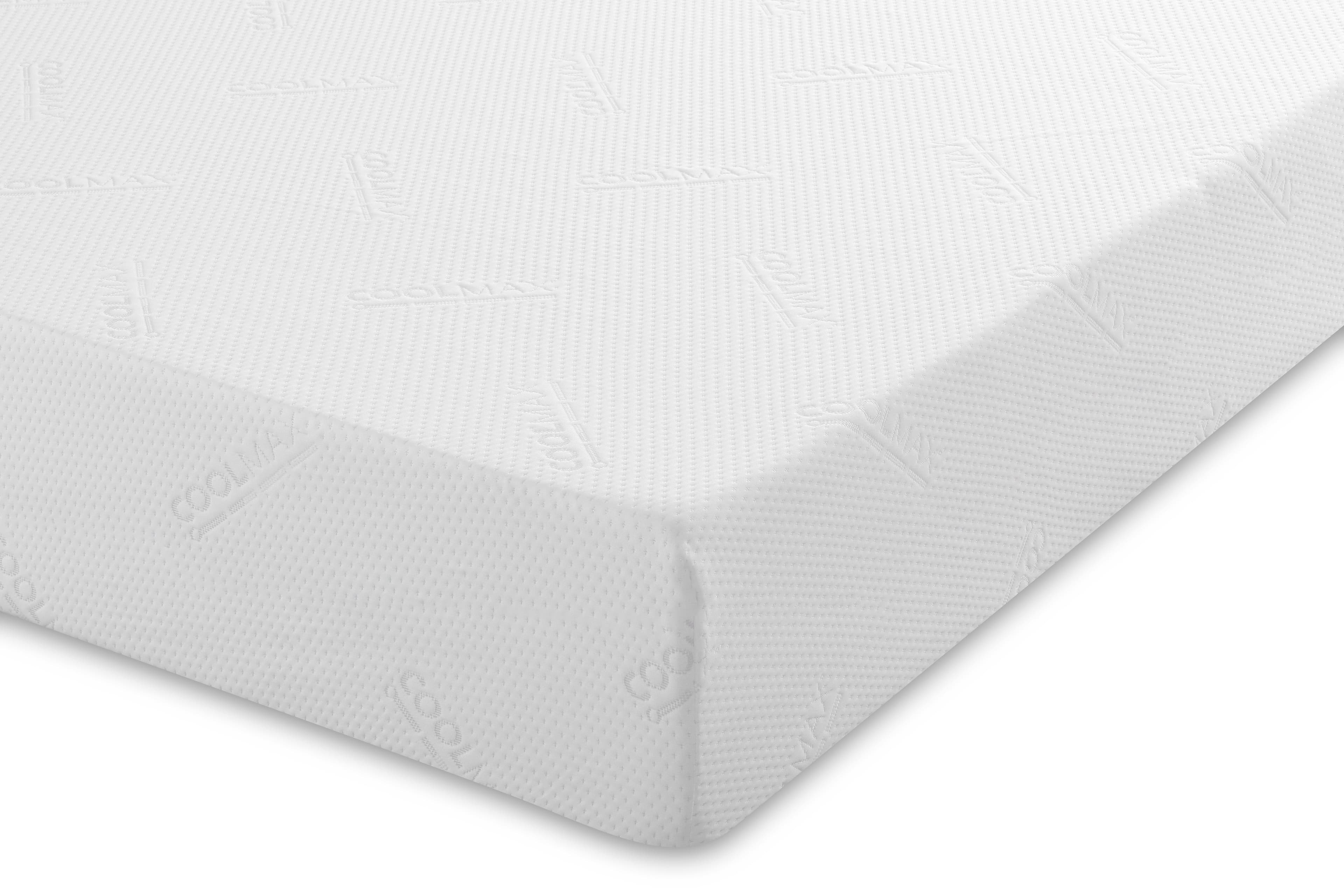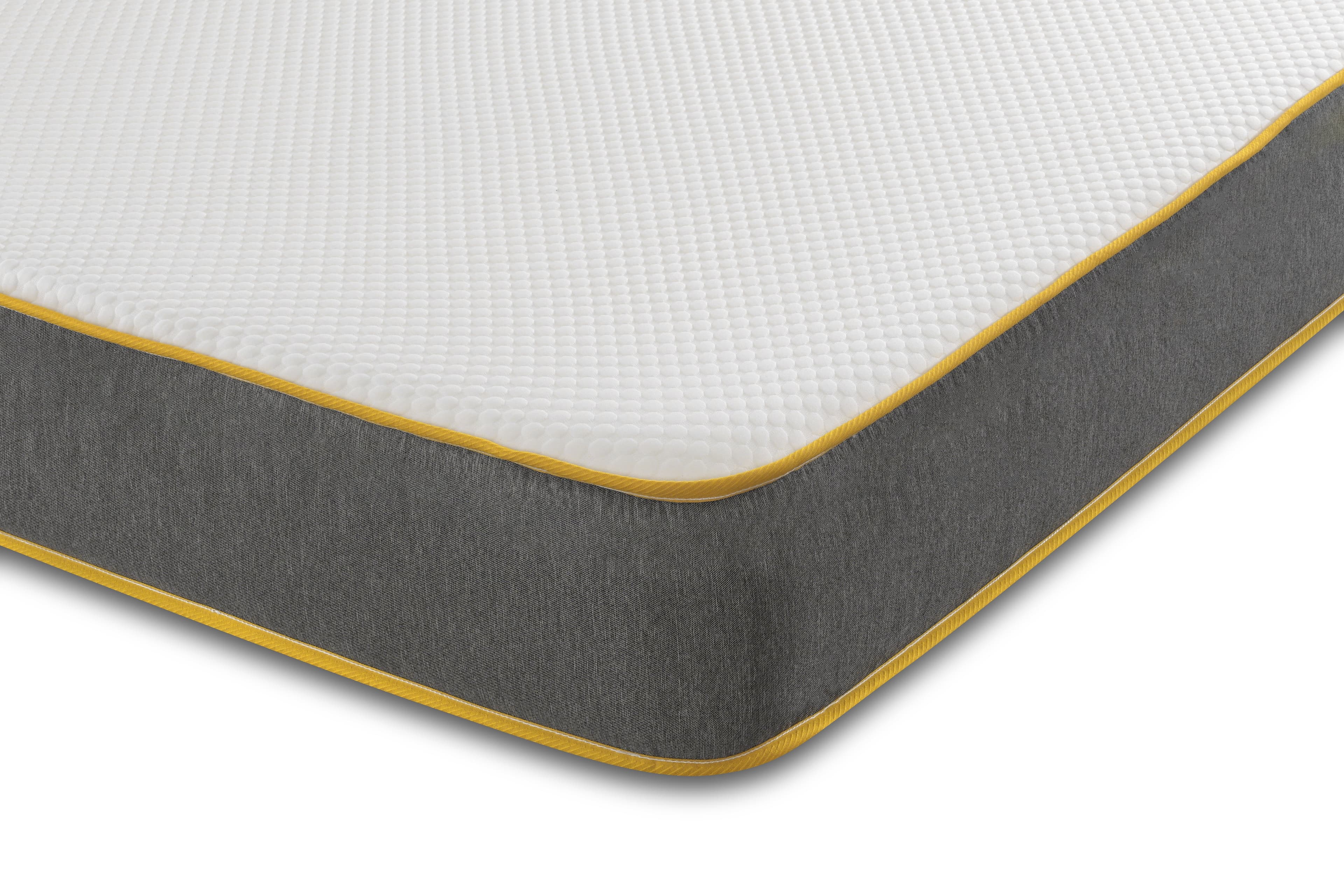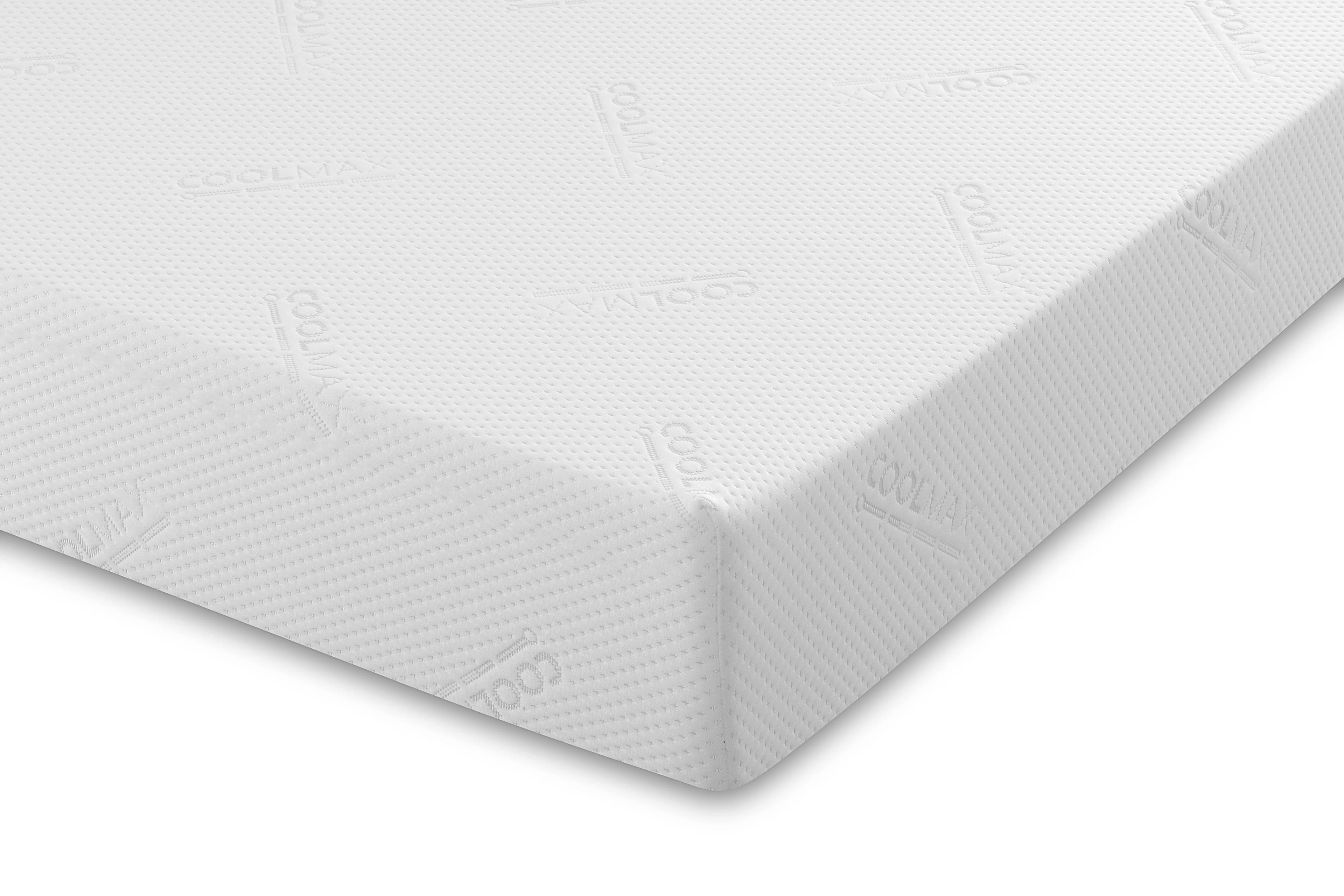
The headline differences#
Pocket spring mattresses use individually wrapped steel springs as the primary support and comfort system. Memory foam mattresses use layers of viscoelastic foam throughout. Both can produce excellent sleep, they just feel and perform differently in ways that matter to different sleepers.
Support and alignment#
Pocket springs: Individual springs respond independently to pressure points across the sleep surface. Under a heavier hip, adjacent springs compress more; under a lighter shoulder, less. This creates naturally zoned support without engineering, higher spring counts produce finer-grained zoning.
Memory foam: Contours uniformly across the surface in response to heat and pressure. Modern foam mattresses with waffle-cut or zone-differentiated base layers can approximate zoned support, but traditional foam responds to all pressure points similarly.
Temperature regulation#
Pocket springs: clear winner. The air space between springs provides natural ventilation. Pocket spring mattresses sleep significantly cooler than memory foam. This is the most consistent complaint about memory foam and the primary reason many hot sleepers opt for springs or hybrids.
Memory foam: Dense foam traps body heat. Gel infusions and open-cell formulations (like Emma's Airgocell) mitigate this, but memory foam mattresses still sleep meaningfully warmer than pocket spring alternatives.
Motion isolation#
Memory foam: clear winner. Foam absorbs movement at source. Your partner's midnight repositioning barely registers on your side of the mattress. This is the primary advantage of memory foam for couples where one partner is a light sleeper.
Pocket springs: Individual springs reduce motion transfer significantly compared to open-coil, but some movement transmission remains. The coil connections and fabric pockets transmit vibration in a way that foam cannot.
Durability#
Quality pocket springs: Tempered steel springs maintain their form for 10–15 years if the mattress is rotated regularly. Premium springs (as in Hypnos or Vi-Spring) last significantly longer.
Memory foam: Quality foam (high-density) can last 8–10 years. Budget foam compresses within 4–5 years. Memory foam durability is more variable than spring durability and more dependent on foam quality.
Price#
Quality pocket-spring mattresses and quality memory foam mattresses are comparably priced in the mid-range (£400–£800 for a double). At the budget end, entry-level memory foam is often cheaper than entry-level pocket-sprung. At the premium end, natural-filling pocket-spring mattresses (Hypnos, Vi-Spring) are the most expensive category in the UK market.
The verdict by sleep type#
- Hot sleeper: Pocket springs or hybrid
- Side sleeper with joint pain: Memory foam or hybrid with foam comfort layer
- Couples with motion sensitivity: Memory foam
- Back sleeper: Either, depending on firmness preference
- Heavier sleeper (over 15 stone): Pocket springs or hybrid