Different designs for different priorities#
Simba and Nectar represent different schools of mattress philosophy. Simba's Hybrid is designed to bridge the gap between foam comfort and spring responsiveness. Nectar's Original is a deep, pressure-focused memory foam mattress with the UK's longest trial policy. Choosing between them comes down to whether you prioritise temperature and responsiveness (Simba) or pressure relief and trial-period security (Nectar).
The numbers#
| Simba Hybrid | Nectar Original | |
|---|---|---|
| Type | Hybrid | All-foam |
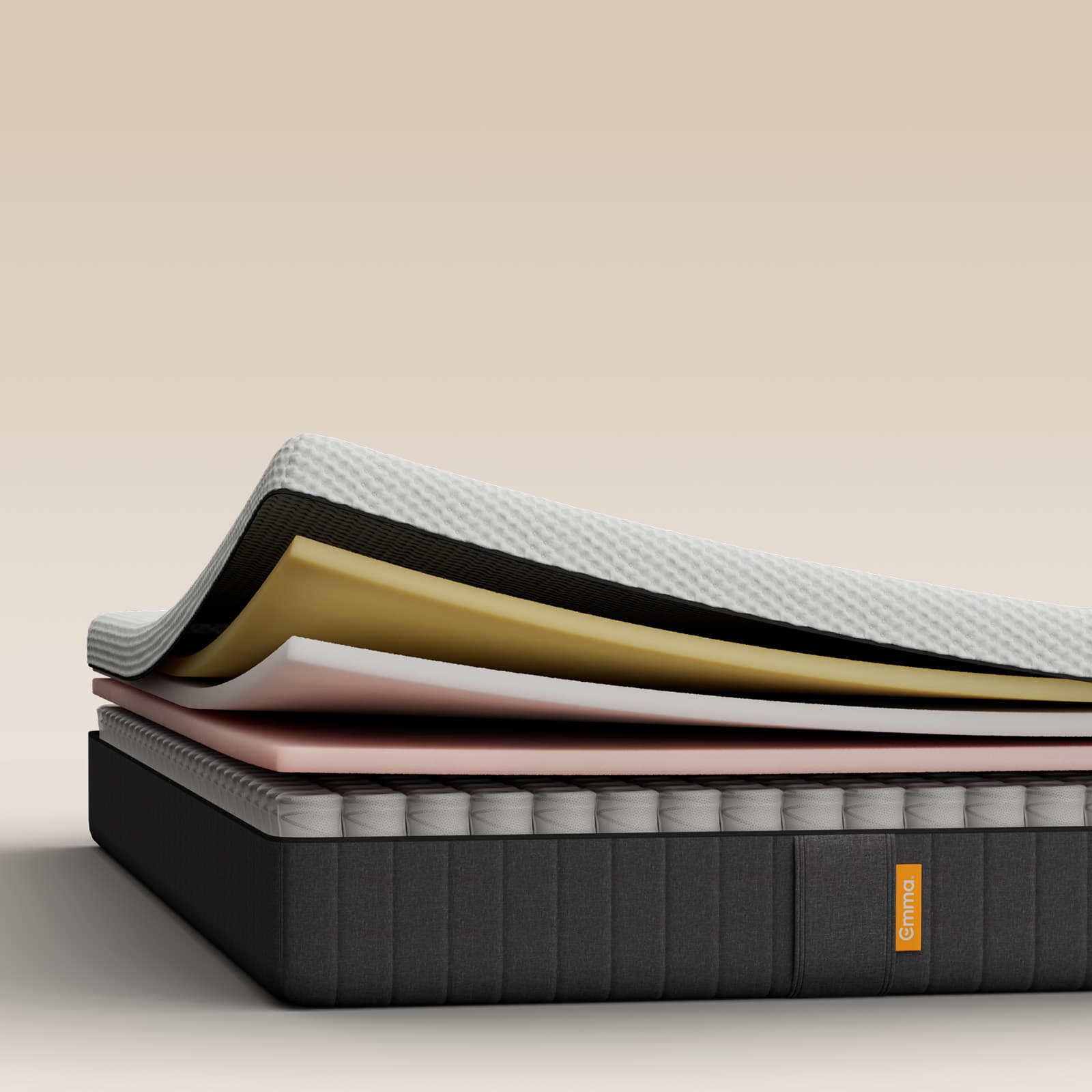
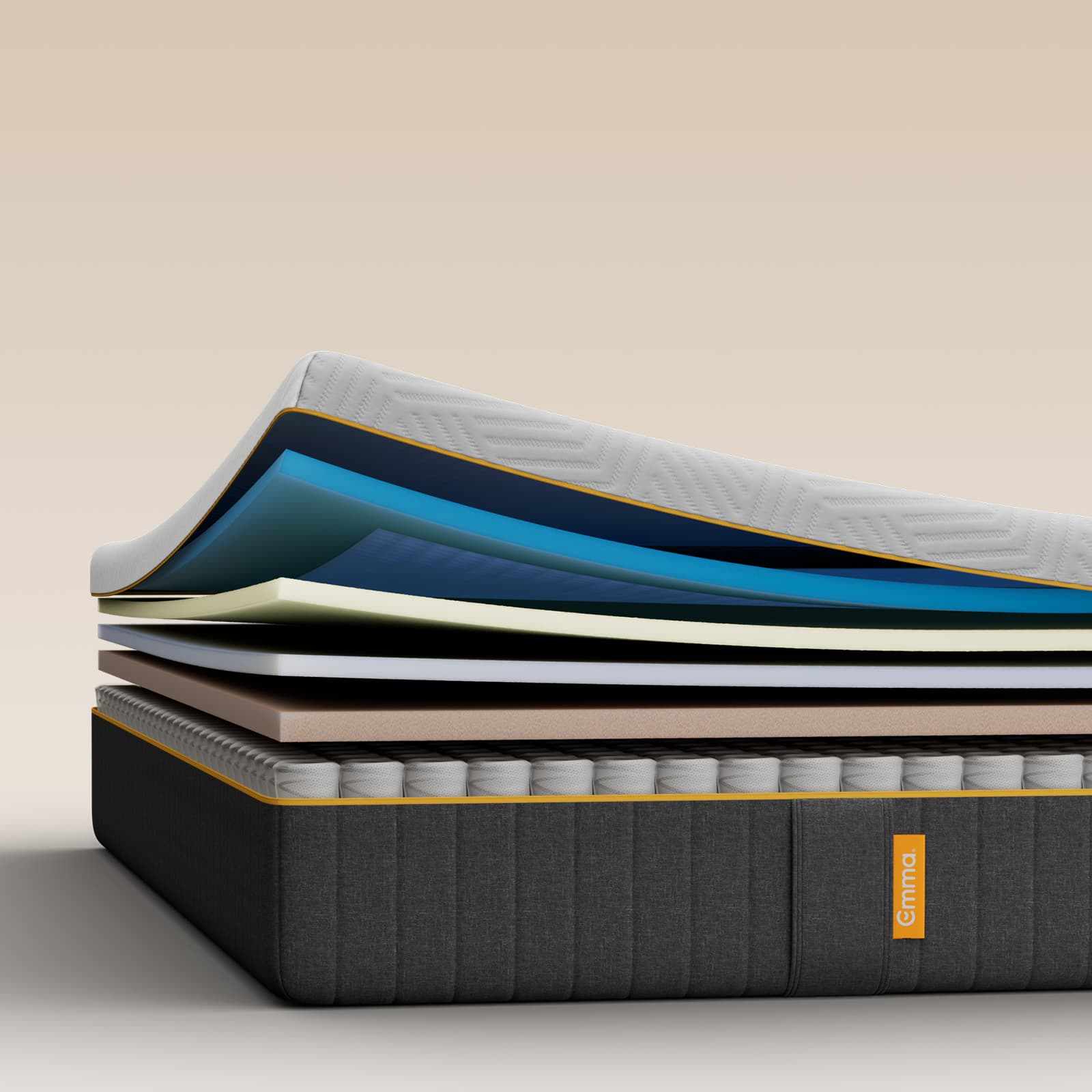
| Top layer | Open-cell Simbatex foam | Gel memory foam (quilted) |
| Springs | Micro-springs + pocket springs | None |
| Cover | Quilted knit | Tencel (breathable) |
| Trial | 200 nights | 365 nights |
| Guarantee | 10 years | Lifetime |
Guarantee: Nectar's "forever warranty"#
Nectar's lifetime warranty is a genuine distinction, no other major UK brand offers anything comparable on a standard model. The conditions are reasonable (normal use, no physical damage, proper mattress base). Combined with the 365-night trial, Nectar's purchase protection is the best available in the UK market.
Temperature: Simba wins#
The spring layers in the Simba Hybrid create airflow that prevents heat build-up. Nectar's all-foam construction retains heat more, despite the Tencel cover and gel layer. For hot sleepers, Simba is a meaningfully better choice.
Pressure relief: Nectar wins#
Nectar's deeper gel memory foam provides more pronounced body contouring and pressure relief than Simba's foam-topped hybrid. For side sleepers with shoulder or hip sensitivity, Nectar's pressure relief is superior.
Who should choose Simba?#
Hot sleepers; back and combination sleepers who want responsiveness; those who want a spring-backed feel.
Who should choose Nectar?#
Side sleepers with pressure point sensitivity; those who value the security of a year-long trial and lifetime warranty; budget-conscious buyers who want quality foam.
What the trial and warranty are actually worth#
Nectar's 365-night trial and lifetime guarantee are the headline difference, and they are genuinely unusual. They are worth less than they sound in one respect and more in another.
Worth less, because almost nobody needs a year. If a mattress is wrong for you, you will know inside a month or two - the discomfort shows up in how you feel in the morning, not in month nine. A 200-night trial and a 365-night trial are, in practice, both "long enough".
Worth more, because a long guarantee changes what happens at the other end of the mattress's life. Foam mattresses fail by sagging, and sagging is progressive: it appears somewhere around year seven or eight and gets worse. A guarantee that is still in force at that point is the one that matters. Read the sagging threshold in the terms, though - guarantees are normally written against a specified depth of permanent indentation measured with the mattress unweighted, and a mattress that feels dead can still sit inside the threshold.
If you sleep hot but need pressure relief#
This is the awkward case, because the comparison above points in two directions at once: the hybrid is the cooler mattress, the memory foam is the more contouring one. A few things resolve it in practice:
- Deal with the bedding first. A memory foam mattress under a polyester-filled duvet and a fitted polyester sheet will sleep hot whatever the cover claims. Natural fibres in the layers touching you make a larger difference than most people expect, and cost far less than changing the mattress.
- Separate "hot" from "trapped". Heat that builds because you are enveloped by foam is a contouring problem; heat that builds in a warm bedroom is a ventilation problem. Only the first is solved by buying a hybrid.
- Consider where the pressure actually is. If the complaint is a dead arm or an aching shoulder, you need give in the top few centimetres, which is the foam's job. If it is your lower back, you need support underneath, which is the spring layer's.
Our cooling mattress guide goes through the materials that genuinely change sleeping temperature, and the mattresses we score can be filtered by type if you want independently scored alternatives to both.
Frequently asked questions#
Is a lifetime guarantee really for life?#
It lasts as long as you own the mattress, and it covers manufacturing failure - typically sagging beyond a stated depth - not wear, stains or damage. It is only enforceable if you have kept proof of purchase and used a supporting base, so keep the receipt and check what base the terms require.
Does a memory foam mattress need a different base?#
It needs continuous, even support: a solid platform, or a slatted base with gaps no wider than about 7 cm. Wide-slatted bases let foam sag between the slats, which both ruins the feel and voids most guarantees. Spring mattresses are more tolerant of wide slats, but not immune.
Which is better for couples?#
All-foam mattresses isolate movement better, so a restless partner is less disruptive; hybrids recover faster, so getting in and out of bed is easier and the mattress feels less "stuck". If one of you sleeps hot and the other does not, that usually decides it before motion does.
Will either suit a heavier sleeper?#
Both compress further under greater weight, so both read softer than their stated firmness. Above roughly 16 stone, a sprung support layer generally holds its shape longer than an all-foam core, which is a point in favour of the hybrid - see our guide for heavier sleepers.