Why menopause disrupts sleep#
Hot flushes and night sweats are among the most common menopause symptoms, and they hit hardest at night, fragmenting sleep just when you need it most. Your sleep surface can't change your hormones, but it can stop trapping the heat your body is trying to shed, which makes a real difference to how often you wake.
How your mattress affects body temperature#
Research on mattress cushioning materials shows that what sits directly under you changes the temperature at the body-mattress interface, where heat tends to concentrate at the back, buttocks and thighs.1 Dense, slow-recovery foams that hug the body can trap this heat, while breathable, high-rebound and open structures let it escape. Choosing the right surface materials is the single biggest lever you control.
What to look for in a cooling mattress#
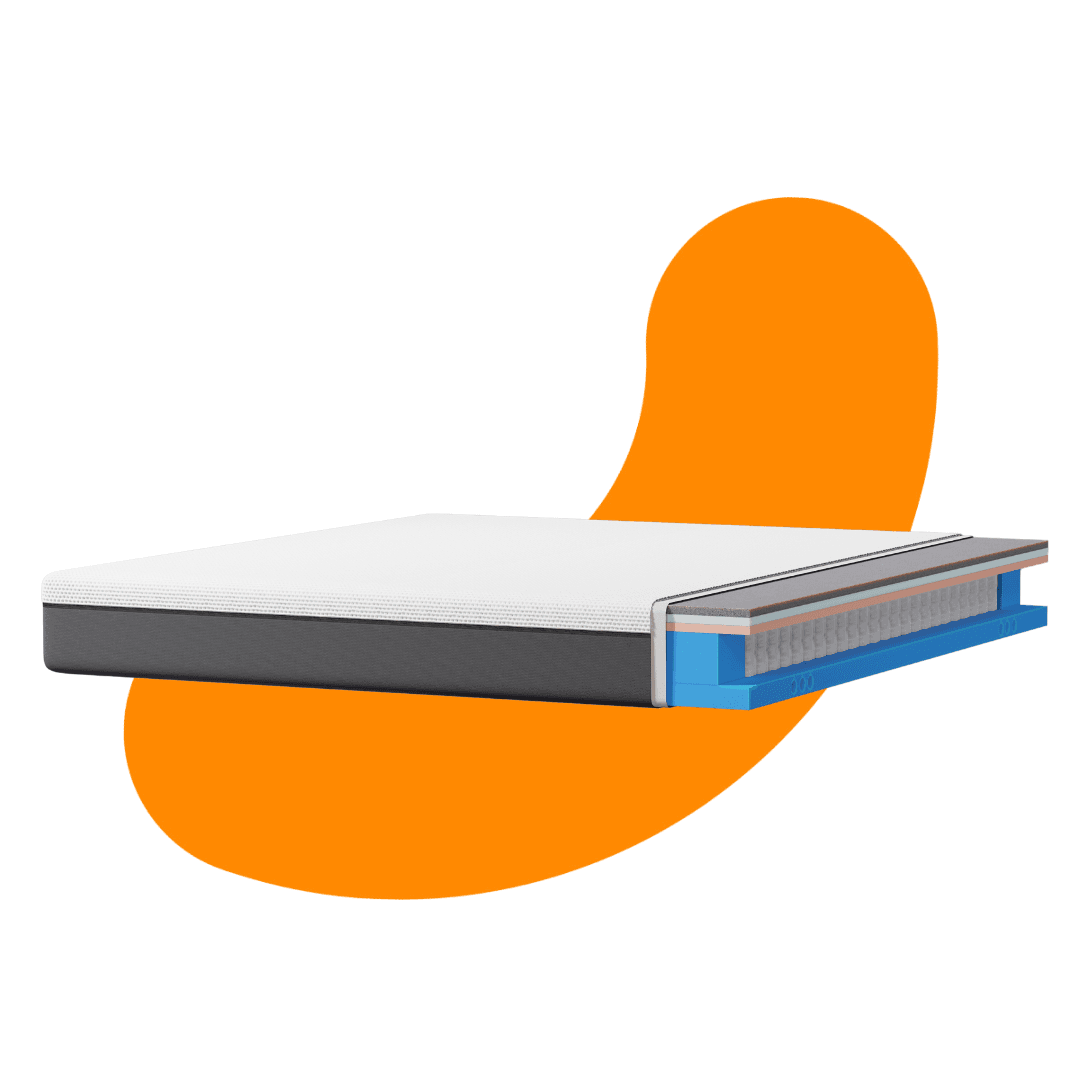
- Breathable construction: pocket-spring and hybrid mattresses move air through the core far better than dense all-foam blocks.
- Open, high-rebound comfort layers: latex and open-cell or CoolMax-style foams sleep cooler than traditional memory foam.
- Temperature-regulating covers: natural fibres such as wool and cotton, or phase-change and CoolMax covers, wick moisture and help dump heat.
- Less deep contouring: the more your body sinks in, the less surface is exposed to air, a slightly firmer, more responsive feel sleeps cooler.
Does active cooling help?#
For severe night sweats, actively temperature-controlled bedding is emerging as an option. A controlled study found that a temperature-regulating mattress cover increased slow-wave (deep) sleep compared with a normal night, suggesting that managing surface temperature can measurably improve sleep depth.2 For most people, though, a breathable mattress plus good bedding is the practical first step.
Best mattress types for night sweats#
- Hybrid: the best all-round choice, spring airflow plus a cooler comfort layer.
- Latex: naturally breathable and responsive, with an open-cell structure that resists heat build-up.
- Pocket sprung: excellent airflow, choose a breathable natural-fibre cover.
- Memory foam: only if it is open-cell or gel-infused with a cooling cover, classic dense memory foam tends to sleep warm.
Beyond the mattress#
Pair a cooling mattress with breathable natural-fibre bedding, a moisture-wicking mattress protector (avoid plasticky waterproof layers that trap heat), a cool, dark bedroom and lighter nightwear. These low-cost changes compound with the mattress to keep you below the threshold that triggers a wake-up.
See our full cooling mattress guide, browse breathable hybrids, or take our quiz for a personalised match.
References#
- Li L, Zhou X, Wu Y, et al. Exploring the effect of mattress cushion materials on human-mattress interface temperatures, pre-sleep thermal state and sleep quality. Indoor and Built Environment. 2021;30(5):650–667. doi:10.1177/1420326X20903375
- Moyen NE, Ganio MS, Burchfield JM, et al. A temperature-controlled mattress cover increases slow-wave sleep. SLEEP. 2023;46(Suppl 1):A100. doi:10.1093/sleep/zsad077.0227