The price gap#
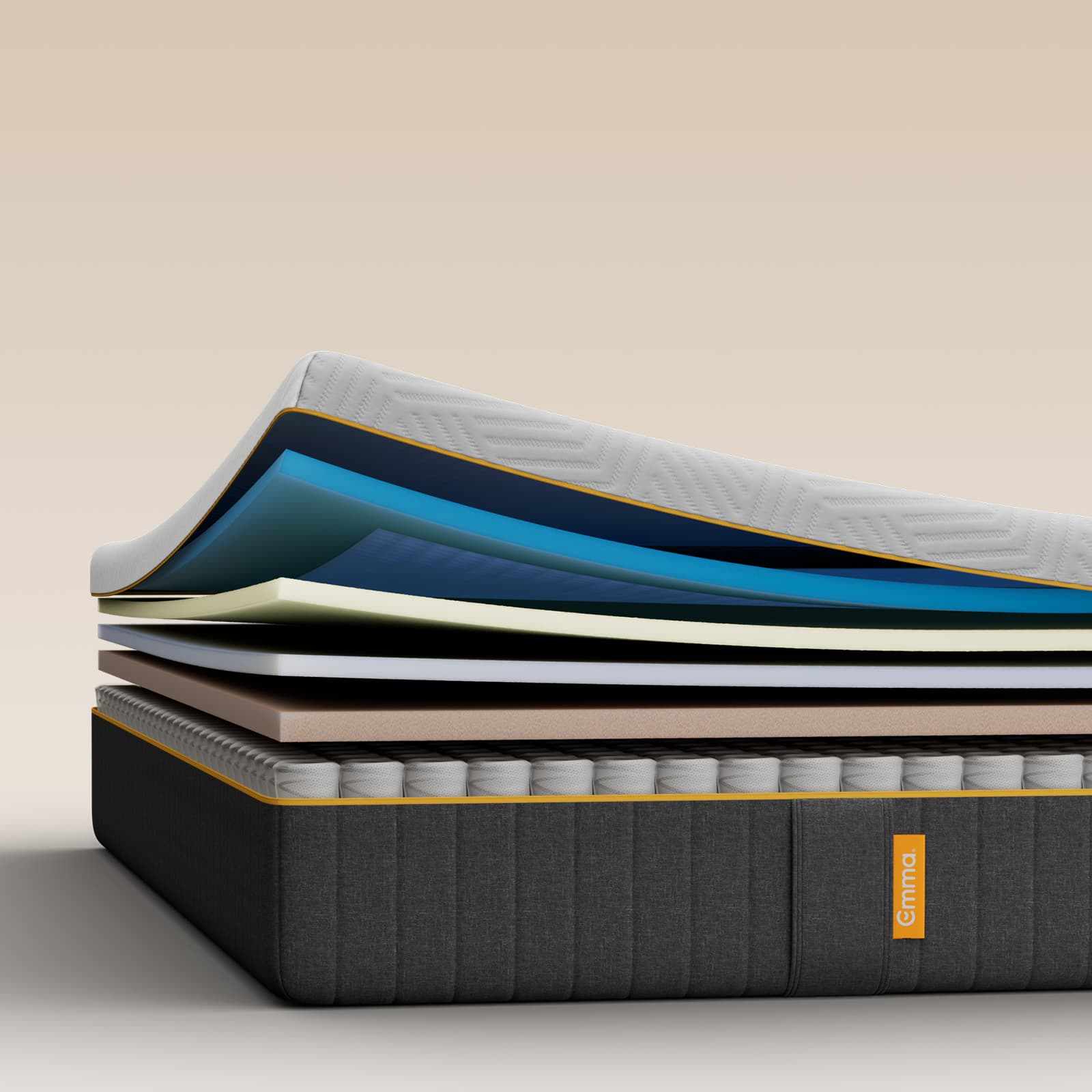
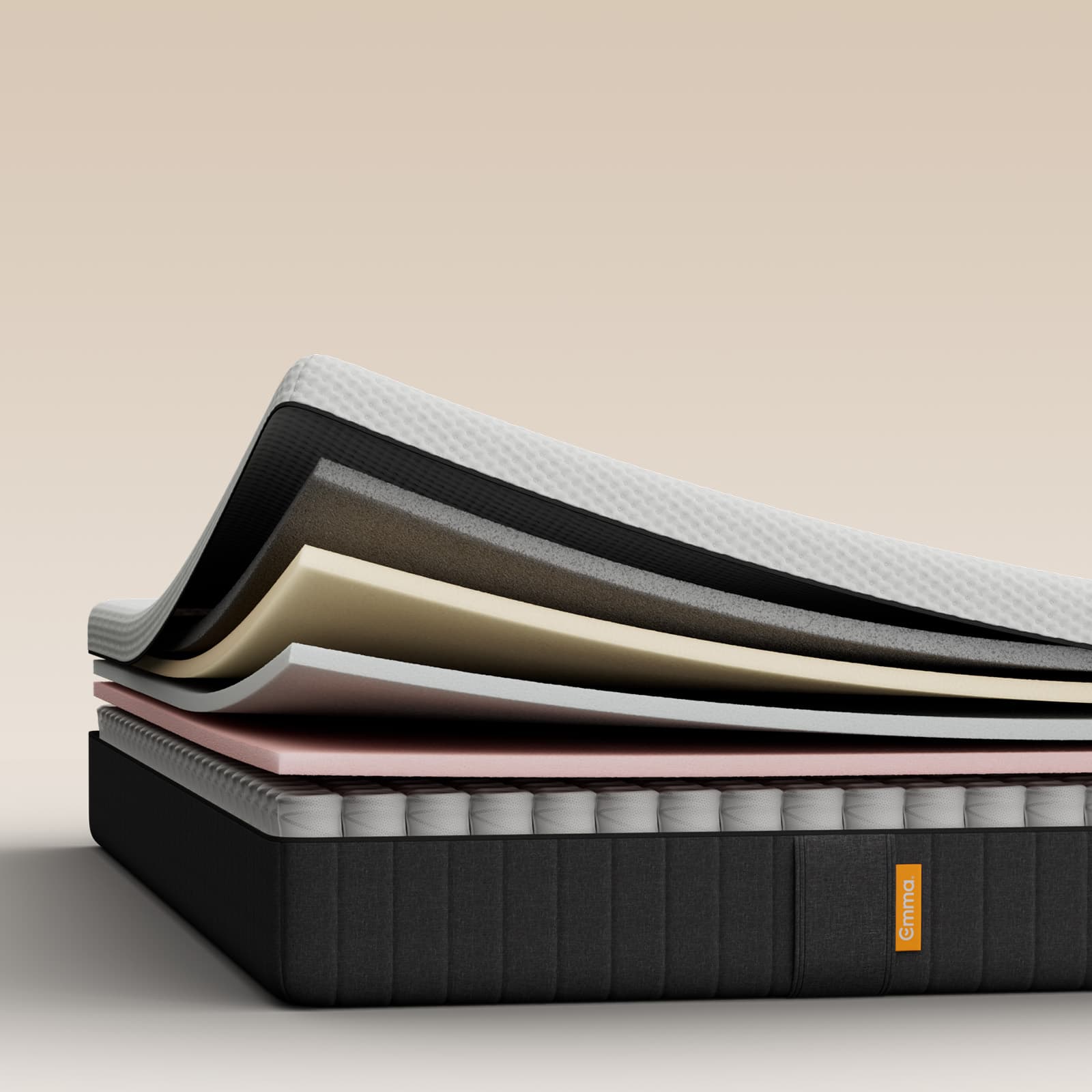
Emma Original: typically £350–£500 for a double on sale. Tempur Original: £1,500–£2,000 for a double. The question of whether Tempur is "worth it" depends entirely on what you're paying for and whether you need it.
Where Tempur genuinely wins#
Material quality: TEMPUR material is a proprietary viscoelastic formulation that is demonstrably different from (and superior to) generic memory foam. Third-party testing has consistently shown TEMPUR foam maintains its properties longer and provides more consistent pressure distribution than standard memory foam alternatives, including the foam in the Emma Original.
Pressure relief: For sleepers with chronic pressure-related pain, arthritis, fibromyalgia, joint conditions, the precision of TEMPUR material provides relief that Emma's Airgocell and memory foam combination may not match. This is a meaningful clinical advantage for a specific population.
Durability: TEMPUR material develops body impressions more slowly than generic foam. A Tempur mattress maintained well is expected to perform well for 10–15 years; Emma's foam may begin showing wear at 7–9 years. Over 15 years, the cost-per-night difference narrows considerably.
Where Emma is comparable#
General comfort: For the average sleeper without specific pressure-relief needs, Emma's Airgocell foam provides excellent comfort. Most average-weight sleepers sleeping on both mattresses could sleep well on either.
Trial and guarantee: Emma's 200-night trial matches or exceeds Tempur's 30-night in-store trial. Emma's 10-year guarantee is shorter than Tempur's 10-year guarantee, effectively identical.
Temperature: Emma's Airgocell foam is more breathable than TEMPUR material. Tempur's traditional construction sleeps warm. Hot sleepers may actually prefer Emma.
The verdict#
For sleepers with chronic joint or pressure pain who have been unsatisfied with standard mattresses and can afford the price difference, Tempur is worth serious consideration. For the majority of UK sleepers who sleep well on a good quality foam mattress, the Emma Original provides 80–90% of the comfort benefit for 20–25% of the price. The price gap is not primarily about comfort for average sleepers, it's about clinical-grade pressure relief and long-term durability.
Working out the cost per night#
The price gap is the whole question here, and it is easier to think about over the life of the mattress than at the till. Using the figures above - roughly £350-£500 for an Emma double on sale against £1,500-£2,000 for a Tempur double, with an expected 7-9 years against 10-15 - the arithmetic is straightforward.
At £450 over eight years, the Emma costs somewhere around 15p a night. At £1,750 over twelve years, the Tempur costs around 40p. The premium is real, but it is roughly the price of a coffee a fortnight rather than the four-times-the-price gap the sticker suggests. Whether that is worth paying depends entirely on whether you are in the group that feels the difference.
Two cautions on the arithmetic. It assumes you keep the mattress to the end of its useful life rather than replacing it because it was the wrong choice - which is an argument for the longer trial, not the more expensive mattress. And it assumes the cheaper mattress genuinely lasts its term; a mattress on an inadequate base fails years early regardless of what it cost.
How to test the difference before committing#
These two are bought in different ways: one is sold online with a long trial, the other is usually available to lie on in a shop. Use both routes for what they are good at.
- In a showroom, lie down properly. Ten minutes in your actual sleeping position, shoes off, with a pillow of similar height to yours at home. Sitting on the edge tells you nothing.
- What a showroom cannot tell you is how a mattress sleeps at 4am, how hot it gets under your duvet, or how it feels after three weeks. That is what a home trial is for, and it is the strongest argument for the online option if you are uncertain.
- If pressure pain is the reason you are shopping, pay attention specifically to whether the shoulder and hip settle in rather than to first-impression comfort. Mattresses that feel luxurious for two minutes are not always the ones that relieve pressure for eight hours.
Before you spend the difference#
If chronic pressure pain is driving the decision, two things are worth checking first, because both are cheaper and both are commonly the actual problem: the base under the mattress, and the pillow. A sagging or wide-slatted base undermines any mattress at any price, and a pillow at the wrong loft produces neck and shoulder pain that no mattress fixes. Our guide to the best mattress for back pain covers what the evidence actually supports on firmness, and the selector quiz is a faster way to narrow the field on support needs and budget together.
Frequently asked questions#
Is Tempur worth it for an average sleeper with no pain?#
On comfort alone, the case is weak - a well-made foam mattress at a quarter of the price satisfies most sleepers. The case strengthens with chronic pressure-related pain, and with how long you intend to keep the mattress.
Does memory foam get softer over time?#
It softens with use, yes, and it softens faster where you lie. That is the mechanism behind body impressions, and it is why density matters more than thickness for how long a foam mattress lasts.
Will either sleep too hot?#
Dense viscoelastic foam holds heat more than open, breathable foam does, so traditional memory foam is the warmer of the two constructions. If you sleep hot, look at the comfort layer and the cover before the brand - see our cooling mattress guide.
Can I try a Tempur at home?#
In-store and online trial terms differ by retailer and change over time. Ask the specific retailer what their home trial allows before you buy, and get it in writing - the trial terms are part of what you are paying for.