Why mattress type matters#
The internal construction of a mattress determines how it feels, how long it lasts, how well it regulates temperature and how much it costs. Each type has genuine strengths and weaknesses. Understanding the differences makes it much easier to narrow down your options before you buy.
Memory foam mattresses#
Memory foam (also called viscoelastic foam) was developed by NASA in the 1960s. It responds to heat and pressure, moulding to your body shape and then slowly returning to its original form. This "slow response" is the key characteristic of memory foam.
Best for: Pressure relief, pain sufferers, couples who disturb each other (good motion isolation), lighter sleepers.
Not ideal for: Hot sleepers (traditional memory foam traps heat), those who like a bouncy or responsive feel, heavier sleepers who may struggle to change position.
UK brands: Tempur, Nectar, Dormeo.
Pocket sprung mattresses#
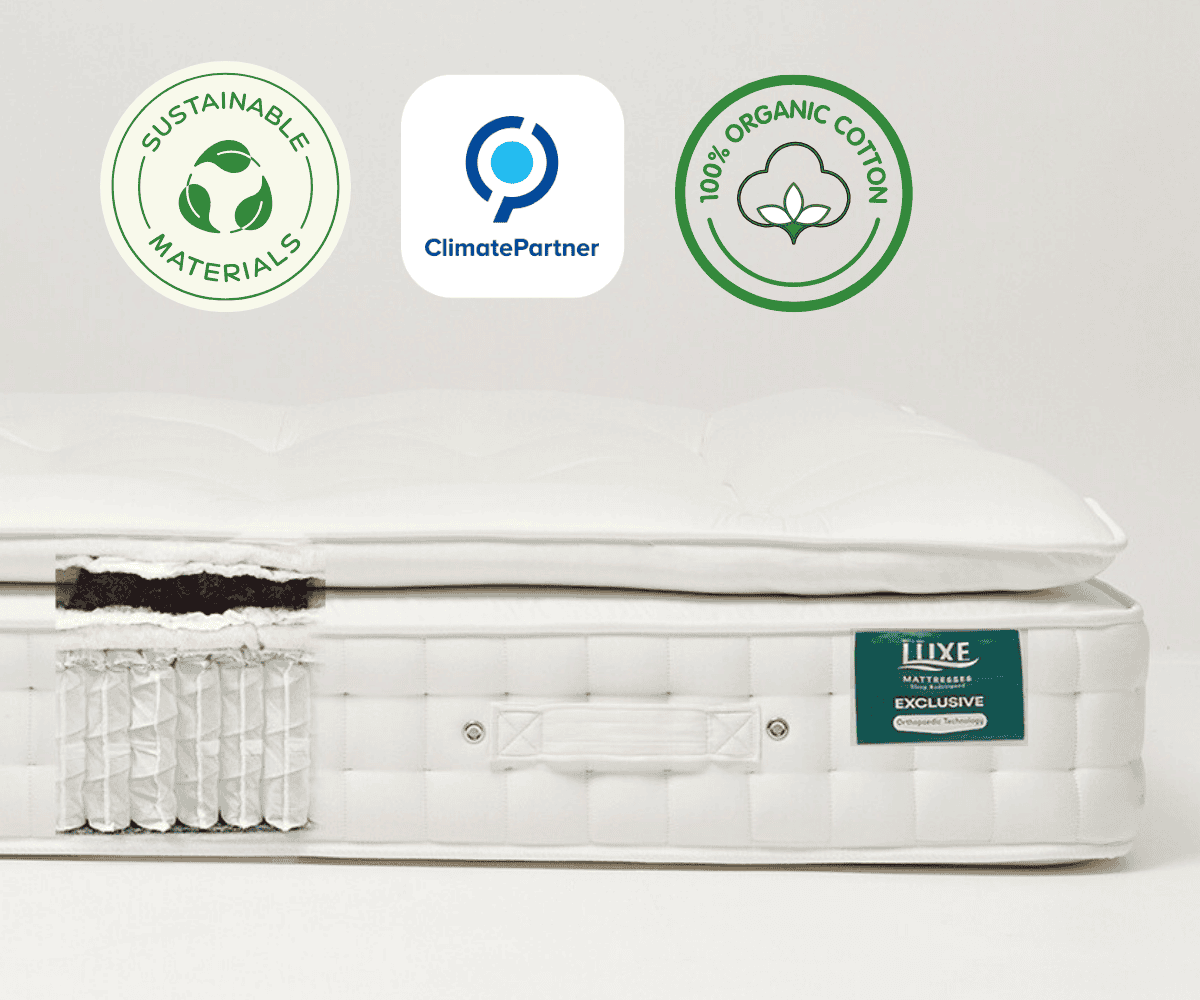
A pocket-sprung mattress contains individual fabric-encased springs (pockets). Because each spring acts independently, they contour to your body without the whole mattress moving. The number of springs (spring count) is often marketed heavily, but quality of the springs and the gauge of the wire matter more than quantity.
Best for: Traditional feel, good airflow (cooler sleeping), longevity, those who prefer a more responsive surface.
Not ideal for: Pressure-relief seekers (springs don't conform as closely as foam), couples who need strong motion isolation.
UK brands: Silentnight, Hypnos, Vi-Spring, Sealy.
Hybrid mattresses#
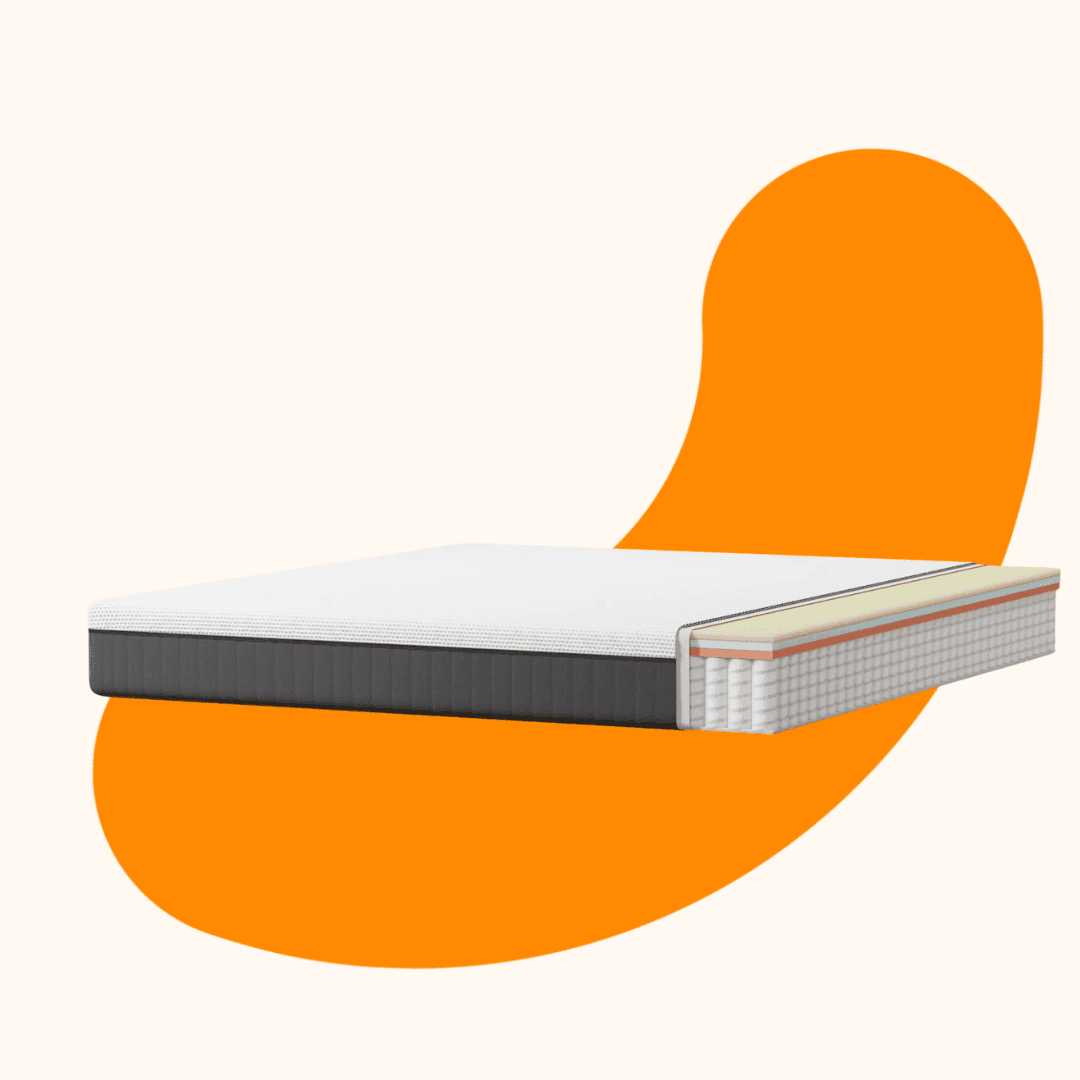
A hybrid combines a pocket-sprung base with one or more comfort layers of foam, latex or gel foam on top. The springs provide support and airflow; the foam layer provides pressure relief and contouring. Hybrids are currently the fastest-growing segment of the UK mattress market, and for good reason, they offer the best of both worlds for most sleepers.
Best for: The widest range of sleepers. Couples, combination sleepers, those wanting good temperature regulation combined with comfort.
Not ideal for: Budget buyers (hybrids tend to cost more), those who specifically want the deep-contouring feel of all-foam.
UK brands: Emma, Simba, Casper, OTTY, Brook + Wilde.
Latex mattresses#
Latex is made from rubber tree sap (natural latex) or petrochemical compounds (synthetic latex). Natural latex is responsive, durable, breathable and naturally hypoallergenic, but also expensive. It has a slightly bouncy feel very different from memory foam.
Best for: Hot sleepers, allergy sufferers, environmentally-conscious buyers, those wanting a very durable mattress (natural latex can last 20+ years).
Not ideal for: Budget buyers, those with latex allergies (rare but real), those who prefer a slow-sinking feel.
UK brands: The Natural Bed Company, John Ryan by Design, Eve Sleep (latex options).
Gel foam mattresses#
Gel foam is memory foam infused with gel beads or gel layers. The gel helps conduct heat away from the body, addressing the main complaint about traditional memory foam. However, tests show that gel foam only marginally reduces sleeping temperature compared to standard memory foam, and the difference is less than switching to a hybrid or latex mattress.
Best for: Those who like memory foam but sleep slightly warm.
Which type is right for you?#
- You run hot at night → Hybrid or latex
- You have joint pain or want pressure relief → Memory foam or hybrid
- You want a traditional bouncy feel → Pocket sprung
- You want maximum longevity → Natural latex
- You want the best all-round option → Hybrid
- You're on a tight budget → Open-coil spring or entry-level foam
Browse our full mattress comparison to filter by type and find the best-rated options in each category.