Rotating vs flipping: what's the difference?#
These terms are often used interchangeably but mean very different things:
- Rotating: Turning the mattress 180 degrees on the same surface, so what was at the head of the bed is now at the foot. The mattress stays the same side up.
- Flipping: Turning the mattress over so the bottom becomes the top. Only possible with double-sided mattresses.
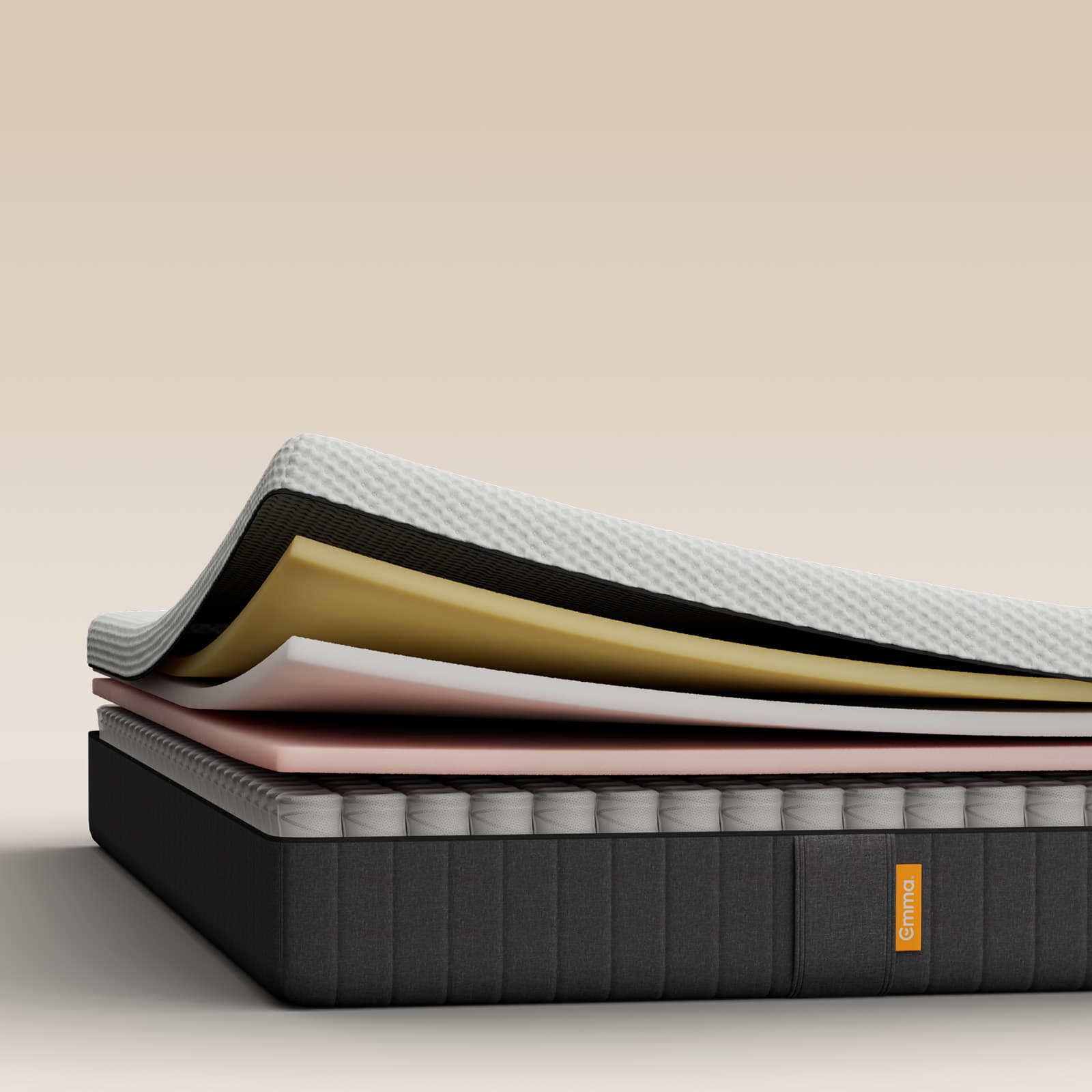
The vast majority of modern mattresses, including virtually all online mattress brands and most high-street brands, are one-sided and should never be flipped. They have specific support layers at the base that aren't designed to be slept on. Always check your mattress manufacturer's guidance.
Why rotation matters#
Most people sleep in the same position and on the same side of the bed every night. This creates uneven wear, with body impressions forming in the same area of the mattress. Rotating the mattress 180 degrees distributes this wear more evenly, extending the mattress's effective lifespan.
How often should you rotate?#
- First year: Every 3 months (the mattress is settling into use)
- After the first year: Every 6 months is sufficient for most mattresses
- Some manufacturers suggest: 2–4 times per year throughout ownership
Set a calendar reminder, it's easy to forget. A useful trick is to do it when you change your clocks (March and October in the UK) plus mid-summer and mid-winter.
How to rotate a mattress safely#
Mattresses are heavy and awkward. Follow these steps:
- Remove all bedding from the mattress.
- Get a second person to help, mattresses, especially king and super king sizes, are very difficult to handle alone safely.
- Stand on either side of the mattress and rotate it 180 degrees horizontally on the bed base. The key is to pivot the mattress slowly without bending or folding it, which can damage internal layers.
- For heavy mattresses (natural latex, deep hybrid models), consider using a mattress handle strap or asking for help from a third person.
- Reapply your mattress protector and bedding.
When not to rotate#
Some specialist mattresses should not be rotated:
- Mattresses with distinct zones (e.g., softer at the shoulder, firmer at the hip area) that are designed to align with specific parts of the body
- Adjustable bed mattresses with specific orientation requirements
- Always check your manufacturer's instructions first