Emma vs Simba: the quick answer#
Emma is better for side sleepers who want deep pressure relief and the softest possible price-to-quality ratio. Simba is better for back sleepers, hot sleepers, and those who want a more responsive, spring-like feel. Both are excellent, the right choice depends entirely on how you sleep.
Construction compared#
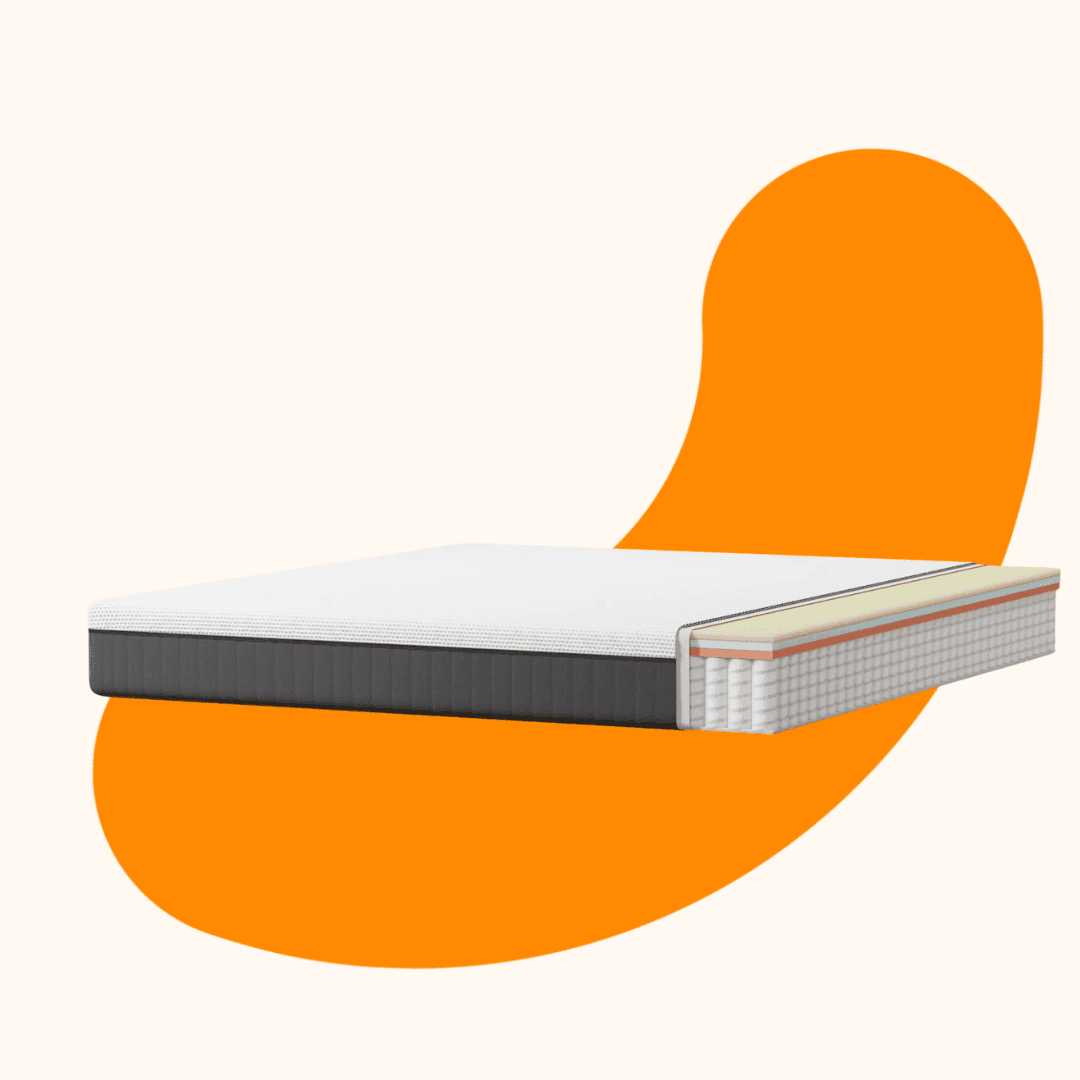
| Emma Original | Simba Hybrid | |
|---|---|---|
| Type | All-foam | Hybrid (foam + springs) |
| Depth | 25 cm | 25 cm |
| Top layer | Airgocell foam | Open-cell Simbatex foam |
| Unique layer | Memory foam | Titanium micro-springs |
| Base | Cold foam | Pocket springs + foam |
| Trial | 200 nights | 200 nights |
| Guarantee | 10 years | 10 years |
Feel and firmness#
Emma: Medium softness. The Airgocell foam has a medium-fast response but the memory foam layer beneath gives noticeable contouring and sink-in. Side sleepers love this, pressure on the shoulder and hip is redistributed gently. The overall feel is "soft but supported."
Simba: Genuine medium. The micro-spring layer adds pushback that the Emma lacks, making the surface feel more responsive. Position changes are easier. The overall feel is "bouncy and supportive" rather than enveloping.
Temperature: Simba wins#
This is the clearest difference between the two. The Emma Original is an all-foam mattress and retains heat more than the Simba. Simba's dual spring system (micro-springs + pocket springs) creates airflow that noticeably reduces heat build-up. For hot sleepers, Simba is the better choice. Average-temperature sleepers may not notice a meaningful difference.
Motion isolation: Emma wins#
Emma's all-foam construction absorbs movement better than Simba's hybrid. If your partner moves frequently in the night and you're a light sleeper, Emma's motion isolation is superior. Simba's springs transfer slightly more movement across the sleeping surface.
Edge support: Simba wins#
The foam perimeter and spring base give Simba better edge support than Emma's all-foam construction. If you sleep close to the edge or sit on the edge of the bed, Simba holds its shape better.
Value#
During sales (which are frequent from both brands), Emma is typically slightly cheaper for equivalent sizes. Simba's premium is justified by the hybrid construction and improved temperature regulation. For budget-focused buyers, Emma represents marginally better value. For hot sleepers or those who want a hybrid, Simba's premium is worthwhile.
Who should choose Emma?#
- Side sleepers who want maximum shoulder and hip pressure relief
- Light sleepers sharing a bed (superior motion isolation)
- Budget-priority buyers who want quality foam at the best price
Who should choose Simba?#
- Hot sleepers who need better temperature regulation
- Back sleepers who want a more responsive, supported feel
- Combination sleepers who change position frequently
- Those who prefer a traditional spring-like feel beneath foam comfort
Not sure which is right for you? Take our 60-second mattress quiz and we'll match you to the best option for your sleep style.