What memory foam does well#
Memory foam (viscoelastic foam) softens with body heat and moulds to your shape, spreading your weight and cradling pressure points at the shoulders and hips. That body-contouring is why side sleepers and pressure-pain sufferers often love it, and why all-foam mattresses are the most affordable route to genuine comfort, frequently under £200 in the UK.
The genuine drawbacks (and what's overblown)#
- Heat retention (real): dense foam restricts airflow and traps body heat. Material choice measurably changes the temperature at the body–mattress interface,1 so warm sleepers should choose open-cell or gel-infused foam, or read our cooling mattress guide.
- Slow response (real): the "stuck in the foam" feeling makes moving and combination sleeping harder. Latex or hybrid respond faster.
- Off-gassing (overblown): the new-foam smell is the release of volatile organic compounds. An indoor-air study of new memory-foam mattresses measured concentrations well below health benchmarks, fading over the first weeks.2 Air it for a day or two and it passes.
- Edge support (real): foam edges collapse more than springs, reducing usable surface.
Who memory foam suits#
Best for: side sleepers, lighter-to-average builds, anyone with pressure pain, couples wanting motion isolation, and budget buyers. Less ideal for: hot sleepers, heavier sleepers needing more support, and those who shift position a lot, who tend to prefer a hybrid. For a deeper look, see our memory foam pros and cons explainer.
How to choose a good one#
- Density: higher-density foam lasts longer but sleeps warmer, balance with an open-cell or gel layer.
- A breathable cover and a supportive base improve airflow.
- Medium feel suits most; firmer foam for heavier or back/stomach sleepers.
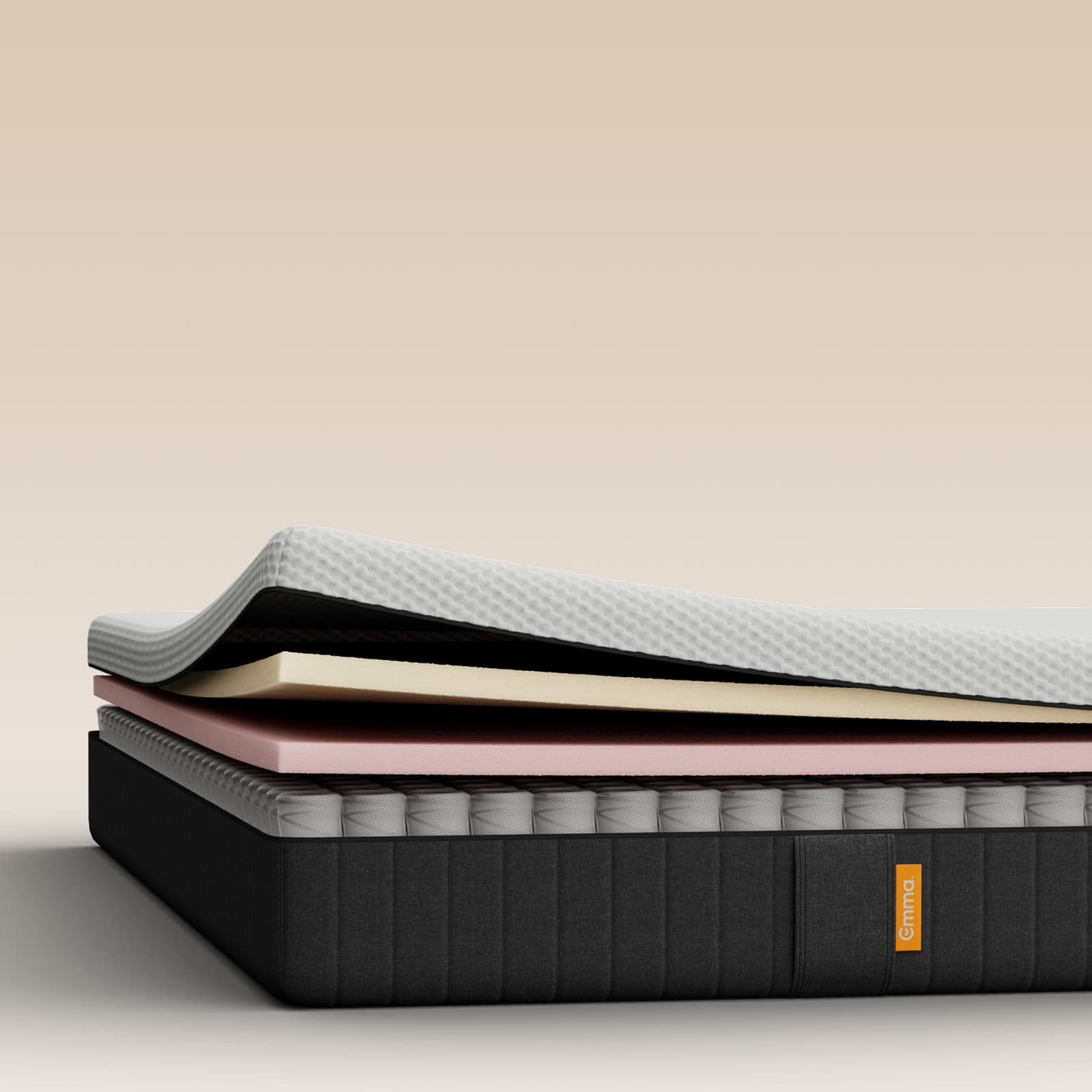
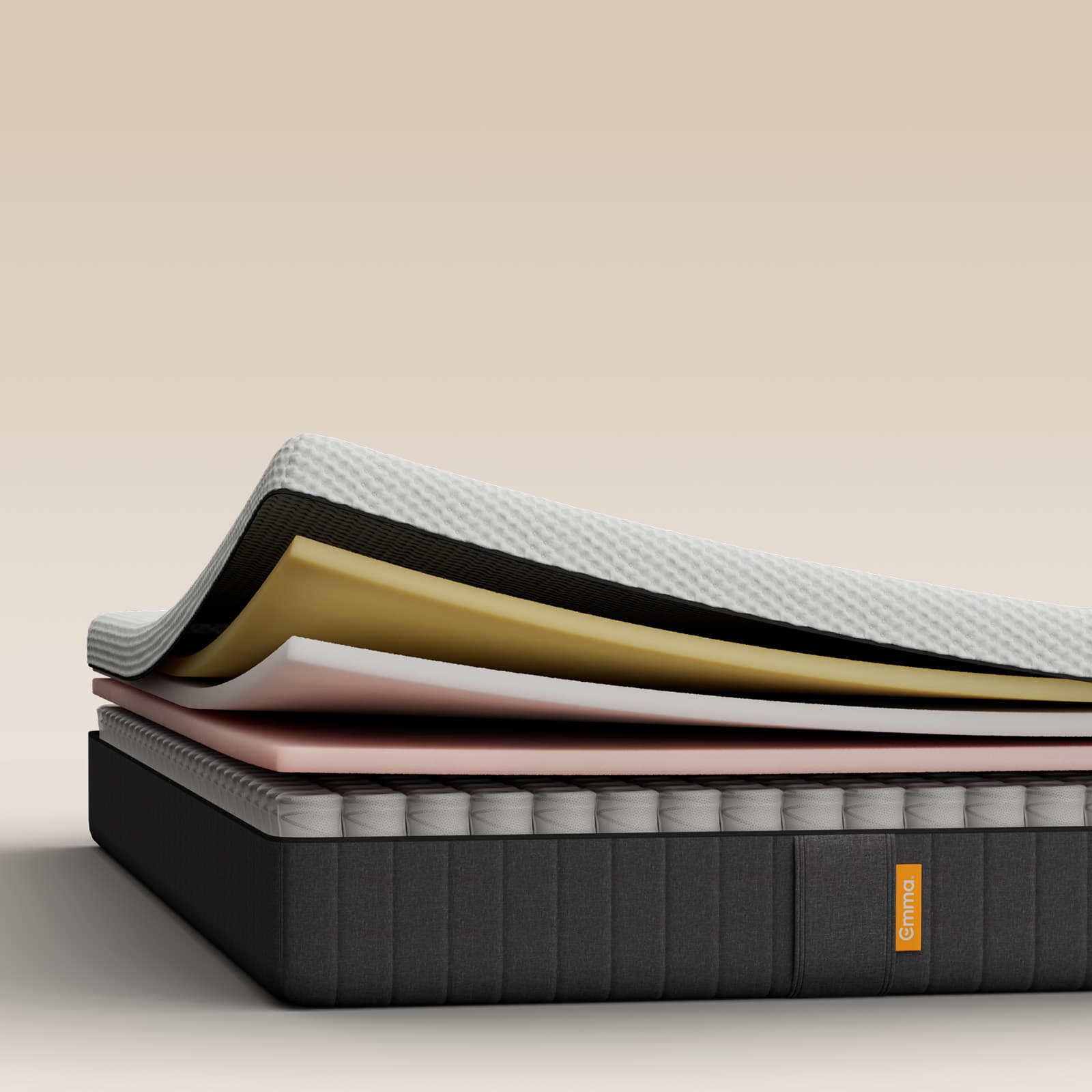
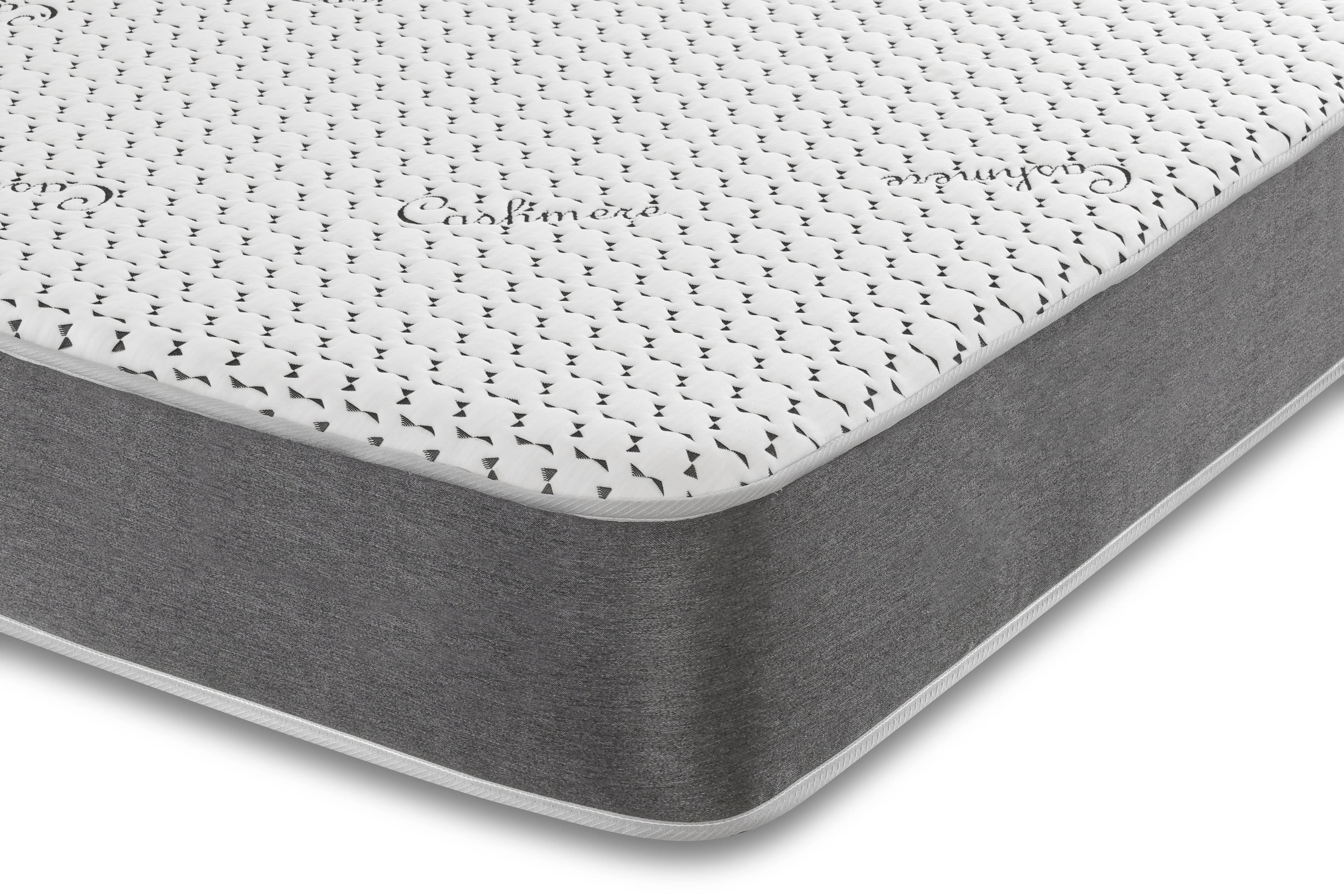
Good UK value: The Foam People build made-to-order all-foam and memory-foam mattresses from around £109, while Emma's foam range adds breathable open-cell layers.
Frequently asked questions#
Do memory foam mattresses sleep too hot?#
Traditional dense foam can. Open-cell and gel-infused versions reduce it, but if you run very warm a sprung or hybrid mattress is a safer choice.1
Is memory foam off-gassing dangerous?#
Research found VOC emissions from new memory-foam mattresses stayed well below health-based limits and decayed quickly.2 Ventilate the room for a day or two.
Compare foam options with live prices on our foam mattress page or take the quiz.
References#
- Li X, Zhou B, Wu Z, et al. Exploring the effect of mattress cushion materials on human–mattress interface temperatures, pre-sleep thermal state and sleep quality. Indoor and Built Environment. 2021;30(5):650–667. doi:10.1177/1420326X20903375
- Beckett EM, Miller E, Russman E, Pierce JS, Unice K. Evaluation of volatile organic compound (VOC) emissions from memory foam mattresses and potential implications for consumer health risk. Chemosphere. 2022;303:134945. doi:10.1016/j.chemosphere.2022.134945