Why stomach sleeping is challenging for spinal health#
Stomach sleeping (prone position) is the most challenging position for spinal health. When lying face-down, the lumbar spine is forced into hyperextension (excessive arching) and the neck is turned to one side to allow breathing, creating strain on both the lower back and the cervical spine. Over time, consistent stomach sleeping is associated with increased lower back pain and neck stiffness.
That said, around 10–15% of UK adults are habitual stomach sleepers and find it impossible to maintain another position. For these sleepers, the right mattress is crucial to minimising the damage and maximising comfort.
Why firmness is critical for stomach sleepers#
The primary risk for stomach sleepers is the hips sinking too deeply into the mattress. When this happens, the lumbar spine arches excessively, putting enormous strain on the facet joints and surrounding muscles. A firm mattress keeps the hips at the same level as the rest of the body, maintaining a flatter, safer spinal position.
A soft or medium mattress will allow the hips to sink, exacerbating the spinal extension. This is why stomach sleepers need the firmest mattresses of any sleeping position.
Recommended firmness for stomach sleepers#
- Under 11 stone (70kg): Medium to medium-firm, lighter stomach sleepers can use a slightly softer mattress
- 11–16 stone (70–100kg): Medium-firm to firm
- Over 16 stone (100kg+): Firm, maximum support to prevent hip sinkage
Best mattress types for stomach sleepers#
- Firm pocket sprung: Excellent choice. Provides the necessary support across the hip area with a relatively flat surface.
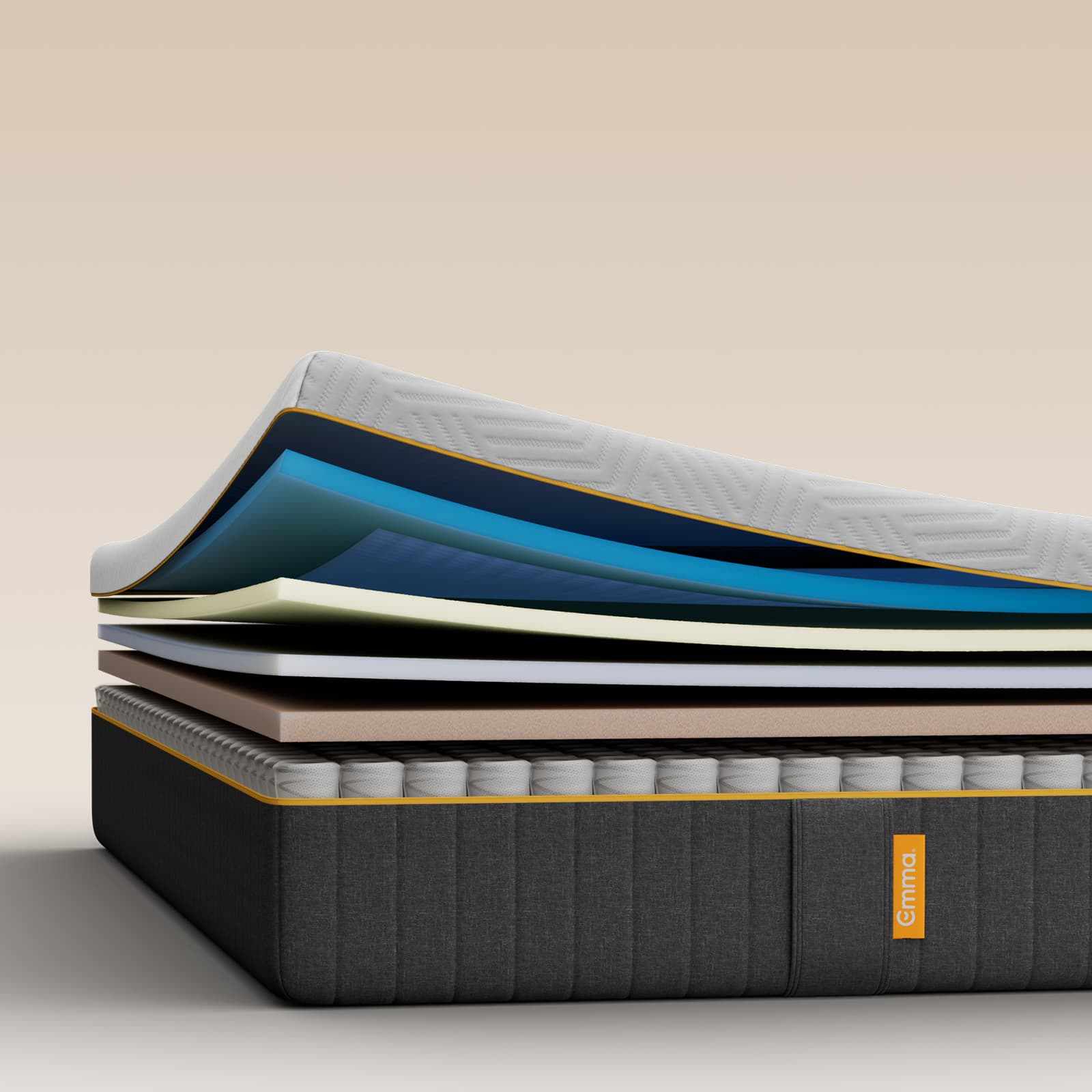
- Firm hybrid: Combines the spring support with a thin comfort layer that adds just enough cushioning without allowing sinkage.
- Avoid deep memory foam: Memory foam's contouring and slow response make it prone to allowing hip sinkage, the worst possible outcome for a stomach sleeper. If you prefer foam, choose a firm, high-density option with minimal memory foam depth.
Tips to reduce stomach-sleeping strain#
- Use a flat or no pillow: A thick pillow under the head increases neck extension. Either use a very flat pillow or no pillow at all.
- Try a pillow under the pelvis: Placing a thin pillow under your hips (not your abdomen) can slightly reduce lumbar hyperextension and relieve lower back strain.
- Consider transitioning: If you have significant back pain, work with a physiotherapist to gradually transition to side sleeping. It takes time, but reducing lumbar strain can be transformative for chronic back pain sufferers.