Why side sleepers have specific mattress needs#
Approximately 60% of UK adults sleep primarily on their side. While side sleeping is associated with health benefits (reduced acid reflux, less snoring, better lymphatic drainage), it creates two main pressure points: the shoulder (which is the widest part of the body when lying sideways) and the hip. If a mattress is too firm, these pressure points are compressed against a hard surface, causing pain and disrupted circulation. If it's too soft, the spine can sag into an S-curve, causing lower back pain.
The ideal mattress for a side sleeper allows the shoulder and hip to sink in enough to keep the spine level, while providing enough support beneath the hip to prevent excessive sinking. Below are the mattresses from our independently scored range that do this best, followed by the rules for choosing between them. We may earn a commission on links, at no extra cost to you; it never affects a score.
Our top picks for side sleepers#
| Mattress | Best for | Type | Firmness | Price (double) | Our score |
|---|---|---|---|---|---|
| Luxe Nova Hybrid | Best overall for side sleepers | Hybrid | Medium-soft | £449 | 8.5 |
| Emma Original | Best all-foam contouring | Memory foam | Medium | £469 | 8.8 |
| Tempure Velure Pillow Top | Best pillow-top feel | Memory foam | Medium-soft | £449 | 8.2 |
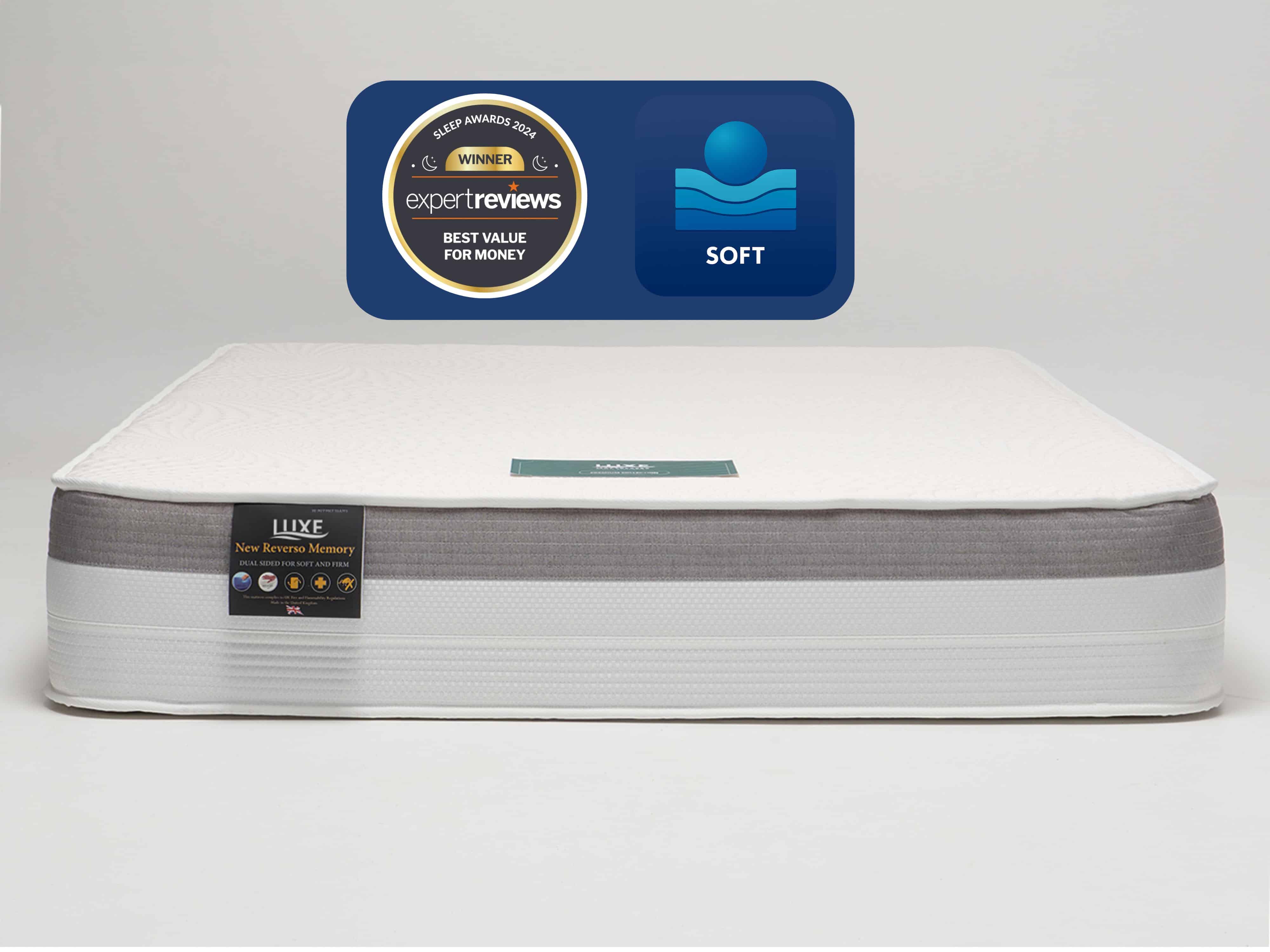
| Reverso Memory | Best soft budget pick | Memory foam | Soft | £329 | 8.1 |
| Tencel 1000 | Best soft sprung option | Pocket spring | Soft | £339 | 8.2 |
| Saffron Comfort Deep | Best under £200 | Memory foam | Medium | £174 | 8.5 |
Best overall for side sleepers: Luxe Nova Hybrid#
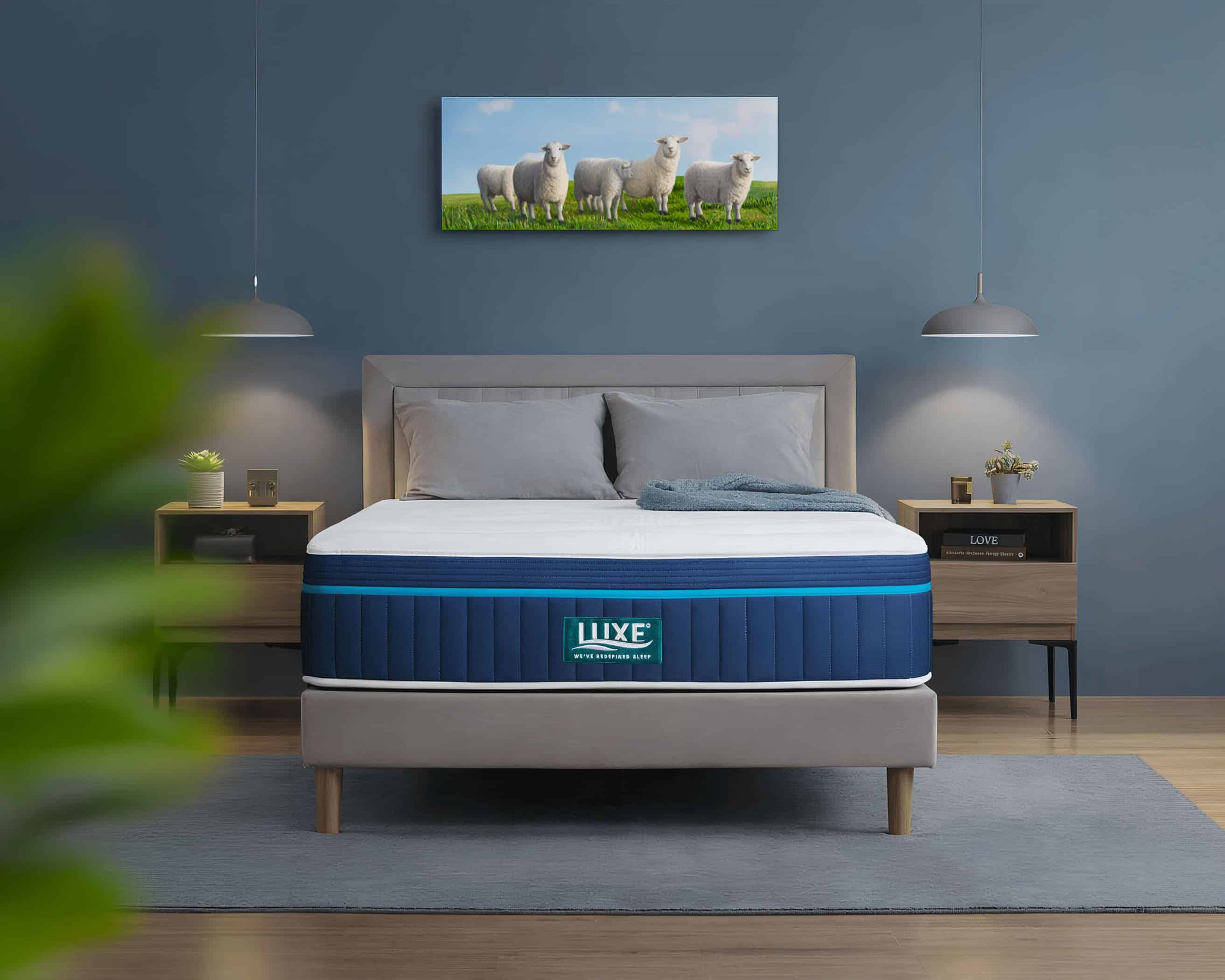
The Luxe Nova Hybrid is the only mattress we've scored a perfect 10 for comfort, and side sleeping is exactly why. Gel-infused memory foam and wool-and-silk fillings let the shoulder sink deep, while head-to-toe zoned Forticoil springs hold the hip level, the precise combination the alignment research calls for. Reinforced edges keep the full width usable, and at its regular £449 sale price it undercuts most rivals with this build quality. Read our full Nova Hybrid review.
Best all-foam contouring: Emma Original#
If you prefer the enveloping feel of foam, the Emma Original is the safest choice in the UK market. Its memory-foam middle layer cradles the shoulder while the firmer HRX base stops the hips bottoming out, and its true-medium feel means combination sleepers who roll onto their back stay supported too. A 200-night trial gives you two full seasons to be sure.
Best pillow-top feel: Tempure Velure Pillow Top#
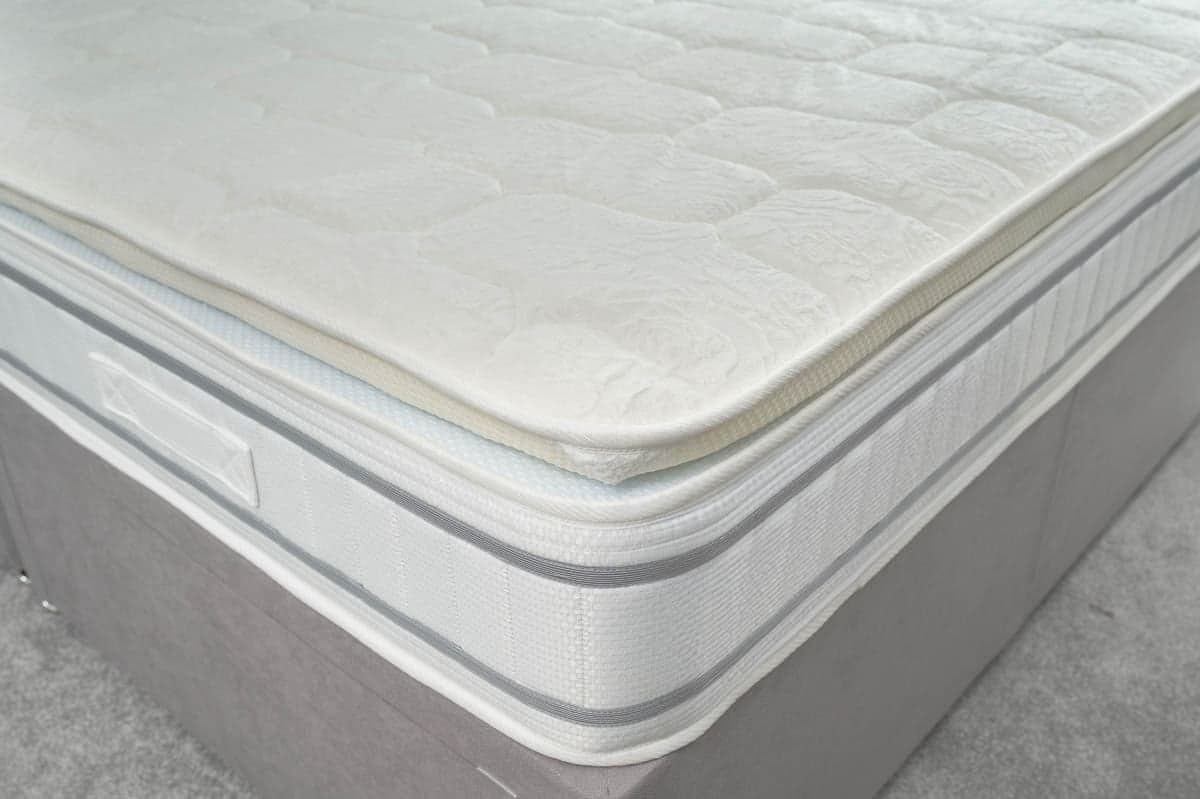
The Tempure Velure stitches a plush pillow-top over its memory-foam core, giving an immediate softness at the shoulder without sacrificing the deeper support layers. It's the pick if you find standard foam too "flat" but don't want the bounce of springs.
Best soft budget pick: Reverso Memory#
Genuinely soft mattresses under £350 are rare because cheap soft foam usually means unsupportive foam. The Reverso Memory gets away with it at £329 by keeping a dense core under its soft comfort layer. Best for lighter side sleepers (under about 11 stone) who sink less.
Best soft sprung option: Tencel 1000#
Prefer a traditional sprung feel? The Tencel 1000 pairs a soft comfort layer and breathable Tencel cover with 1,000 pocket springs, giving shoulder relief with much better airflow than foam, worth considering if you sleep warm as well as on your side.
Best under £200: Saffron Comfort Deep#
At £174, the Saffron Comfort Deep from The Foam People delivers a 23cm medium build whose deep comfort layer accommodates the shoulder surprisingly well for the price. For students, renters and guest rooms it's the value option for side sleeping.
The right firmness for side sleepers#
Most side sleepers do best on a soft to medium mattress:
- Under 10 stone (65kg): Soft to medium-soft. Lighter sleepers don't create as much pressure, so they need a softer surface to allow enough sinkage at the shoulder and hip. Consider the Reverso or Tencel 1000.
- 10–14 stone (65–90kg): Medium-soft to medium. The most common recommendation for average-weight side sleepers, the Nova Hybrid sits exactly here.
- Over 14 stone (90kg+): Medium to medium-firm. Heavier side sleepers compress the mattress more and need firmer support beneath the hip to prevent over-sinking; the Emma Original Pro is the better fit.
Best mattress types for side sleepers#
- Memory foam: Excellent for side sleepers. The contouring at the shoulder and hip is memory foam's greatest strength. Reduces pressure points very effectively.
- Hybrid: A great option for side sleepers who want pressure relief without the heat-trapping of all-foam. Look for hybrids with a plush comfort layer, like the Nova.
- Soft pocket sprung: Can work well for lighter side sleepers who prefer a more traditional feel.
- Firm mattresses: Generally unsuitable for side sleepers, too much resistance at the shoulder and hip.
Shoulder pain and side sleeping#
Many side sleepers experience shoulder pain, particularly those who sleep on the same side every night. A too-firm mattress compresses the shoulder joint and impedes circulation. If you sleep on the same shoulder consistently, consider a softer mattress and consciously alternating sides. A pillow between the arms can also reduce shoulder strain by preventing the top arm from pulling the shoulder forward.
Pillow selection for side sleepers#
Your pillow is as important as your mattress for side sleeping alignment. Side sleepers need a higher-loft pillow to fill the gap between the ear and the mattress, without it, the neck is angled downward and the cervical spine is strained. Look for a pillow with a loft of at least 12–15 cm for average shoulder width, or a specifically designed side-sleeper pillow with a contoured profile.
How to test a mattress for side sleeping during your trial#
Most UK brands give you 100–200 nights at home; use the first month deliberately rather than just hoping:
- Week 1–2, ignore your verdict: your body is recalibrating from the old mattress and everything feels wrong. Don't return anything yet.
- The spine check: have someone photograph you lying on your side. Your spine should form a straight, roughly horizontal line from neck to tailbone. Sagging hips mean too soft; a lifted shoulder and tilted-down head mean too firm (or a too-low pillow).
- The morning audit: track where any ache appears. Shoulder or arm numbness points to a too-firm surface; lower-back stiffness after side sleeping points to hip sag.
- The 30-night decision: if pressure points persist after a month of consistent side sleeping, exercise the return, that's what the trial is for.
Can a topper fix a too-firm mattress for side sleeping?#
Partially. A 5–7cm memory foam or latex topper adds the missing give at the shoulder and is a reasonable £80–£150 rescue for a mattress that's otherwise sound. What it cannot do is fix a sagging core or add zoned support, if your hips already sink out of line, a soft topper makes the alignment worse. Treat toppers as a bridge to the next mattress, not a substitute for one.
Couples where only one is a side sleeper#
A medium hybrid with zoned springs is the standard compromise: enough give at the shoulder for the side sleeper, enough pushback for a back or front sleeper. Motion isolation matters too, foam layers absorb a restless partner's movement far better than open coils. The Nova Hybrid and Emma NextGen Premium Plus both score well here.
Common mistakes side sleepers make#
- Buying "orthopaedic firm" for back pain: firm surfaces usually make side-sleeping pain worse; medium-firm is the evidence-backed ceiling for side sleepers with back pain.
- Judging softness in a showroom: two minutes on your back tells you nothing about eight hours on your shoulder, insist on a home trial.
- Keeping a worn low pillow: the mattress fixes hip and shoulder alignment; only the pillow fixes neck alignment.
- Ignoring depth: a heavier side sleeper on a 15–18cm budget foam will bottom out at the hip regardless of the label.
Frequently asked questions#
What firmness is best for side sleepers?#
Medium-soft to medium for most adults. Lighter people can go softer; over about 14 stone, choose medium to medium-firm so the hip doesn't sink too deep.
Is memory foam or a hybrid better for side sleeping?#
Both work well. Foam contours more closely and isolates motion; hybrids run cooler and feel more responsive. If you sleep warm, choose the hybrid.
Why do I wake with a numb arm or sore shoulder?#
Usually a too-firm surface compressing the shoulder and restricting circulation. A softer comfort layer, and alternating sides, typically resolves it within a few weeks.
Can side sleepers use a firm mattress?#
It's the worst pairing in mattress buying. If you must (for a partner's sake), add a deep soft topper, but a zoned medium hybrid is a better answer for both of you.
What's the best budget mattress for side sleepers?#
The Saffron Comfort Deep at £174. Below that price, comfort layers get too thin to protect the shoulder for nightly adult use.
Take our personalised quiz for a side-sleeper mattress recommendation based on your weight and preferences, or browse all soft-to-medium mattresses.
We may earn a commission if you buy through our links, at no extra cost to you. See our affiliate disclosure.