What causes restless sleep?#
Restless sleep, frequent movement through the night, can have many causes. Stress and anxiety cause heightened arousal that makes the brain more likely to trigger position changes. Pain and discomfort cause involuntary repositioning. Restless legs syndrome (RLS) causes irresistible urges to move the legs. Sleep apnoea causes partial arousal as the body fights to maintain the airway. And some people are simply biologically more active sleepers than others.
A mattress can't resolve all of these causes, but it can ensure that when repositioning is necessary, it's as smooth and non-disruptive as possible.
Responsiveness: the critical quality for restless sleepers#
Responsiveness, how quickly the mattress material rebounds and adjusts to a new body position, is the most important quality for restless sleepers. A high-response mattress allows you to move smoothly; a low-response mattress (particularly deep memory foam) creates a "stuck" sensation that makes repositioning feel laboured and can partially wake you.
- Highest responsiveness: Latex, coil springs
- Moderate responsiveness: Hybrid (foam + springs), fast-response open-cell foam
- Lowest responsiveness: Traditional viscoelastic memory foam
Motion isolation: important for partners#
Restless sleepers are often very aware of the impact their movement has on their partner. For this reason, motion isolation is also a priority, particularly if the partner is a light sleeper. The best combination is a mattress with moderate responsiveness (hybrid or latex) combined with good motion isolation (foam comfort layer). Traditional pocket springs allow movement but transfer more motion than foam-topped options.
Durability matters more for restless sleepers#
A restless sleeper stresses a mattress more than an average sleeper. Body impressions form faster; comfort layers compress more quickly; spring systems work harder. For this reason, high-density foam (50+ kg/m³) and quality spring systems are particularly important when buying for a restless sleeper. A budget mattress will show premature wear much more quickly.
The best mattress types for restless sleepers#
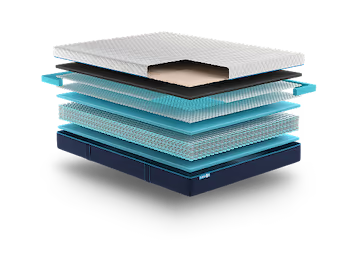
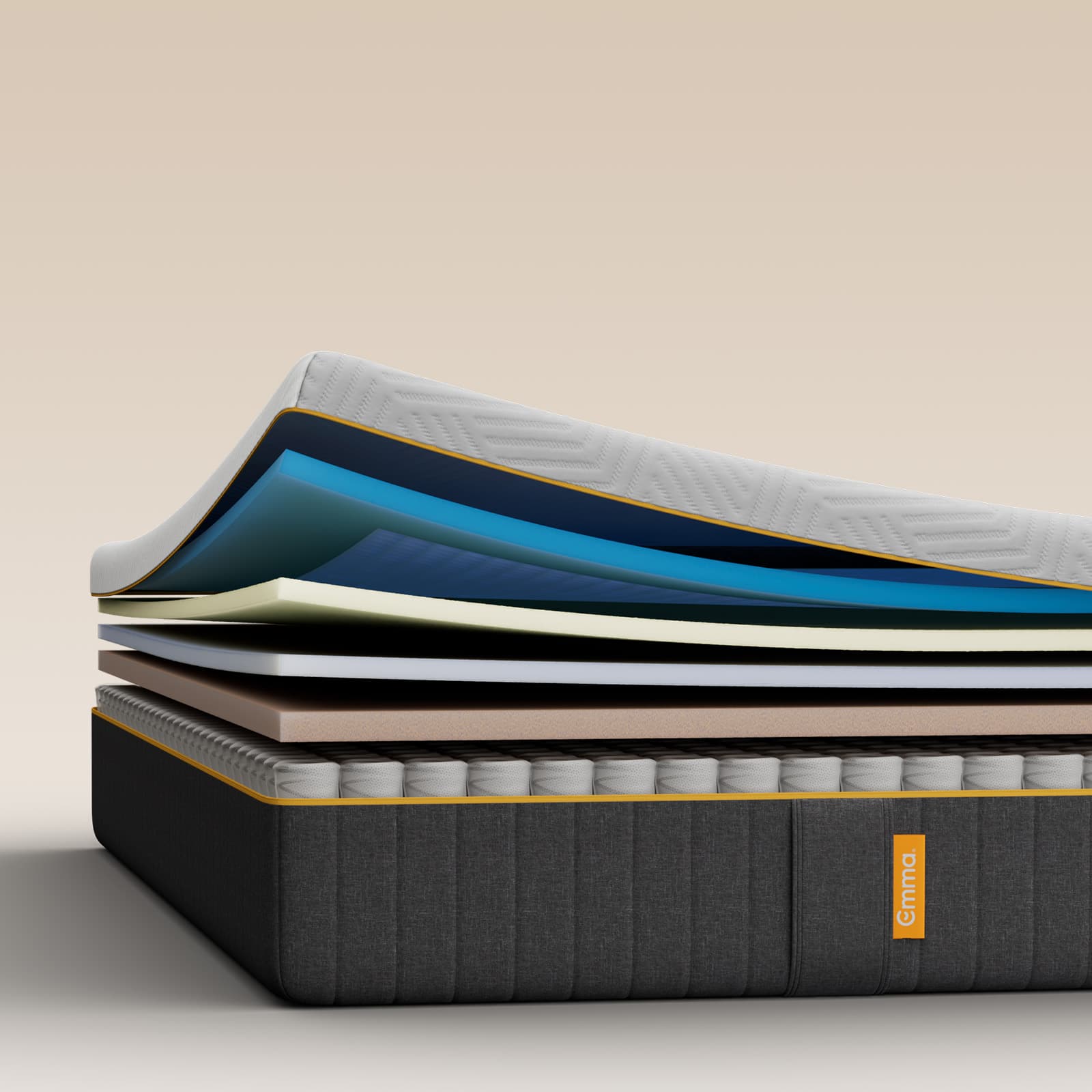
- Hybrid (top recommendation): Fast response from springs + foam comfort layers that reduce motion transfer to a partner. Durable.
- Natural latex: Excellent responsiveness, good durability, moderate motion isolation. More expensive but a strong long-term investment for active sleepers.
- Avoid traditional deep memory foam: The slow response makes position changes laboured and can cause heat retention from sustained contact with one area.
Our picks for restless sleepers#
Responsive and durable: a surface that moves with you and does not wear a channel where you toss. Latex and pocket springs are the materials; these are the builds.
| Model | Type | Depth | Feel | Support | Comfort | Price (double) | Why it is here |
|---|---|---|---|---|---|---|---|
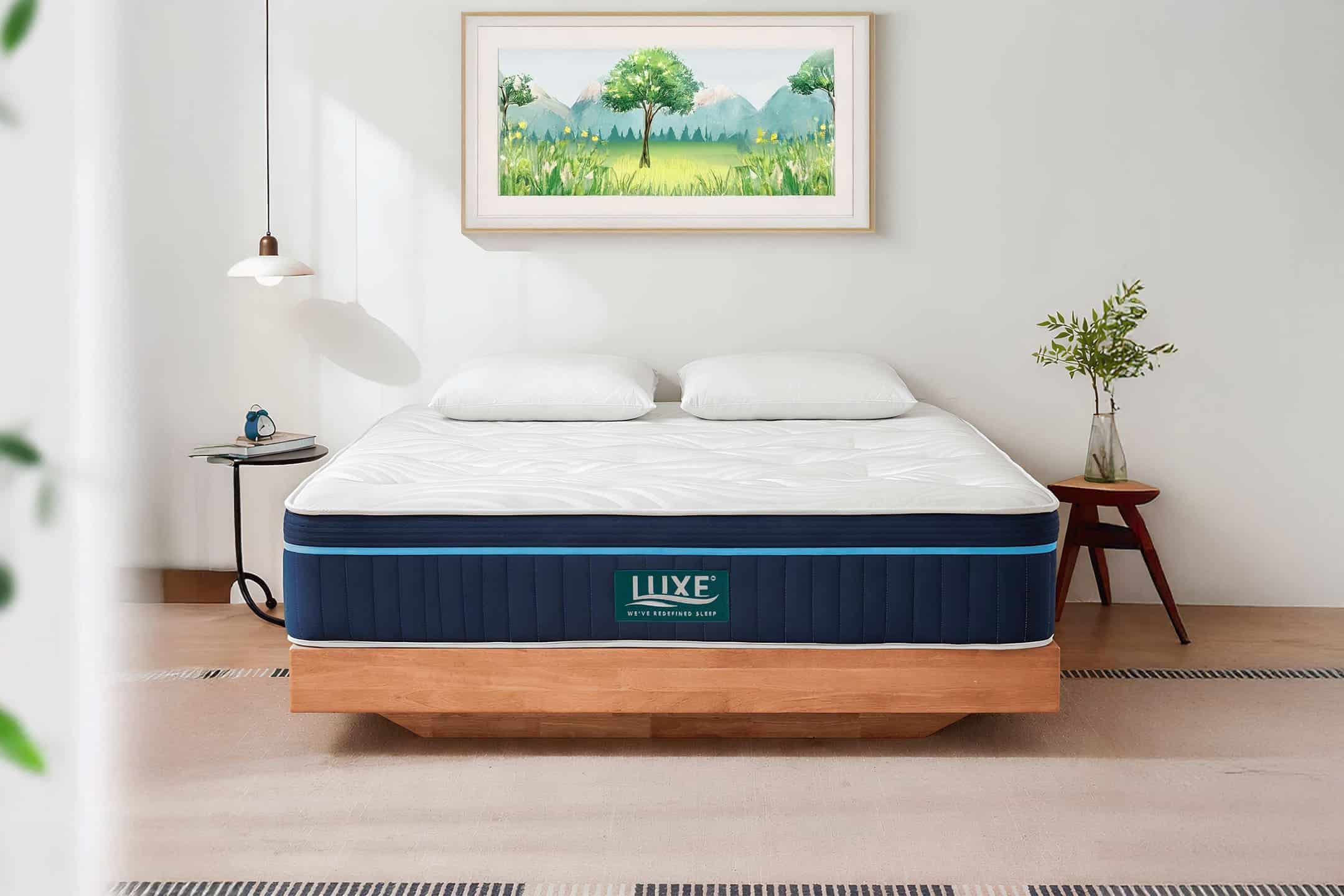
| LuxeOrganic Hybrid Latex | Latex hybrid | 30cm | Medium | 8.6 | 8.8 | £471 (sale) | Latex snaps back instantly; medium |
| Pocket Reflex 1000 | Pocket spring | 28cm | Medium | 8.2 | 8.0 | £399 | Springs and reflex foam; no memory foam lag |
| Luxe Velour Hybrid | Hybrid | 28cm | Medium | 8.2 | 8.4 | £399 | Medium hybrid, firm edges for a wide roll |
| LuxeErgo 3400 Hybrid | Hybrid | 31cm | Firm | 9.0 | 9.0 | £464 (sale) | Firm and deep; the most durable under constant movement |
Prices are for a double at the time of writing (September 2026), using the sale price where the brand runs a permanent one. Full scores are on each review page. We may earn a commission if you buy through our links, at no extra cost to you; it never affects a score.
If you share a bed, the partner's problem is your movement, and pocket springs isolate it far better than open coils. Our light sleeper guide is the one to read with them.
Frequently asked questions#
What mattress is best for someone who tosses and turns?#
A responsive one: latex or a pocket-spring hybrid. Both return to shape instantly so changing position takes no effort. Slow-recovery memory foam makes every movement laboured and is the type restless sleepers most often regret.
Does a firmer mattress reduce tossing and turning?#
Sometimes. A surface that is too soft requires constant repositioning to find support, and research links medium firmness to more stable sleep than soft. Too firm creates pressure points that also cause movement. Medium to medium-firm is the target.
Do restless sleepers wear out mattresses faster?#
Yes; constant movement works the comfort layers harder and across a wider area. Deep hybrids with high-density foams and quality springs hold up best. Rotate quarterly.
Why am I restless at night?#
Common physical causes are heat, pressure points, caffeine, alcohol and an irregular schedule; medical ones include restless legs syndrome and sleep apnoea. If a cool, comfortable bed and good sleep habits do not settle it, speak to your GP.
Related reading#
- Best mattress for combination sleepers – the same responsiveness brief
- Best mattress for light sleepers – for the partner you are disturbing
- Latex vs memory foam – why one is responsive and one is not
- Best mattress for insomnia – if restlessness becomes sleeplessness
- Hybrid collection – responsive sprung options