How pregnancy changes your sleep needs#
Pregnancy disrupts sleep in multiple ways that change across the three trimesters. In the first trimester, nausea, fatigue and frequent urination interrupt sleep. In the second, sleep typically improves, but the growing bump begins to limit comfortable positions. In the third trimester, back pain, heartburn, restless legs, frequent urination and the physical difficulty of turning over combine to make restful sleep a challenge.
The NHS and most sleep specialists recommend that pregnant women sleep on their left side, particularly from the second trimester onward. Sleeping on the left side promotes blood flow to the placenta and kidneys, reduces pressure on the inferior vena cava (the large vein that returns blood to the heart), and minimises swelling in the legs and feet.
What a pregnancy mattress needs to provide#
- Pressure relief at the hip: The growing bump forces side sleeping, creating sustained pressure at the hip and shoulder
- Lumbar support: The lumbar spine undergoes significant change in curvature as the centre of gravity shifts forward
- Temperature regulation: Many pregnant women experience increased body temperature, making sleeping hot a significant problem
- Good edge support: Getting in and out of bed becomes progressively more difficult in the third trimester, strong edges are essential
- Appropriate firmness without being hard: Firm enough to support the lower back, soft enough to relieve hip and shoulder pressure
Recommended firmness for pregnancy#
Medium to medium-firm is generally recommended throughout pregnancy. In the third trimester, as hip pressure becomes more significant with sustained left-side sleeping, some pregnant women find that going slightly softer (medium) provides better comfort, a mattress topper can be added if needed without buying a new mattress.
Best mattress types for pregnancy#
- Hybrid: The best overall choice for pregnancy. Good pressure relief from the foam comfort layer; adequate lumbar support from the spring base; better temperature regulation than all-foam.
- Medium-firm memory foam: Excellent for pressure relief at hip and shoulder, which intensifies in the third trimester. Be mindful of heat retention if you're sleeping hot.
- Natural latex: Responsive, breathable and supportive. A good choice for pregnant women who sleep hot.
Helpful sleep accessories during pregnancy#
- Pregnancy pillow: A U-shaped or C-shaped pregnancy pillow supports the bump, keeps the hips level and prevents rolling onto the back during the night. Many pregnant women find these transform their sleep quality in the third trimester.
- Wedge pillow: A smaller triangular wedge under the bump provides targeted support without the bulk of a full pregnancy pillow.
- Mattress topper: If your existing mattress is slightly too firm, a 5 cm memory foam topper can provide additional hip and shoulder cushioning for the duration of pregnancy.
Our picks for pregnancy#
Side sleeping is recommended from the third trimester, weight and joint laxity increase, and heat is common. The picks cushion the hip and shoulder, support a changing weight and sleep cool; all have a trial that outlasts the pregnancy.
| Model | Type | Depth | Feel | Support | Comfort | Price (double) | Why it is here |
|---|---|---|---|---|---|---|---|
| Emma Original | Foam | 25cm | Medium | 8.4 | 8.9 | £469 | Medium foam cradles hip and shoulder; 200 nights |
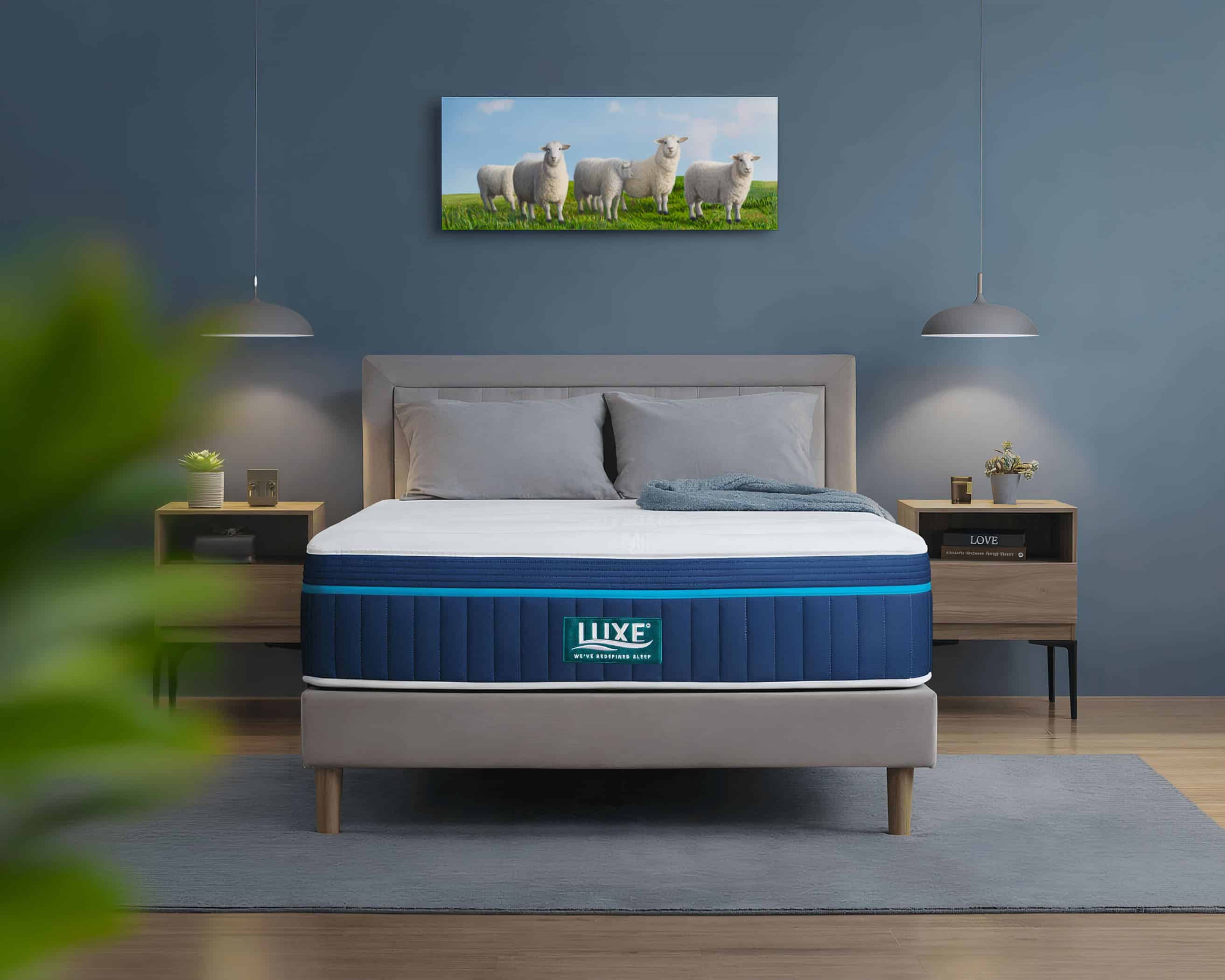
| Luxe Nova Hybrid | Hybrid | 30cm | Medium-soft | 7.0 | 10.0 | £449 (sale) | Deep cradle plus springs for airflow |
| Luxe Velour Hybrid | Hybrid | 28cm | Medium | 8.2 | 8.4 | £399 | Medium hybrid; cool, supportive, £399 |
| Emma Original Pro | Hybrid | 25cm | Medium-firm | 9.0 | 8.8 | £699 | Medium-firm if you or your partner are heavier |
Prices are for a double at the time of writing (September 2026), using the sale price where the brand runs a permanent one. Full scores are on each review page. We may earn a commission if you buy through our links, at no extra cost to you; it never affects a score.
If a new mattress is not in the plan, a 5cm topper on a firm mattress and a pregnancy pillow between the knees and under the bump solve most of the problem for the months it matters. Our side sleeper guide covers the position in depth.
Frequently asked questions#
What firmness is best for pregnancy?#
Medium. You will be side sleeping, so the hip and shoulder need to sink, but the growing weight needs support underneath. A medium hybrid or medium foam with a supportive core is the target; avoid soft.
Is memory foam safe during pregnancy?#
Yes. Off-gassing from new foam is a temporary smell rather than a hazard, and airing the mattress for a few days removes it. Choose a mattress with CertiPUR or OEKO-TEX certification if you want reassurance about the foams.
Which side should you sleep on when pregnant?#
The NHS advises sleeping on your side from 28 weeks; either side is fine. A pillow between the knees keeps the hips level and one under the bump takes strain off the lower back.
Should I buy a new mattress for pregnancy?#
Only if the current one is sagging, too firm for side sleeping or over eight years old. Otherwise a topper and a pregnancy pillow are cheaper and remove most of the discomfort. A new mattress is a ten-year decision; buy it for after the pregnancy too.
Related reading#
- Best mattress for side sleepers – the position pregnancy requires
- Best mattress for hip pain – the commonest pregnancy complaint in bed
- Best cooling mattress UK – if overheating is the problem
- Do mattress toppers work? – the cheaper temporary fix
- Mattress off-gassing – the smell of a new mattress explained