What warranties typically cover#
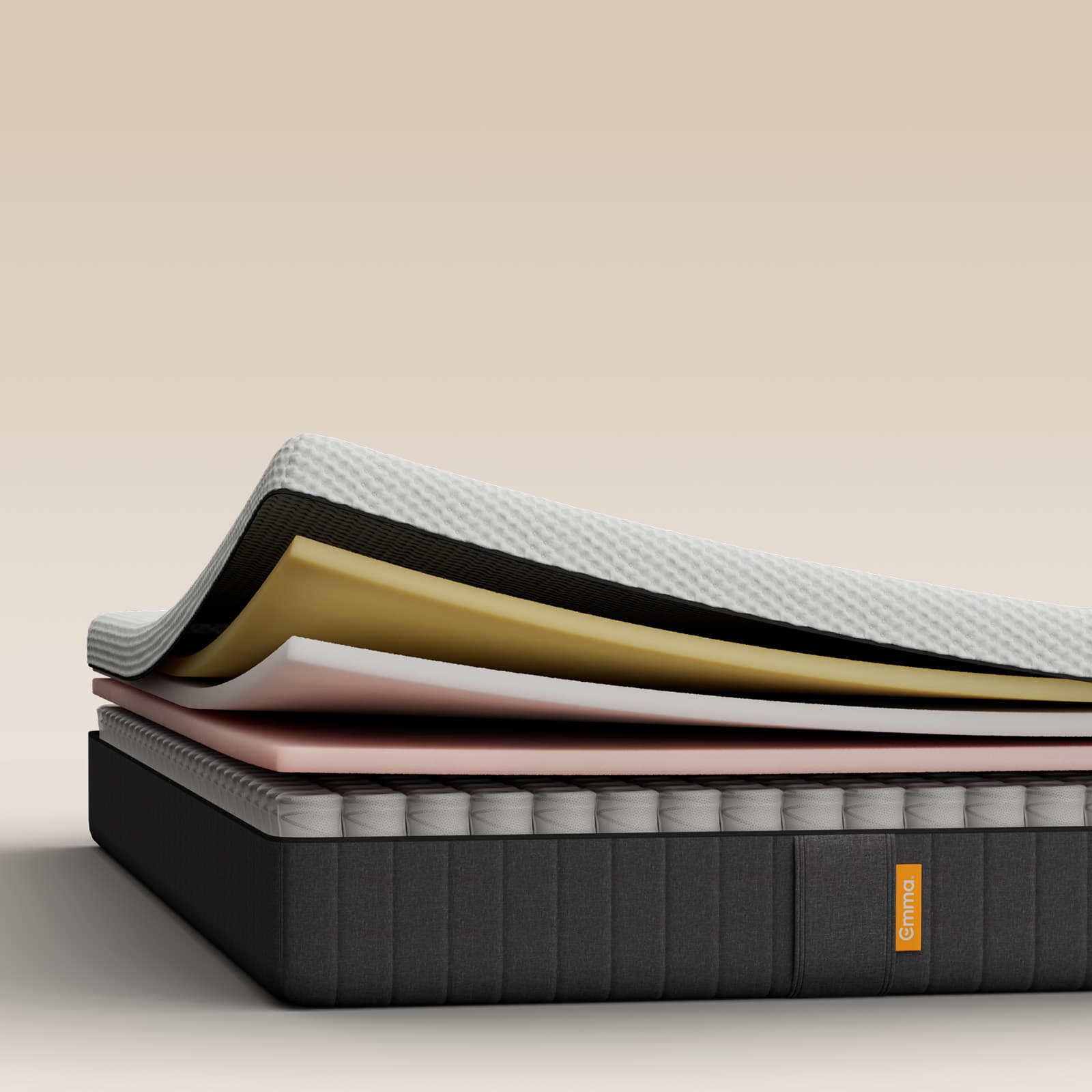
A standard UK 10-year mattress warranty covers manufacturing defects, things that are the manufacturer's fault, not normal use. This typically includes broken or protruding springs, foam layer separation, cover seam failure and structural defects present from manufacture.
Common warranty exclusions#
- Staining: The most common reason claims are rejected. Any stain, regardless of cause, typically voids the warranty or makes a claim inadmissible. A mattress protector from day one is the only reliable protection.
- Body impressions under 25–40 mm: Most brands define acceptable impression depth at 1–1.5 inches. Impressions shallower than this threshold are considered normal wear, not a defect.
- Improper base: Using an incompatible base (wrong slat spacing, non-rigid base for foam, damaged base) can void the warranty. Keep documentation of your base.
- Normal softening: All foam softens slightly over time. This is normal wear, not a defect.
- Second-hand ownership: Warranties are almost universally non-transferable to new owners.
How to protect your warranty#
- Use a mattress protector from night one and keep it on
- Register your mattress with the brand if registration is offered
- Keep your purchase receipt
- Use a compatible base per manufacturer specifications
- Rotate per the manufacturer's schedule
- Photograph any defects with a date stamp as they develop
Making a warranty claim#
Contact the brand's customer service with your receipt, a description and photos of the defect. Most brands assess claims via photographs first. Valid manufacturing defect claims typically result in replacement rather than refund. Response times vary, allow 2–4 weeks for a decision on most claims.